
CBD

by Nida Hammad
Last updated: December 3, 2025
Verified and Approved by:
Angela Morris,
MSW, LCSW
Fact Checked


- CBD is non-psychoactive, and it provides medical benefits while maintaining complete mental clarity for work and daily activities.
- Medical dispensary CBD is far superior to retail products, dispensaries offer lab-tested, pharmaceutical-grade CBD with verified potency and purity.
- Start with 5-10mg daily and increase slowly, gradual titration helps you find your minimum effective dose without wasting money or experiencing side effects.
- Pure CBD isolate won’t cause failed drug tests, only full-spectrum products with trace THC can trigger positive results with heavy use.
- CBD is extremely safe with no overdose risk, the main concern is drug interactions with medications like warfarin, not CBD toxicity itself.
CBD : Effects, Benefits & Medical Uses
CBD, or cannabidiol, is a compound in cannabis plants. It has health benefits. CBD works mainly with CB2 receptors in your body’s endocannabinoid system.
It can help lower anxiety, seizures, inflammation, and pain. Unlike THC, CBD does not make you high. You can get relief while staying clear-headed and able to do daily activities.
For medical marijuana patients, knowing about CBD is important. It is one of the most studied cannabinoids for therapy. Research shows CBD may help with chronic pain, anxiety, epilepsy, and inflammation.
With a medical marijuana card, dispensaries sell high-quality CBD products. These products are tested in labs to make sure they are safe and accurate.
Doctors and trained staff at dispensaries can help you use CBD in the best way for your condition. Medical-grade CBD is stronger and more reliable than regular hemp products.
Using CBD with medical guidance helps you get the best results. This makes having a medical marijuana card useful for patients who want steady and effective CBD treatment.
What is CBD Definition?
CBD Meaning
CBD, or cannabidiol, is one of over 100 cannabinoids made by Cannabis sativa plants. It is the second most common cannabinoid after THC. Plants make CBD, not the human body.
CBD has a special structure that helps it work with the body’s endocannabinoid system. It works differently from THC because THC makes you high.
At the molecular level, CBD has 21 carbon atoms. It does not bind strongly to CB1 or CB2 receptors like THC. Instead, it changes the shape of CB1 receptors. This reduces how well THC and other compounds can attach. This is why CBD can lessen THC’s mind-altering effects when taken together.
CBD also works in other ways. It interacts with serotonin receptors to reduce anxiety. It affects vanilloid receptors to manage pain and inflammation. It also influences adenosine receptors that control sleep and heart function. These multiple actions make CBD useful for many medical conditions.
The plant makes CBD from cannabigerolic acid (CBGA), the “mother cannabinoid” that helps create other cannabinoids. Hemp plants have less than 0.3% THC and usually more CBD than THC. Marijuana plants made for recreation have more THC.
Medical growers have created special strains with 10% to over 20% CBD.
How CBD is extracted changes its quality. The best method uses supercritical CO2. It keeps minor cannabinoids, terpenes, and flavonoids, and removes harmful residues. Ethanol extraction is another good method for high-quality CBD.
Other methods using butane or propane can leave unsafe chemicals and lower product safety.
Key Characteristics of CBD:
- Non-intoxicating profile: CBD does not create any psychoactive “high” effects. This lets patients use it during the day without affecting their work, driving, or thinking skills
- Multi-receptor interaction: Unlike single-target pharmaceuticals, cannabidiol influences multiple biological systems. This includes the endocannabinoid system, serotonergic system, and immune system
- Diverse product formats: Available as sublingual tinctures, capsules, edibles, topical creams, transdermal patches and vaporizer oils.
- Biphasic dose response: cannabidiol can have different effects at low and high doses. Lower doses may be more stimulating, while higher doses can be more sedating
- Excellent safety profile: Research demonstrates cannabidiol tolerability at doses up to 1,500mg daily with minimal adverse effects compared to conventional pharmaceuticals
Understanding these fundamental characteristics helps medical marijuana patients make informed decisions about incorporating cannabidiol into their treatment protocols. The compound is versatile, safe, and non-intoxicating.
This makes it a great choice for patients new to cannabis medicine. cbd is also good for those who need relief from symptoms without affecting their thinking.
How CBD Relates to Medical Marijuana
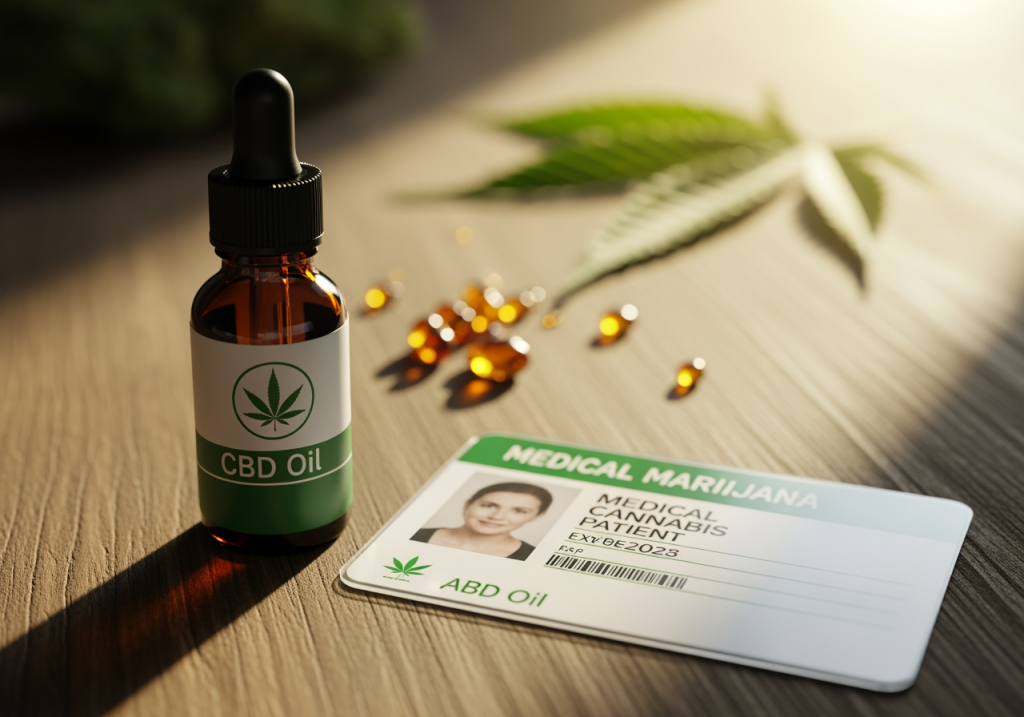
Medical marijuana patients can get CBD in almost every dispensary product. It is one of the two most important cannabinoids for health, along with THC. Knowing how CBD works in medical cannabis helps patients pick products that fit their symptoms and lifestyle.
While THC is famous for causing a “high,” many doctors say CBD is just as important. CBD has many medical uses and does not make you feel intoxicated.
CBD’s role in medical marijuana goes beyond just being present in the plant. It changes how patients experience cannabis. CBD affects THC’s effects and also gives its own health benefits.
It also lets patients use specific ratios of cannabinoids to meet their medical needs. Cannabinoids are important in medical cannabis. Many patients now choose high-CBD or CBD-focused products instead of only high-THC marijuana.
One of CBD’s most important medical benefits is that it can reduce some negative effects of THC. When used together, CBD helps lower anxiety, paranoia, and thinking problems caused by THC. This has led to the creation of balanced products.
These products give patients the benefits of THC without strong psychoactive effects. This happens because CBD changes how THC connects to CB1 receptors. It makes THC’s mind-altering effects milder but keeps its health benefits.
Medical Applications:
CBD is particularly important for medical cannabis because of these evidence-based therapeutic mechanisms:
1. Anxiety and Stress Reduction: CBD demonstrates remarkable efficacy for anxiety disorders through multiple pathways. Research published in The Lancet Neurology found that CBD significantly reduced anxiety in patients with social anxiety disorder during simulated public speaking tests.
The compound activates 5-HT1A serotonin receptors, producing anxiolytic effects similar to selective serotonin reuptake inhibitors (SSRIs) but with faster onset and fewer side effects.
A new study showed that CBD can reduce stress-related changes in animals. This suggests it may help treat panic disorders, generalized anxiety disorder, and acute stress reactions. For patients who feel anxious from THC, cannabidiol provides a safe option. It helps reduce worry and promotes calm without making you sleepy or impaired.
2. Drug-Resistant Seizure Control: Perhaps CBD’s most definitive medical application comes from epilepsy treatment research. The landmark clinical trial evaluated cannabidiol for drug-resistant seizures in Dravet syndrome, a severe childhood epilepsy disorder that typically resists conventional anticonvulsant medications.
Results showed that cannabidiol reduced the number of convulsive seizures by 38.9%. In the placebo group, the reduction was only 13.3%.
This improvement was significant and led to the FDA approving Epidiolex. Epidiolex is the first medicine made from cannabis. This approval in 2018 was a key moment for medical cannabis. It showed clear clinical evidence of CBD’s healing benefits.
The mechanism involves CBcannabidiolD interacting with several targets. These include TRPV1 receptors, GPR55 receptors, and equilibrative nucleoside transporter. These help lower neuronal excitability and seizure threshold.
3. Anti-Inflammatory and Pain Management: CBD has strong anti-inflammatory effects. It works through different biological pathways. This makes it useful for conditions with chronic inflammation.
According to the detailed review, cannabidiol lowers the production of inflammatory cytokines. It also stops the release of inflammatory mediators. Additionally, it blocks the activation of inflammatory pathways like NF-κB and MAPK signaling.
These anti-inflammatory properties translate to clinical benefits for arthritis, inflammatory bowel disease, and autoimmune conditions. For pain management, CBD offers relief without the addiction potential of opioids or the gastrointestinal risks of NSAIDs.
Patients with neuropathic pain often do not respond well to regular painkillers. They can benefit from CBD.
CBD helps by changing how pain signals work. It interacts with TRPV1 receptors and inhibits adenosine uptake.
4. Neuroprotection and Neurodegeneration: Emerging research suggests CBD may slow or prevent neurodegenerative diseases through its antioxidant and neuroprotective properties. Cannabidiol acts as a neuroprotective antioxidant, protecting neurons from glutamate toxicity and oxidative stress more effectively than common antioxidants like vitamins C and E.
For Alzheimer’s disease specifically, research found that cannabinoids, including CBD reduce amyloid-beta plaque formation, decrease neuroinflammation, and may slow cognitive decline.
While there are few human clinical trials, preclinical evidence strongly supports CBD. It may help treat Parkinson’s disease, Huntington’s disease, multiple sclerosis, and other conditions that involve nerve cell damage.
5. Substance Use Disorder Treatment: CBD may help treat addiction and substance use disorders. This is one of its most promising medical uses, but people often overlook it. A review looked at cannabidiol for treating substance use disorder.
It found that CBD helps reduce drug cravings, anxiety, and stress. These are three major triggers for relapse in recovering addicts.
CBD shows particular promise for opioid addiction, helping patients manage withdrawal symptoms and reducing relapse rates during recovery. The compound can reduce anxiety without causing euphoria or addiction. This makes it a great therapy for people recovering from alcohol, opioids, cocaine, and other substance dependence.
Clinical Perspective:
Medical cannabis doctors consider CBD very important when making treatment plans for patients who need benefits without feeling high or impaired. Doctors often suggest CBD for people who need medicine during the day, like workers.
Experts also recommend it for parents with children. This makes it suitable for older patients who are sensitive to intoxication. It also helps people whose anxiety gets worse from THC.
CBD has fewer side effects than many regular medications. This makes it a good first choice for treatment or a helpful addition to standard medical care.
For patients with qualifying conditions, doctors often prescribe specific CBD-to-THC ratios based on symptoms. A 20:1 CBD to THC ratio gives strong anti-inflammatory and anti-anxiety benefits. It has almost no psychoactive effects, so it is good for daytime use and for patients new to cannabis.
Balanced ratios like 1:1 CBD to THC use the “entourage effect.” In this effect, cannabinoids boost each other’s healing properties. CBD also reduces THC’s mind-altering effects.
Lower CBD ratios (1:20 CBD to THC) provide strong pain relief and help increase appetite from THC. The small amount of CBD helps prevent anxiety and paranoia.
Doctors also consider how CBD interacts with other drugs. CBD can block liver enzymes called cytochrome P450, which process about 60% of prescription medications.
This can increase the levels of certain drugs in the blood, including warfarin, clobazam, and some chemotherapy medicines. Doctors adjust doses as needed to make sure CBD therapy is safe with other medications. A qualified medical cannabis physician carefully checks these interactions during treatment planning.
CBD Medical Marijuana Card
Is CBD Legal?
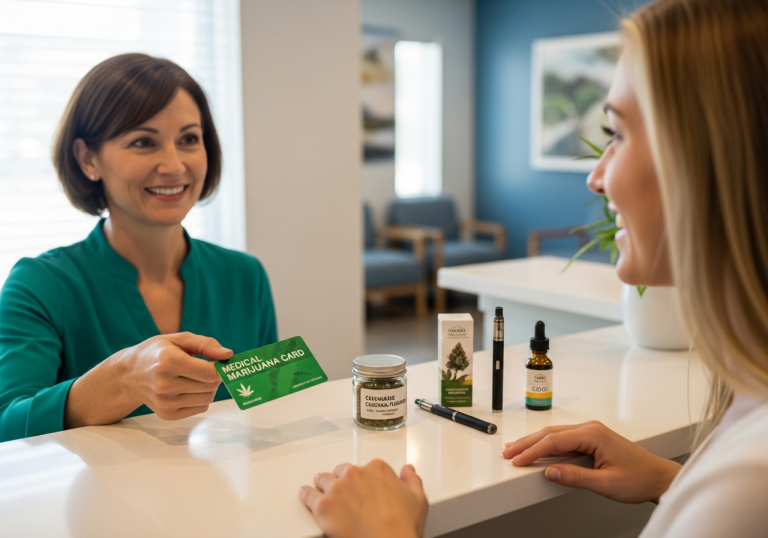
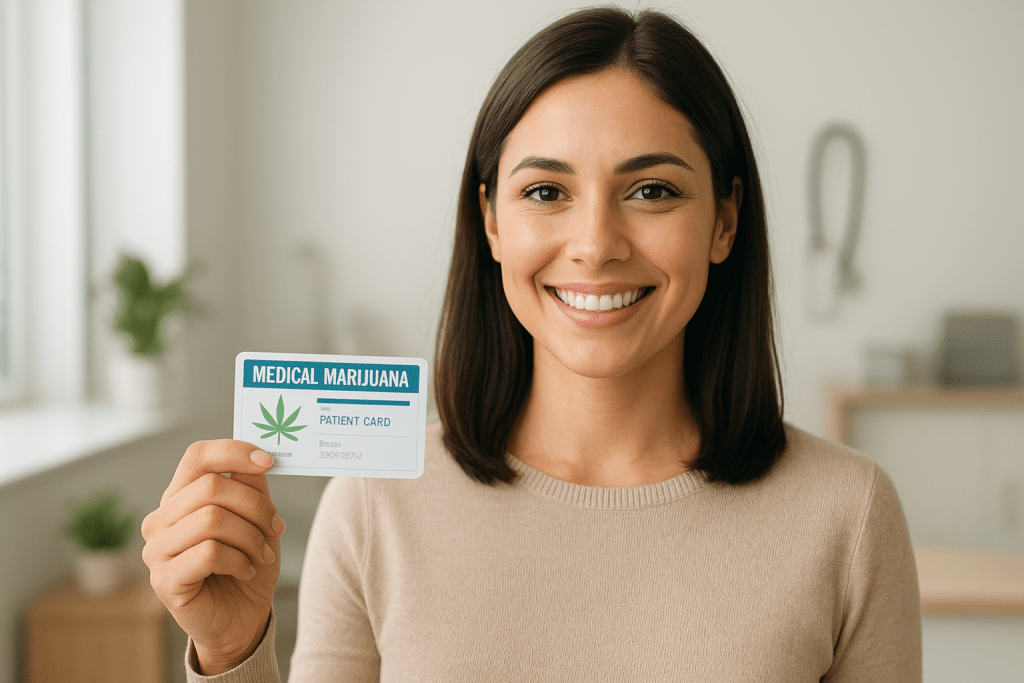
Once you get your medical marijuana card, you can legally access high-quality CBD products. These products are much better than the hemp-derived CBD supplements found in health food stores, gas stations, and online shops.
Medical cannabis dispensaries follow strict state rules. These rules require thorough testing for potency, purity, pesticides, heavy metals, and microbial contaminants. They also check for residual solvents. Stores often sell CBD products without requiring these quality checks.
The difference between medical dispensary CBD and retail hemp CBD goes beyond quality. It also includes potency options that non-medical users cannot access. Medical marijuana programs in most states allow CBD products with significantly higher concentrations than the hemp-derived alternatives restricted by federal regulations.
Retail hemp products usually have 10-25mg of CBD per serving. In contrast, medical dispensaries provide tinctures with 50-100mg per dose. They also offer capsules with 25-50mg and topicals with 500-1000mg of total cannabinoids. This pharmaceutical-grade potency enables effective treatment of serious medical conditions that require higher therapeutic doses.
Medical marijuana cardholders can get expert advice from dispensary pharmacists and doctors. These professionals know about CBD’s uses, correct dosing, and possible drug interactions. These healthcare professionals look at your medical history, current medications, and symptoms.
They recommend specific CBD products, ratios, and ways to use them that are best for your condition. This level of medical supervision ensures safe and effective treatment. It greatly improves results compared to self-medicating with unregulated products.
What You Can Access:
With your medical marijuana card, you can:
- Buy strong medical CBD: Products have 10% to over 25% CBD. Choose from flower, tinctures (500–3000 mg), or topicals (over 1000 mg). These give stronger doses than regular hemp products.
- Get help with dosing: Medical staff can tell you how much to start with and when to increase. They also guide you on the best ways to use cannabis for your health.
- Try different types: You can use fast-acting tinctures, slow-release capsules, patches for all-day relief, suppositories for best absorption, or creams for pain and inflammation.
- Check lab tests: Lab results show exactly how much CBD and other cannabinoids are in the product. They also show that there are no harmful chemicals.
- Pay lower taxes: Medical patients often pay less tax than recreational buyers, saving 20–37% on costs.
- Keep more medicine: Medical patients can buy and keep more cannabis for daily use, so you don’t have to visit the dispensary often.
- Get first access: Medical patients can try new products and special medical formulations before others.
- Have doctor supervision: Doctors check your progress, adjust doses, and make sure your treatment is safe and works well.
Getting a medical marijuana card saves money in more ways than just taxes. Some states let insurance help cover medical cannabis. There are also programs that give discounted products to low-income patients.
Buying in larger amounts can lower the cost per dose for patients who use CBD every day. These savings can often make up for the cost of the medical card in just a few months.
Getting your medical marijuana card is fast and easy with Leafy DOC. Licensed doctors can check your condition and give a CBD recommendation in minutes. You can do it all online from home.
The telemedicine evaluation takes about 10–15 minutes. Doctors look at your medical history, symptoms, and past treatments. They also see if CBD is a good option for you.
You don’t need prior experience with medical cannabis, an existing doctor, or to visit an office in person. You fill out a short online form about your medical condition and then schedule a video or phone call with a licensed doctor. You talk about your symptoms and treatment goals.
After approval, you get your medical marijuana recommendation right away. Most patients finish the entire process, from application to approval, on the same day.
Once approved, your digital recommendation gives you legal protection. You can possess and use CBD products while waiting for your physical card in the mail. You can visit licensed dispensaries the same day you get approval.
This means you can start your CBD treatment immediately. In states with fast digital card programs, you can even download a state-approved medical marijuana card to your phone within minutes after the doctor approves it.
How to Get Your Medical CBD Card
Getting your medical CBD card is simple and doesn’t have to be confusing. With a few easy steps, you can apply and start using CBD safely and legally. Here’s a complete guide.
Requirements
Before applying, make sure you meet these basic requirements:
- Be 18 years or older (age may vary by state)
- Show proof that you live in your state
- Have a government-issued ID
- Have a qualifying medical condition (as required by your state)
Steps to Apply
Follow these simple steps to get your medical CBD card:
- Get a Doctor’s Evaluation
A licensed doctor will check if you qualify for a medical CBD card. With Leafy DOC, same-day evaluations are available, so you can get started quickly. - Submit Your Application
After your evaluation, submit your application to your state’s medical marijuana program. - Get Approved
The state will review your application. Once approved, you will officially have your medical CBD card. - Access CBD Products
With your card, you can visit licensed dispensaries and safely purchase medical CBD products.
Timeline
- Doctor’s evaluation: Same day with Leafy DOC
- State processing: Usually 5–14 business days
- Total time: As fast as 24 hours
Cost
The cost varies from state to state.
Start Your CBD Journey Today
Getting your medical CBD card is fast and easy with Leafy DOC. Licensed doctors in all all states are ready to help, and same-day approval is available.
CBD Effects & Benefits
CBD produces therapeutic effects through multiple biological mechanisms, creating a complex pharmacological profile that benefits diverse medical conditions. Unlike single-target pharmaceutical drugs, CBD simultaneously influences the endocannabinoid system, serotonergic neurotransmission, inflammatory pathways, and oxidative stress responses.
CBD works on many systems in the body, which is why it helps with brain, mental health, inflammation, and pain problems.
Using CBD feels very different from THC or most prescription drugs. Patients usually don’t “feel” CBD the way they feel THC’s high or opioids’ sleepiness. Instead, CBD works quietly. Patients notice the benefits because their symptoms get better, not because they feel a drug effect.
Anxiety slowly goes away without making you sleepy. Pain decreases without causing a high. Inflammation improves without the stomach problems common with NSAIDs. This gentle effect makes CBD good for people who need medicine that fits with daily life, like work, childcare, driving, and other activities that need full focus.
Physical cbd Effects:
The following are the physical effects of CBD:

- Strong anti-inflammatory effects: CBD lowers inflammation by reducing inflammatory chemicals like TNF-α, IL-6, and IL-1β. This helps with arthritis, inflammatory bowel disease, autoimmune conditions, and other inflammation-related problems. Unlike corticosteroids that weaken the whole immune system, CBD targets inflammation while keeping normal immune function.
- Pain relief without addiction: CBD reduces pain in several ways. It activates CB2 receptors in tissues, calms TRPV1 receptors, and affects adenosine signaling.
People with chronic pain often feel real improvement, with less pain and better daily function. They may also need fewer opioids. CBD works especially well for neuropathic pain, which often doesn’t respond to regular pain medications. - Muscle relaxation and antispasmodic effects: CBD helps relax muscles and reduce spasms in conditions like multiple sclerosis, cerebral palsy, and spinal cord injury.
It works without causing sedation or mental dulling like some muscle relaxants. Athletes or anyone with tight muscles can also benefit from CBD for recovery and pain relief. - Improved sleep: CBD is not directly sedating at moderate doses, but it helps you sleep better by reducing anxiety, pain, and other problems that interfere with rest. Research shows CBD can help people fall asleep faster and sleep longer. Higher doses (50–160 mg) are especially helpful for sleep compared to lower daytime doses.
- Brain protection and antioxidants: CBD protects brain cells from damage caused by oxidation, excess glutamate, and inflammation. This may help with traumatic brain injury, stroke, and neurodegenerative diseases like Alzheimer’s, Parkinson’s, and Huntington’s. CBD may also slow cognitive decline in dementia by reducing harmful proteins in the brain.
- Heart and blood vessel benefits: Studies show CBD can lower blood pressure, protect the heart from certain injuries, and improve blood vessel health.
These effects may reduce the risk of heart attack, stroke, and other heart problems. Its anti-inflammatory and antioxidant effects help protect the cardiovascular system.
Mental and Emotional cbd Effects:
The following are the mental effects of CBD:
- Profound anxiety reduction: CBD demonstrates anxiolytic effects comparable to prescription anti-anxiety medications but with faster onset and fewer side effects. The research documented significant anxiety reduction in social anxiety disorder patients, with effects mediated through 5-HT1A serotonin receptor activation.
- Feel calmer and more balanced: Patients say CBD helps them feel calmer, less worried, and more emotionally steady. It does this without the emotional numbness some antidepressants (SSRIs) can cause or the sleepiness common with benzodiazepines.
- Reduces stress: Studies show CBD lowers both behavior and brain responses to stress. It may help with stress-related problems like adjustment disorders and sudden stress reactions.
- Lowers stress hormones: CBD can reduce cortisol (the stress hormone) and stop stress from causing inflammation in the body. This makes it helpful for people in high-pressure or stressful situations.
- Stabilizes mood gently: CBD balances mood without making you feel high like THC. Unlike antidepressants, it works faster. Patients often say it makes them feel “more like themselves.”
- Helps specific conditions: CBD can reduce mood swings in bipolar disorder, lower irritability in autism, and improve emotional control in borderline personality disorder. It does this safely, without addiction or withdrawal.
- Keeps your mind clear: CBD supports thinking and focus. Unlike THC, it does not harm short-term memory or attention. It may even help people with anxiety focus better by reducing anxious distractions. Students, workers, and parents can use CBD during the day without affecting their tasks.
- Reduces psychotic symptoms: Research suggests CBD may lower hallucinations, delusions, and disorganized thinking in schizophrenia and other psychotic disorders. It is not a replacement for regular antipsychotic medications but can be used alongside them. It may cause fewer side effects than standard antipsychotics.
- How it works: CBD helps by adjusting dopamine signaling in the brain and reducing inflammation in areas affected by psychotic disorders.
Duration and Onset:
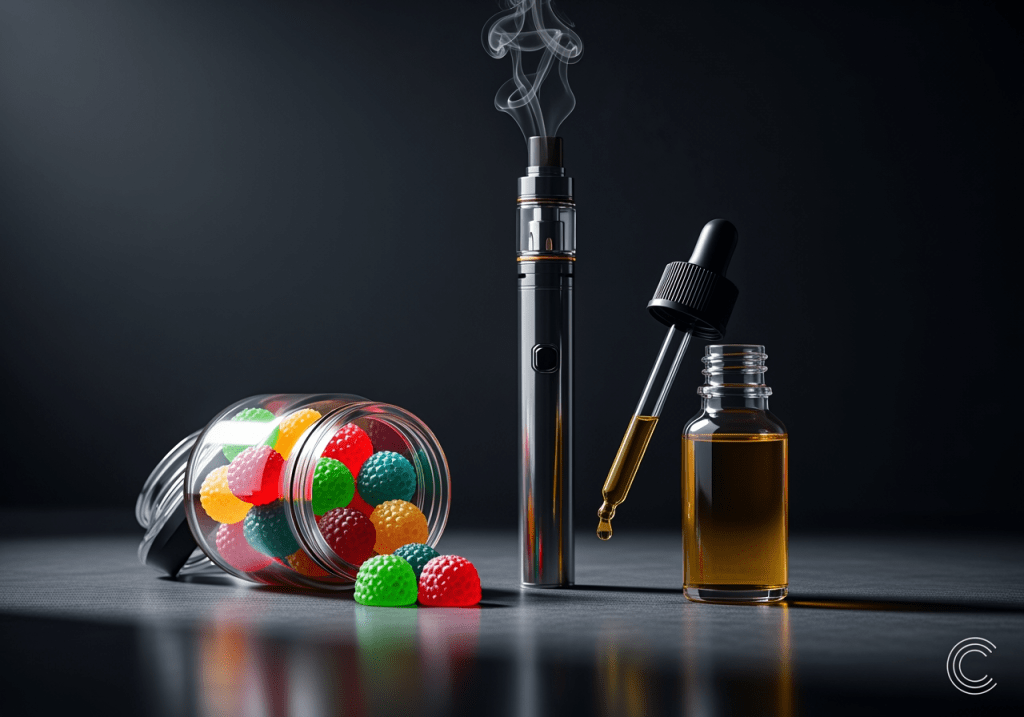
Effects timing varies significantly based on administration method, dose, and individual patient factors including metabolism, body composition, and whether CBD is consumed with food:
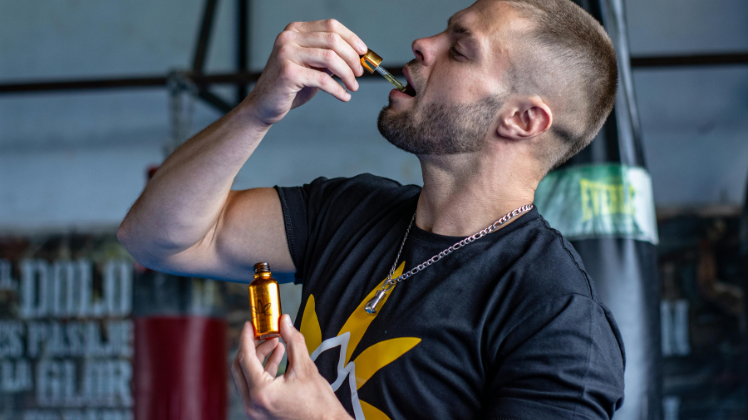
- Sublingual tinctures: Put CBD oil under your tongue. It goes straight into your blood, skipping the liver. You feel effects in 15–45 minutes, peaking in 1–2 hours, and lasting 4–6 hours. This is great for sudden symptoms like anxiety, pain, or nausea.
- Oral capsules and edibles: Swallowing CBD sends it through your digestive system and liver, which changes some of it into stronger forms. Effects start in 30–90 minutes but last 6–8 hours or more. This is good for all-day relief, sleep problems, or ongoing treatment.
- Vaporized CBD: Inhaling CBD sends it straight to your blood through your lungs. It works very fast, 5–15 minutes, with peak effects in 30 minutes and lasting 2–3 hours. This is useful for sudden symptoms like anxiety, panic attacks, seizure auras, or pain, but you may need to use it more often.
- Topical CBD: Creams, balms, and patches go on the skin and work locally. They don’t go much into the blood. They start working in 20–40 minutes for muscle pain, arthritis, or inflammation, lasting 2–4 hours. Transdermal patches release CBD slowly for 8–12 hours for steady relief.
- Rectal suppositories: CBD suppositories give the highest absorption, up to 80%, while oral CBD only gives 6–15%. Effects start in 15–30 minutes and last 4–6 hours. They are helpful for patients with nausea, vomiting, or stomach problems that make oral medicine hard to take.
CBD BenefitS – Medical Conditions That BENEFIT FROM CBD
Clinical evidence and patient reports document CBD efficacy for numerous medical conditions:
- CBD for Anxiety Disorders: CBD can help with general anxiety, social anxiety, panic disorder, and anxiety linked to PTSD.
- CBD for Epilepsy and Seizures: Conditions like Dravet syndrome, Lennox-Gastaut syndrome, and other types of epilepsy respond well to pharmaceutical-grade CBD. Epidiolex, an FDA-approved medicine, confirms this.
- CBD for Chronic Pain: People with fibromyalgia, neuropathic pain, and other long-lasting pain conditions can benefit from CBD. Its anti-inflammatory properties help reduce pain.
- CBD for PTSD: CBD may ease PTSD symptoms like nightmares, intrusive thoughts, hypervigilance, and anxiety. It works best alongside trauma-focused therapy.
- CBD for Arthritis: CBD can lower joint pain, stiffness, and inflammation in osteoarthritis and rheumatoid arthritis. Both creams and oral forms help.
- CBD for Multiple Sclerosis: CBD can help with muscle spasms, pain, and bladder issues in MS patients. Some patients may reduce their use of other medications.
- CBD for Alzheimer’s and Dementia: Early studies show that CBD might slow memory loss. It may also reduce brain inflammation. This could help improve the quality of life for dementia patients.
- CBD for Inflammatory Bowel Disease: Patients with Crohn’s disease or ulcerative colitis may experience less abdominal pain, diarrhea, and inflammation with CBD therapy.
- CBD for Substance Use Disorders: CBD may help with opioid, alcohol, and stimulant addictions. It can reduce cravings, anxiety, and the chance of relapse.
- CBD for Cancer-Related Symptoms: CBD does not cure cancer. However, it can help with nausea, pain, appetite loss, and anxiety from chemotherapy.
- CBD for Sleep issues: CBD may improve sleep if pain, anxiety, or circadian rhythm issues disturb rest. Higher doses (50–160 mg) may work best.
- CBD for Autism Spectrum Disorders: Clinical trials show CBD can reduce irritability, hyperactivity, behavioral issues, and sleep problems in people with autism.
This extensive list of responsive conditions reflects CBD’s multi-target pharmacology and broad therapeutic potential across neurological, psychiatric, inflammatory, and pain-related disorders.
How to Use CBD Safely
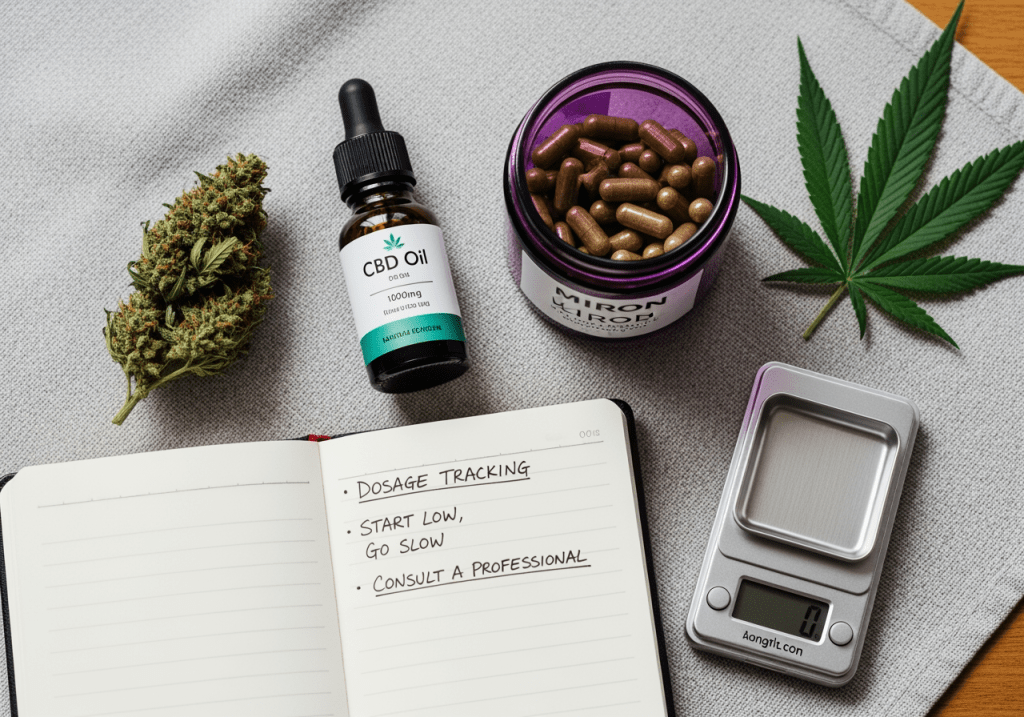
Using CBD correctly ensures you receive maximum therapeutic benefits while minimizing potential side effects and drug interactions. CBD is very safe and has no known risk of fatal overdose. Following dosing guidelines and best practices helps improve treatment results. It also prevents common mistakes that can lower its effectiveness.
Comprehensive CBD DOSAGE Guidelines:
CBD dosing remains more art than science due to individual variability in metabolism, endocannabinoid system function, and condition severity. However, clinical experience and research provide helpful starting parameters:
- For beginners: Start with 5–10 mg once or twice a day. This lets you see how your body reacts and spot any side effects before using higher doses. Take this dose for 3–5 days before changing it.
- Moderate doses: Many medical conditions respond to 10–25 mg, 1–3 times a day (20–75 mg total per day). This helps with anxiety, pain, inflammation, and sleep problems without causing drowsiness or stomach issues.
- High doses: Some serious conditions need large amounts of CBD. These include drug-resistant epilepsy, severe chronic pain, and advanced inflammation. Patients may need 50–150 mg or more each day.
Doctors can give Epidiolex (FDA-approved CBD for epilepsy) up to 20 mg per kilogram of body weight per day. For adults, this could be over 1,000 mg. Doctors should supervise these high doses to watch for side effects or drug interactions. - Tolerance: CBD does not cause strong tolerance like THC. Most people keep the same dose for a long time without needing more. Some may even reduce their dose as symptoms improve with ongoing treatment.
- Body weight matters: Heavier people usually need more CBD to get the same effect as lighter people. A rough guide is 1–6 mg of CBD per 10 pounds of body weight. For example, a 150-pound person may need 15–90 mg per day, depending on the condition. Individual metabolism affects this, so it’s just a guideline.
- Dosing by condition: Optimal doses depend on the problem.
1. Anxiety: 10–40 mg daily
2. Sleep problems: 40–160 mg before bed
3. Chronic pain: 20–75 mg in multiple doses per day
4. Seizures: 10–20 mg per kilogram of body weight (supervised by a doctor)
Step-by-Step Guide on How to use CBD:
Step 1: Pick how to take CBD
- Choose your method based on how fast you need relief and how long it should last.
- Use sublingual tinctures for quick relief from anxiety, sudden pain, or nausea.
- Use capsules or edibles for all-day relief and convenience.
- Use topicals for localized pain or inflammation that doesn’t need full-body effects.
- Use vaporizers only if you need the fastest effect for sudden symptoms.
Step 2: Start with a low dose
- Begin with 5–10 mg once or twice daily, no matter which method you choose.
- Take morning doses with breakfast for daytime anxiety or pain.
- Take evening doses 30–60 minutes before bed for sleep issues.
- Track your doses in a journal or app.
Step 3: Stay consistent
- Keep the starting dose for 5–7 days before changing it.
- CBD builds up gradually in your system.
- Increasing too quickly can make you use more than needed and cost more.
Step 4: Monitor symptoms
- Record symptoms before starting CBD on a 0–10 scale.
- Rate symptoms daily at the same time.
- Note any side effects like sleepiness, appetite changes, or stomach issues.
- Track sleep, pain, anxiety, or other target symptoms.
- This helps you see if CBD is working and helps your doctor adjust your treatment.
Step 5: Increase slowly if needed
- If symptoms continue after 5–7 days, raise the dose by 5–10 mg every 3–5 days.
- Some people feel better at 10–15 mg daily, others need 50–75 mg over several weeks.
- Avoid raising the dose too fast—it can cause side effects and make it harder to find the lowest effective dose.
Step 6: Find your maintenance dose
- Your goal is the dose that relieves symptoms without side effects.
- This becomes your daily dose.
- Most people find it within 2–4 weeks.
- Once found, this dose usually stays the same for months or years.
Step 7: Follow up with your doctor
- Schedule a check-in after 4–6 weeks.
- Your doctor will review your progress and adjust your plan if needed.
- They may suggest different products, methods, or CBD:THC ratios for better results.
Critical Safety Tips:
CBD can affect other medications: CBD slows down liver enzymes (cytochrome P450) that process about 60% of medicines. This can make some drugs stronger in your blood. These include:
- Warfarin (blood thinner)
- Clobazam (for seizures)
- Certain chemotherapy drugs
Tell your doctor and pharmacist: Always let your healthcare providers know you use CBD. They may adjust other medicine doses or monitor drug levels.
Be careful with driving and machinery: CBD isn’t intoxicating like THC, but some people feel sleepy at first, especially with higher doses. Wait several days to see how you react before driving or operating machinery.
Keep CBD away from kids and pets: Store in child-resistant containers in a safe place. Edibles can look like candy, so accidental ingestion could cause sleepiness or stomach upset.
Start low, increase slowly: Begin with a low dose and gradually increase. This helps prevent side effects and helps you find the minimum effective dose, saving money and avoiding extra medication.
Buy from licensed dispensaries: Medical CBD products are tested to match the label. Avoid unregulated products, which may have incorrect CBD amounts, pesticides, heavy metals, or dangerous synthetic chemicals. A 2017 study found 69% of online products had wrong CBD labels.
Store CBD properly: Keep products in a cool, dark place away from heat and sunlight. Close tincture bottles tightly. Some products, like edibles, last longer in the fridge. Most CBD stays good for 12–24 months if stored properly.
Avoid during pregnancy or breastfeeding: Only use if your doctor recommends it. CBD safety in pregnancy is not fully known, and the FDA warns against cannabis use during pregnancy.
Mixing with alcohol or other depressants: CBD is generally safe, but combining with alcohol or other CNS depressants may increase sleepiness or impairment.
What to Expect When Starting CBD:
- When effects start: CBD works in 15–90 minutes, depending on how you take it. Sublingual (under the tongue) works fastest, and oral (capsules/edibles) is slower. First-time users should wait the full time before taking more.
- Peak effects: The strongest effects usually happen 2–4 hours after taking CBD. This is when the blood levels are highest and benefits are strongest.
- How long do effects last:
1. Sublingual or inhaled: 4–6 hours
2. Oral (capsules or edibles): 6–8 hours
3. Transdermal patches: 8–12 hours
4. Plan your doses to keep relief steady during the day. - Full benefits over time: CBD works best with regular use. It may take 1–2 weeks to notice full benefits as cannabinoid levels build up in your body. First doses may give only average results.
- Gentle action: CBD works subtly. Patients often feel symptoms improve without feeling “high” or medicated. This lets you continue daily activities while getting relief.
CBD vs THC: Understanding Key Differences
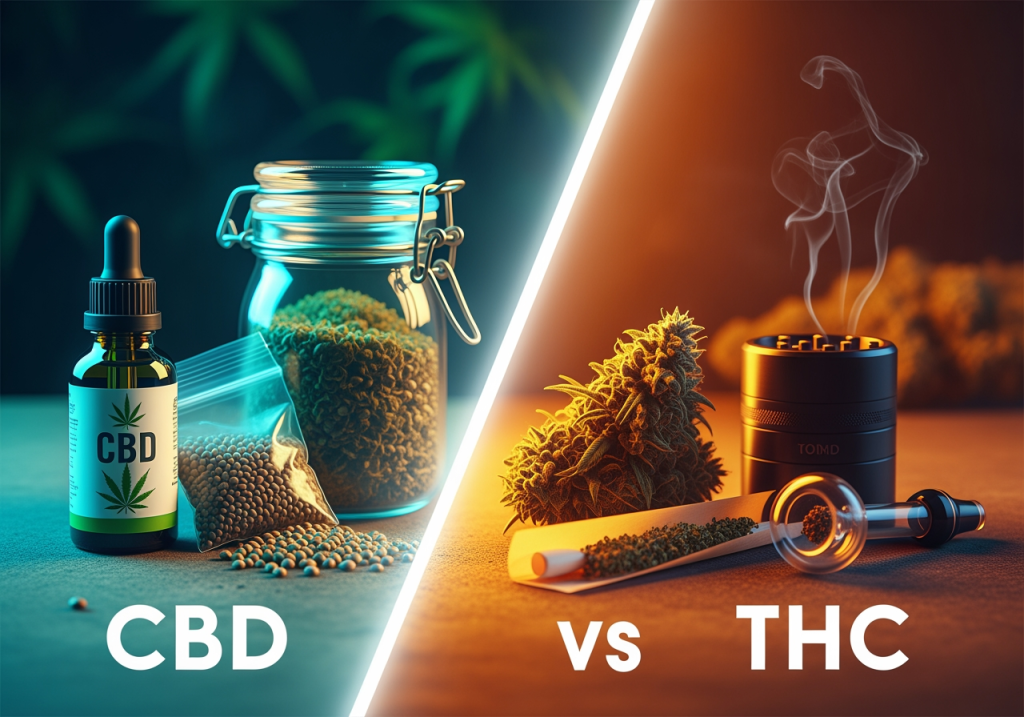
Medical marijuana patients often ask about the differences between CBD and THC. These two cannabinoids are key in cannabis medicine. While both compounds come from the same plant and share some therapeutic properties.
They differ dramatically in their effects on consciousness, legal status, side effect profiles, and optimal medical applications. Understanding these distinctions helps patients choose products that match their therapeutic needs and lifestyle requirements.
Comprehensive Comparison – CBD vs THC :
| Characteristic | CBD (Cannabidiol) | THC (Tetrahydrocannabinol) |
|---|---|---|
| Psychoactivity | Non-intoxicating; produces no “high” or altered consciousness | Psychoactive; produces euphoria, altered time perception, and sensory changes |
| Primary Therapeutic Effects | Anxiety reduction, seizure control, anti-inflammatory action, neuroprotection | Pain relief, appetite stimulation, nausea control, muscle relaxation, euphoria |
| Receptor Interaction | Weak CB1/CB2 binding; acts as negative allosteric modulator; influences serotonin, vanilloid, and adenosine receptors | Strong CB1 receptor agonist in brain and nervous system; moderate CB2 activation |
| Drug Testing | Pure CBD isolate won’t trigger positive tests; full-spectrum products with trace THC may cause positives with heavy use | Will cause positive results on standard drug tests; detectable for days to weeks depending on use frequency |
| Mental Clarity | Complete cognitive clarity maintained; no impairment to memory, attention, or executive function | Impairs short-term memory, attention, reaction time, and executive function during intoxication |
| CBD Side Effects | Drowsiness (high doses), dry mouth, diarrhea (rare), appetite changes, potential drug interactions | Anxiety, paranoia, increased heart rate, dry mouth, red eyes, impaired coordination, short-term memory disruption |
| Legal Status | Federally legal if hemp-derived (<0.3% THC); legal in medical states regardless of source | Federally illegal (Schedule I); legal only in states with medical or recreational cannabis programs |
| Addiction Potential | No addiction or dependence potential; no withdrawal symptoms upon discontinuation | Low to moderate psychological dependence possible; mild withdrawal symptoms in daily users |
| Optimal Medical Applications | Anxiety disorders, seizure disorders, inflammation, daytime symptom control, pediatric conditions, patients sensitive to intoxication | Severe pain, cachexia, chemotherapy side effects, insomnia, muscle spasticity, conditions requiring stronger symptom relief |
| Workplace Compatibility | Compatible with work, driving, operating machinery, childcare | Incompatible with safety-sensitive work; impairs driving ability; requires time off from impairment-sensitive activities |
| Dosing Range | 5–150 mg typical therapeutic range; some conditions require higher doses | 2.5–30 mg typical therapeutic range; lower doses often more effective |
| Duration of Effects | 4–8 hours depending on administration method | 2–6 hours depending on administration method |
| FDA-Approved Medications | Epidiolex (for seizure disorders) | Marinol, Cesamet (synthetic THC for nausea and appetite) |
Therapeutic Synergy and the Entourage Effect:
While CBD and THC have different effects, many medical marijuana patients get the best results by using both together in specific ratios. Scientists call this the “entourage effect.”
The entourage effect happens when cannabinoids work together. They create stronger benefits than each one alone.
CBD also reduces THC’s psychoactive effects. It changes how THC binds to CB1 receptors in the brain. This makes THC’s “high” less intense while keeping its therapeutic benefits.
Because of this, patients can enjoy THC’s pain relief and anti-nausea effects without as much anxiety, paranoia, or thinking problems.
Common therapeutic ratios include:
| CBD:THC Ratio | Effects | Best For |
|---|---|---|
| 20:1 | Very little high, strong anti-inflammatory and anti-anxiety | Daytime use, driving, work, beginners |
| 10:1 | Mild high, enhanced therapeutic benefits | Most daytime activities |
| 4:1 | Mild high balanced by CBD, better pain relief | Pain relief while staying functional |
| 1:1 | Balanced effects with some high, CBD reduces anxiety | Chronic pain, inflammation, sleep issues |
| 1:4 | More THC, CBD balances effects, stronger pain relief | Appetite boost, sedation, pain relief |
| 1:20 | Mostly THC, very little CBD | Patients who can handle high, strong pain relief or appetite support |
Therefore, Medical marijuana physicians help patients identify optimal ratios based on their therapeutic goals, tolerance to psychoactivity, daily activity requirements, and previous cannabis experience.
Related Cannabis Terms
Understanding CBD becomes easier when you also know these related cannabis terms that frequently appear in dispensary product descriptions, medical literature, and patient discussions:
Directly Related Terms:
- THC (Tetrahydrocannabinol) – This is the main psychoactive compound that people often compare to CBD. THC causes intoxication. However, when combined with CBD, it can create a helpful effect. This combination can enhance benefits and reduce CBD side effects for many patients
- Cannabinoids – This is the group of chemical compounds that CBD is part of. There are over 100 different cannabinoids in cannabis plants. Each one has its own unique healing properties and ways of working in the human body
- Endocannabinoid System – This is a system in your body that CBD interacts with. It includes CB1 and CB2 receptors, natural cannabinoids like anandamide, and enzymes. These elements work together to help keep your body balanced
- Hemp – Cannabis sativa plants have less than 0.3% THC by dry weight. Hemp plants usually have more CBD than marijuana plants. They are legal under the 2018 Farm Bill
- Full-Spectrum CBD – This CBD oil has all the natural compounds found in cannabis. It includes minor cannabinoids, terpenes, flavonoids, and a small amount of THC (under 0.3%). Many patients like full-spectrum products because of the entourage effect. This effect means the compounds work better together
- CBD Isolate – This is pure cannabidiol. Extra processing removes all other plant compounds. Manufacturers remove all other plant compounds through extra processing. It is also good for those who want single-compound therapy
- Broad-Spectrum CBD – This is a balance between full-spectrum and isolate. It has CBD along with other helpful cannabinoids and terpenes. However, THC is completely removed through extra processing steps
- Terpenes – These are aromatic compounds found in cannabis and other plants. They help with therapeutic effects by working on their own and by changing how cannabinoids work. Common terpenes include limonene, which is uplifting, myrcene, which is sedating, and pinene, which helps with focus
Compare and Contrast:
- CBD vs THC – CBD gives medical benefits without making you high. THC makes you feel high and can impair you.
- CBD vs CBN – CBD helps with anxiety and inflammation while keeping you alert. CBN is more calming and helps with sleep but is less useful for anxiety.
- CBD vs CBG – Both don’t get you high. CBG is stronger for bacteria and may help eyes. CBD is better for anxiety and seizures.
- Full-Spectrum vs Isolate – Full-spectrum has all cannabis compounds working together for stronger effects. Isolate is pure CBD with no THC, good for avoiding drug test issues.
Learn More About These Related Topics:
- Tinctures – Liquid CBD you put under your tongue. Works fast and lets you control the dose.
- Edibles – Foods or drinks with CBD. Take longer to feel but last a long time, for example, gummies.
- Topicals – Creams, balms, or lotions with CBD. Work on the area you apply them to without affecting the whole body.
- Vaporizers – Devices that turn CBD into vapor for quick effects.
- Entourage Effect – When CBD, THC, and other cannabis compounds work together for better results.
- Bioavailability – How much CBD actually gets into your blood. Depends on how you take it.
- Cannabinoid Receptors – CB1 and CB2 receptors in your body that interact with cannabinoids.
- Decarboxylation – Heating CBD to make it active and effective.
- Nanoemulsion – Technology that makes CBD mix with water better so your body absorbs it easier.
Qualifying Conditions Supported by Medical Cannabis
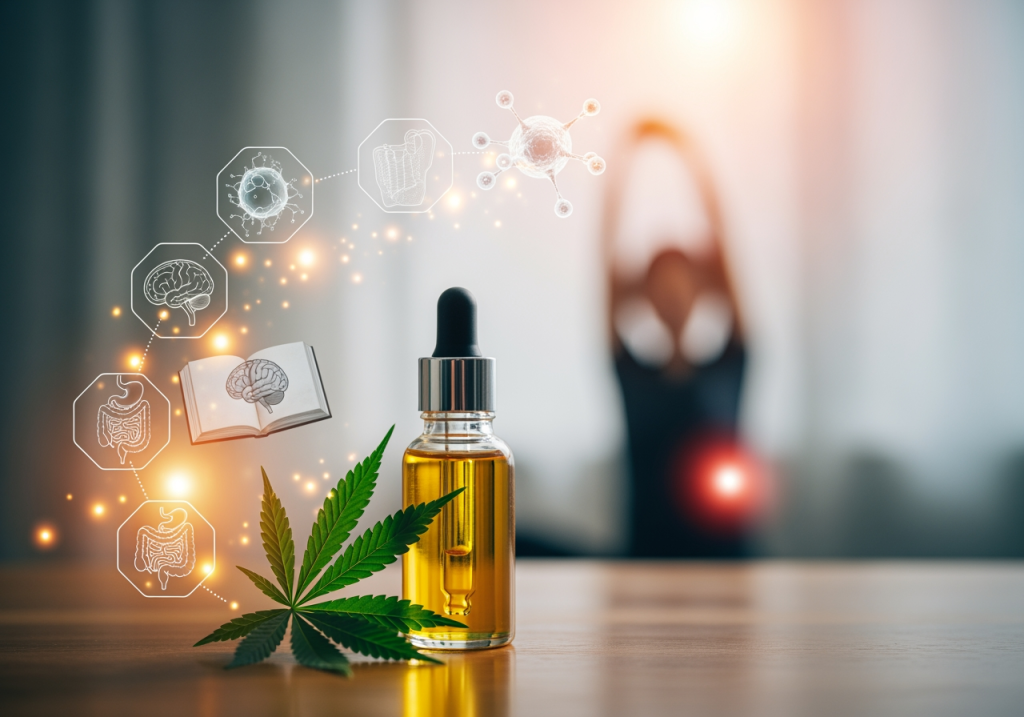
CBD effectively treats numerous medical conditions recognized in state medical marijuana programs. If you have any of these qualifying conditions, you may qualify for a medical marijuana card. This card gives you legal access to high-quality CBD products
Medical cannabis with CBD offers therapeutic benefits for:
- Chronic Pain – CBD reduces pain intensity and improves function for patients with chronic pain syndromes. It can fix pain lasting three months or longer. It is effective for back pain, nerve pain, arthritis pain, and other persistent pain conditions
- Anxiety Disorders – anxiety disorder, social anxiety disorder, panic disorder, and phobias all respond to CBD treatment according to research. Many patients reduce or eliminate traditional anxiety medications after starting CBD therapy
- PTSD (Post-Traumatic Stress Disorder) – CBD reduces PTSD symptoms, including hypervigilance, nightmares, flashbacks, and anxiety. It works well as a complement to trauma-focused psychotherapy
- Epilepsy and Seizure Disorders – CBD is FDA-approved for Dravet syndrome and Lennox-Gastaut syndrome. Many patients experience fewer seizures with CBD treatment.
- Multiple Sclerosis (MS) – CBD can reduce muscle tightness, pain, and bladder problems in MS patients. Some people use less other medicine when taking CBD regularly.
- Inflammatory Bowel Disease (IBD) – CBD helps with Crohn’s disease and ulcerative colitis. It can reduce abdominal pain, diarrhea, and inflammation in the digestive tract.
- Arthritis – Both osteoarthritis and rheumatoid arthritis can benefit from CBD’s anti-inflammatory and pain-relief effects. Topical creams and oral CBD can reduce joint pain and stiffness.
- Cancer-Related Symptoms – CBD can help with chemotherapy side effects, including nausea, pain, appetite loss, and anxiety during cancer treatment.
- Alzheimer’s Disease – Research shows CBD may slow cognitive decline, reduce brain inflammation, and improve quality of life for dementia patients.
- Parkinson’s Disease – CBD reduces tremors, improves sleep quality, and enhances quality of life for Parkinson’s patients. It may have neuroprotective properties that slow disease progression
- Insomnia and Sleep Disorders – Sleep disturbances related to pain, anxiety, or circadian rhythm dysfunction improve with evening CBD dosing. Particularly effective at higher doses (50-160mg)
- Autism Spectrum Disorders – Behavioral symptoms, irritability, hyperactivity, and sleep problems in autism patients show improvement with CBD treatment in recent clinical trials
- And many more conditions – Medical marijuana programs recognize dozens of qualifying conditions; check your state’s specific list to determine eligibility
Not sure if you qualify? Most patients are surprised to learn they meet medical marijuana criteria. Chronic pain, anxiety, insomnia, and PTSD represent the most common qualifying conditions. It is affecting millions of Americans who could benefit from legal CBD access through a medical marijuana card.
Talk to a licensed physician to find out if your condition qualifies for a medical marijuana recommendation.
Frequently Asked Questions
What does CBD mean?
CBD stands for cannabidiol, a naturally occurring compound found in cannabis plants. It’s one of over 100 cannabinoids but unlike THC, it’s completely non-psychoactive. The term “cannabidiol” comes from “cannabis” and “diol,” referring to its chemical structure with two hydroxyl groups.
What is THE WORK OF CBD in the body?
In the body, CBD works with the endocannabinoid system. It affects CB1 and CB2 receptors, serotonin receptors, and vanilloid receptors. It does not bind tightly to cannabinoid receptors. Instead, it affects them in other ways. This can change how you feel pain, how your body responds to inflammation, your anxiety levels, and how your immune system works.
What is THE MEANING OF CBD in medical terms?
In medical terms, CBD is a phytocannabinoid therapeutic agent with anxiolytic, anti-inflammatory, anticonvulsant, and analgesic properties. It’s classified as a cannabinoid receptor modulator that influences multiple biological pathways. Epidiolex, FDA-approved pharmaceutical CBD, treats drug-resistant epilepsy including Dravet and Lennox-Gastaut syndromes.
What does CBD do for you?
CBD reduces anxiety, controls seizures, relieves pain, and decreases inflammation without causing intoxication. It helps treat chronic pain, epilepsy, PTSD, arthritis, and insomnia while maintaining complete mental clarity. Effects appear within 15-90 minutes depending on administration method and last 4-8 hours for symptom relief.
What is the difference between CBD and THC?
CBD is non-intoxicating and produces no “high,” allowing full mental clarity for work and daily activities. THC is psychoactive, causing euphoria and impairment. CBD treats anxiety and inflammation without intoxication, while THC provides stronger pain relief but with temporary cognitive effects.
How much CBD should I take for anxiety?
Most anxiety patients find relief with 10-25mg once or twice daily. Start with 10mg for one week, then increase by 10mg weekly if needed. Severe anxiety may require 50-75mg daily. Take CBD 30-60 minutes before stressful situations for acute relief, or split doses throughout the day for generalized anxiety.
Is CBD legal with a medical marijuana card?
Yes, CBD is completely legal for medical cardholders in all states with medical cannabis programs. Your card provides legal authorization to purchase dispensary CBD regardless of hemp or marijuana source. Dispensary CBD offers mandatory quality testing, higher potencies, and medical oversight unavailable with unregulated retail hemp products.
Can you overdose on CBD?
No, CBD has no known fatal overdose potential. Clinical studies safely administered up to 1,500mg daily without serious effects. Very high doses may cause drowsiness or diarrhea, but pose no life-threatening danger. The main concern involves drug interactions affecting warfarin and other medications metabolized by liver enzymes.
Get Approved for Your Medical Marijuana Card in Minutes!

-
- Harvard Health Publishing. (2018, August 24). Cannabidiol (CBD) — what we know and what we don’t. Harvard Health. https://www.health.harvard.edu/blog/cannabidiol-cbd-what-we-know-and-what-we-dont-201808242496
- WebMD. (n.d.). Health benefits of CBD. WebMD. https://www.webmd.com/diet/health-benefits-cbd
- Devinsky, O., Cross, H., Laux, L., et al. (2017). Trial of cannabidiol for drug-resistant seizures in the Dravet syndrome. New England Journal of Medicine, 376(21), 2011–2020. https://www.nejm.org/doi/10.1056/NEJMc1407928
- Aso, E., & Ferrer, I. (2014). Cannabinoids for treatment of Alzheimer’s disease: Moving toward the clinic. Journal of Alzheimer’s Disease, 42(3), 693–710. https://journals.sagepub.com/doi/abs/10.3233/JAD-140093
- Gomes, F. V., et al. (2014). Cannabidiol attenuates acute stress-induced behavioral and neurochemical changes. PLoS ONE, 9(4), e94733. https://journals.plos.org/plosone/article?id=10.1371/journal.pone.0094733
- Bhaskar, A., Bell, A., Boivin, M., et al. (2021). Consensus recommendations on dosing and administration of medical cannabis to treat chronic pain: Results of a modified Delphi process. Journal of Cannabis Research, 3(1), 22. https://doi.org/10.1186/s42238‑021‑00073‑1
- Pennypacker, S. D., Cunnane, K., Cash, M. C., & Romero-Sandoval, E. A. (2022). Potency and therapeutic THC and CBD ratios: U.S. cannabis markets overshoot. Frontiers in Pharmacology, 13, 921493. https://doi.org/10.3389/fphar.2022.921493
- Hampson, A. J., et al. (2005). Cannabidiol and (−)Δ9-tetrahydrocannabinol are neuroprotective antioxidants. Journal of Neuroscience, 25(8), 1904–1912. https://www.jneurosci.org/content/25/8/1904
- Crippa, J. A., et al. (2016). Cannabis and anxiety: A critical review of the evidence. The Lancet Neurology, 15(3), 294–305. https://www.thelancet.com/journals/laneur/article/PIIS1474-4422(16)00002-8/abstract
- Hill, K. P., et al. (2016). Cannabidiol for the treatment of substance use disorders: A systematic review. JAMA Psychiatry, 73(5), 462–470. https://jamanetwork.com/journals/jamapsychiatry/fullarticle/2491944
- Pertwee, R. G. (2010). Receptors and channels targeted by synthetic cannabinoid receptor agonists and antagonists. British Journal of Pharmacology, 160(3), 523–532. https://bpspubs.onlinelibrary.wiley.com/doi/10.1111/j.1476-5381.2010.01166.x
- Scuderi, C., et al. (2020). Cannabidiol in medicine: A review. Progress in Neuro-Psychopharmacology & Biological Psychiatry, 104, 109998. https://www.sciencedirect.com/science/article/abs/pii/S1544319120302752
- Stella, N. (2023). THC and CBD: Similarities and differences between siblings. Neuron, 111(3), 302-327. https://doi.org/10.1016/j.neuron.2022.12.022 (PMCID: PMC9898277)
-
Minnesota Office of Cannabis Management. (n.d.). Qualifying medical conditions. Retrieved November 13, 2025, from https://mn.gov/ocm/dmc/patients/the-basics/qualifying-medical-condition.jsp
- Child, R. B., & Tallon, M. J. (2022). Cannabidiol (CBD) dosing: Plasma pharmacokinetics and effects on accumulation in skeletal muscle, liver and adipose tissue. Nutrients, 14(10), 2101. https://doi.org/10.3390/nu14102101
Our Commitment to Medical Accuracy
At Leafy DOC, every piece of content is created with care and reviewed by licensed medical professionals. Our experts ensure that health information is not only evidence-based but also easy to understand and practical for everyday life. We regularly update our resources to reflect the latest research, so you can make informed decisions about your wellness journey with confidence.
Reviewed by
Dr. Hannah Russo, MD, MPH
Dr. Hannah Russo is an internal medicine doctor and public health advocate with extensive experience in telemedicine and cannabis education. Her work bridges clinical practice and digital health, ensuring that patients receive safe, informed, and convenient care. She is passionate about expanding access to natural, evidence-based therapies for chronic conditions.

Written by :
Nida Hammad
Last Updated :
December 3, 2025
Related Terms From The Cannabis Glossary
-

Sativa
Breaking down Sativa’s energizing effects, medical benefits, and how Sativa differs from Indica. -
psychoactive
Learn how psychoactive substances work, their therapeutic health benefits, consumption methods, and the benefits of medical marijuana cards. -
Topicals
Discover tropical cannabis pain relief benefits, skin care applications, and how to use CBD and THC creams safely. Get your medical card today. -
indica
Learn what indica means for medical marijuana patients. Discover relaxation benefits, pain relief properties, and how indica strains treat chronic conditions. -
Hemp
Learn hemp vs marijuana differences, CBD benefits, industrial uses, cultivation, and how hemp supports medical cannabis treatment without intoxication. -
Cannabinoids
Learn what Cannabinoids mean for medical patients. Discover benefits, side effects, proper dosing, and which conditions Cannabinoids treat. -
Terpenes
Learn what terpenes mean for medical marijuana patients. Discover therapeutic effects, entourage benefits, major cannabis terpenes, and how they enhance treatment. -
Marijuana
Comprehensive marijuana guide: medical benefits, side effects, dosing, hemp vs marijuana differences, and how to get your medical card. -
THC
Learn what THC is, how it works, and its key medical uses. Discover THC’s effects, health benefits, dosing tips, and safety guidelines.