
psychoactive

by Nida Hammad
Last updated: December 3, 2025
Verified and Approved by:
Angela Morris,
MSW, LCSW
Fact Checked


-
Psychoactive does not mean dangerous, it simply means a substance affects mental processes. Many safe everyday substances like caffeine, CBD, and antidepressants are psychoactive without being intoxicating or harmful.
-
Cannabis contains multiple psychoactive compounds, mainly THC (intoxicating) and CBD (non-intoxicating), each offering different therapeutic benefits. Patients can choose THC-rich, balanced THC:CBD, or CBD-dominant products based on symptoms and tolerance.
-
All psychoactive substances work by altering neurotransmitter systems such as dopamine, serotonin, GABA, opioid receptors, and the endocannabinoid system. THC binds directly to CB1/CB2 receptors, while CBD acts more indirectly, influencing anxiety, pain, and inflammation.
-
Globally, 296 million people use psychoactive drugs. Risks vary widely: 39.5 million have drug use disorders, 0.6 million deaths are linked to drug use yearly, and cannabis use disorder impacts 22–30% of users, lower than nicotine and close to alcohol.
-
The adolescent brain is highly vulnerable to psychoactive substances. Heavy cannabis use before age 21 is linked to memory impairment, academic decline, increased mental health risks, and higher likelihood of later addiction.
-
Consumption method changes the onset, intensity, and duration of psychoactive cannabis effects.
-
Smoking/vaping: fast onset, short duration.
-
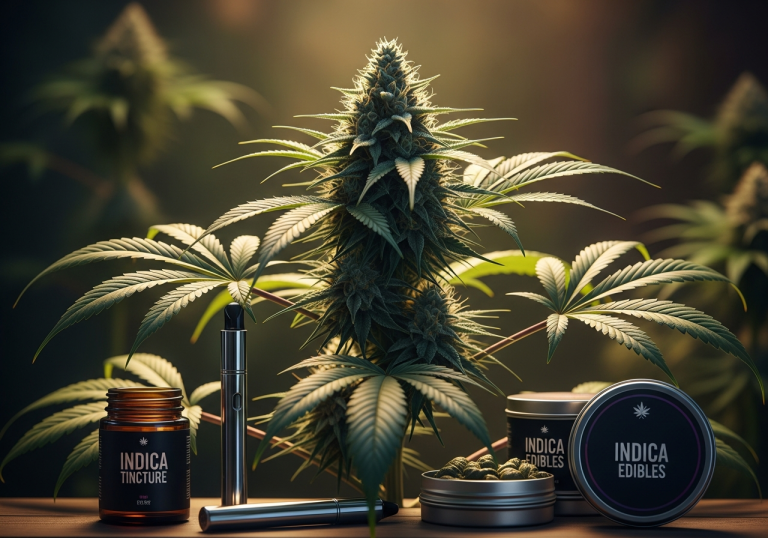
Edibles: slow onset, long and stronger effects; beginners should start with 2.5–5 mg THC.
-
Tinctures: moderate onset.
-
Topicals: no psychoactive effect.
-
-
A medical marijuana card provides legal access to regulated, lab-tested cannabis, higher potency limits, lower taxes, legal protections, and personalized medical guidance. Leafy DOC offers fast, easy, online evaluations with licensed physicians.
Psychoactive: Definition & Medical Uses
Psychoactive is a term describing substances that alter mental processes by interacting with the central nervous system, affecting perception, consciousness, cognition, mood, and behavior. These chemical compounds, including cannabis, modify brain function by influencing neurotransmitter systems to produce changes in psychological functioning. Psychoactive substances range from legal compounds like caffeine and prescription medications to controlled substances like THC in medical marijuana.
For medical marijuana patients, understanding psychoactive effects is essential because cannabis products containing THC produce psychoactive responses that vary based on dosage, consumption method, and individual tolerance. When you get your medical marijuana card, dispensary staff will help you choose cannabis products. They will find the right potency for your condition. This will balance the benefits with manageable mental effects. The psychoactive properties of cannabis are not just side effects; they’re often integral to the therapeutic process, working with your body’s endocannabinoid system to provide relief.
What is Psychoactive?
Psychoactive Definition
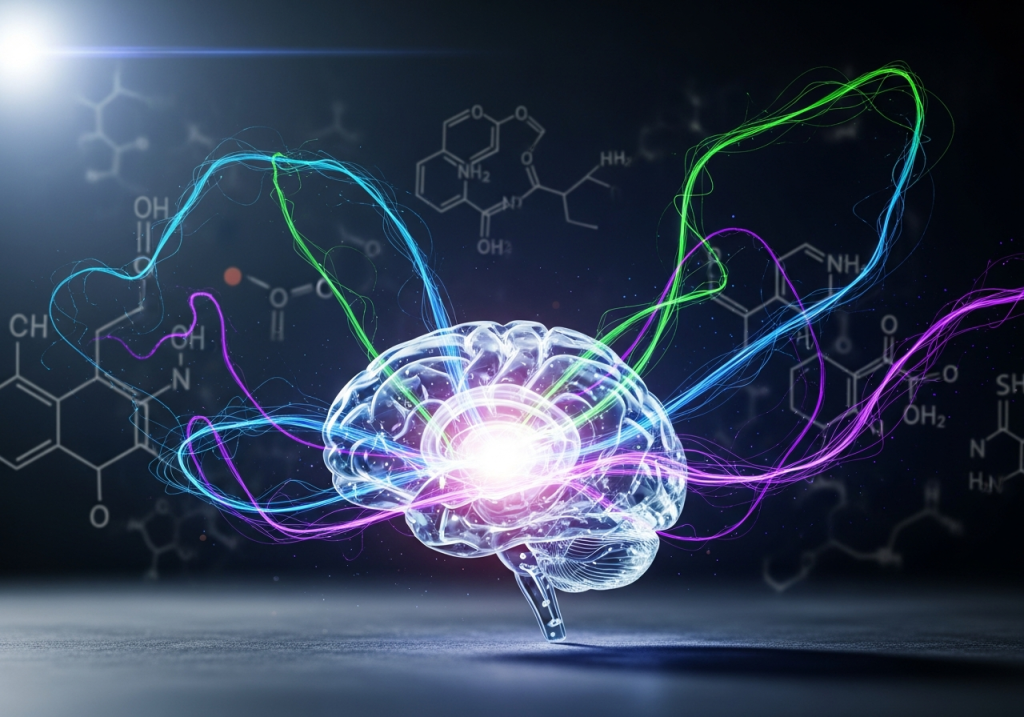
Psychoactive substances are chemical compounds that cross the blood-brain barrier and alter the function of the central nervous system, resulting in changes to perception, mood, consciousness, cognition, or behavior. The term “psychoactive” comes from “psyche” (mind) and “active” (producing action), literally meaning “mind-altering.” These substances work by modulating neurotransmitter systems, either enhancing or inhibiting their activity, which can affect everything from pain sensation to emotional regulation.
The mechanism behind psychoactive effects involves interaction with specific receptors in the brain and nervous system. Substances that increase neurotransmitter activity are called agonists. They work by increasing the synthesis of neurotransmitters, reducing their reuptake from synapses (the gaps between nerve cells), or mimicking the neurotransmitter’s action by binding directly to receptors.
Conversely, substances that reduce neurotransmitter activity are called antagonists, and they operate by interfering with synthesis or blocking receptors so neurotransmitters cannot bind to them.
It’s important to understand that “psychoactive” and “psychotropic” are often used interchangeably, but there are subtle distinctions. In general medical and academic sources, both terms describe substances that act on the brain to alter cognition and perception. However, some sources define “psychotropic” more narrowly to refer to drugs used to treat mental disorders, such as antidepressants, antipsychotics, and anxiolytics.
Another usage of “psychotropic” refers specifically to substances with high abuse potential, including stimulants, hallucinogens, opioids, and sedatives. In international drug control, “psychotropic substances” refers specifically to substances listed in the 1971 Convention on Psychotropic Substances, which does not include narcotics covered under the 1961 Single Convention.
Key Characteristics of Psychoactive Substances
- Alter Mental Processes: Psychoactive substances fundamentally change how the brain processes information, affecting perception (how we interpret sensory input), consciousness (our state of awareness), cognition (thinking and reasoning), mood (emotional state), and behavior (actions and reactions).
- CNS Interaction: All psychoactive substances work through the central nervous system, which includes the brain and spinal cord. This is what distinguishes them from other drugs that might work only on peripheral body systems.
- Variable Effects: The effects of psychoactive substances depend heavily on multiple factors including the specific drug taken, the amount consumed, the potency or concentration of active compounds, the method of consumption, other drugs a person may have taken, underlying medical conditions, and individual factors like age, sex, genetic differences, and previous experience with the substance.
- Therapeutic Potential: Many psychoactive substances have legitimate medical and psychiatric applications. They’re used to treat mental disorders, manage pain, control seizures, reduce anxiety, improve sleep, and address numerous other health conditions.
- Dependency Risk: Repeated exposure to psychoactive substances can lead to tolerance (needing more to achieve the same effect) and dependence (experiencing withdrawal symptoms when stopping use). However, not all psychoactive substances carry the same addiction risk, and many can be used safely under medical supervision.
- Legal Classification: Psychoactive substances are controlled under various international conventions and national laws. The production, distribution, sale, or non-medical use of many psychoactive drugs is either controlled or prohibited outside legally sanctioned channels, with substances classified according to their health risks and therapeutic usefulness.
How Psychoactive Relates to Medical Marijuana
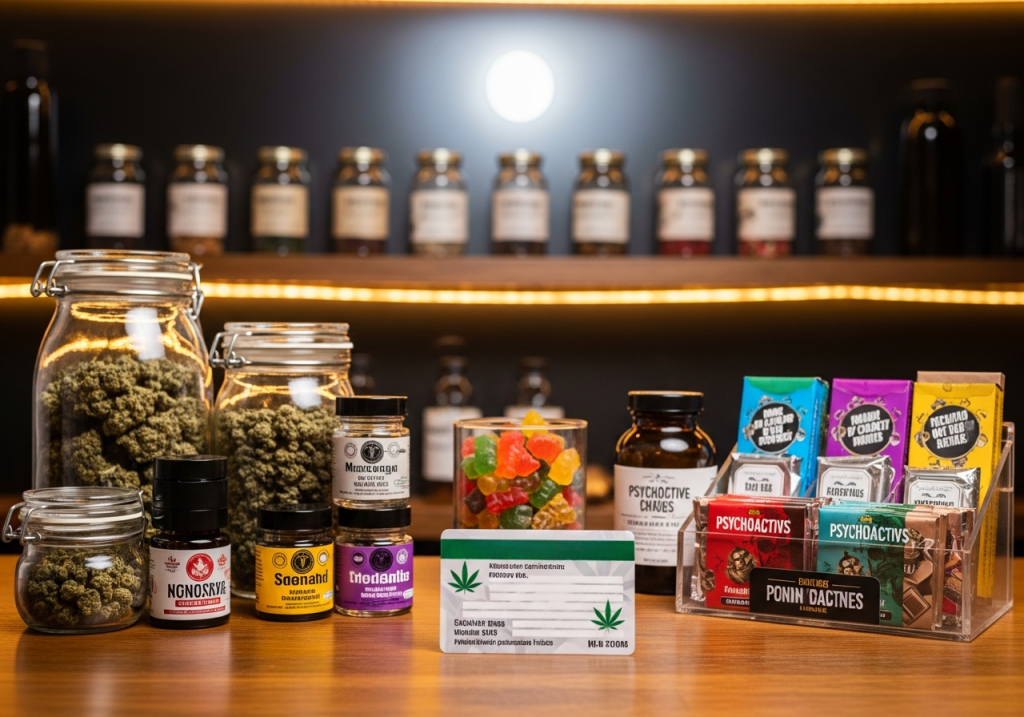
Medical cannabis is fundamentally a psychoactive medicine, containing multiple compounds that alter mental processes to provide therapeutic benefits. The two primary cannabinoids, THC and CBD, both produce psychoactive effects, though in very different ways. Understanding how these psychoactive properties relate to medical treatment is essential for patients seeking effective symptom relief.
THC (tetrahydrocannabinol) is the primary psychoactive cannabinoid in cannabis, responsible for the characteristic “high” sensation. It works by binding to CB1 receptors in the brain and nervous system, which are part of the endocannabinoid system, a complex network that regulates pain, mood, appetite, memory, and many other functions. When THC activates these CB1 receptors, it produces both the psychoactive effects patients experience and the therapeutic benefits they seek.
CBD (cannabidiol) is also psychoactive, but importantly, it is non-intoxicating. This means CBD affects mental processes, reducing anxiety, stabilizing mood, altering pain perception, without producing impairment or a “high” feeling. The World Health Organization’s Expert Committee on Drug Dependence concluded in 2017 that in its pure state, CBD does not appear to have abuse potential or cause harm. This makes CBD an attractive option for patients who need psychoactive therapeutic effects but cannot tolerate or don’t want the intoxicating effects of THC.
Medical Applications of Psychoactive Cannabis
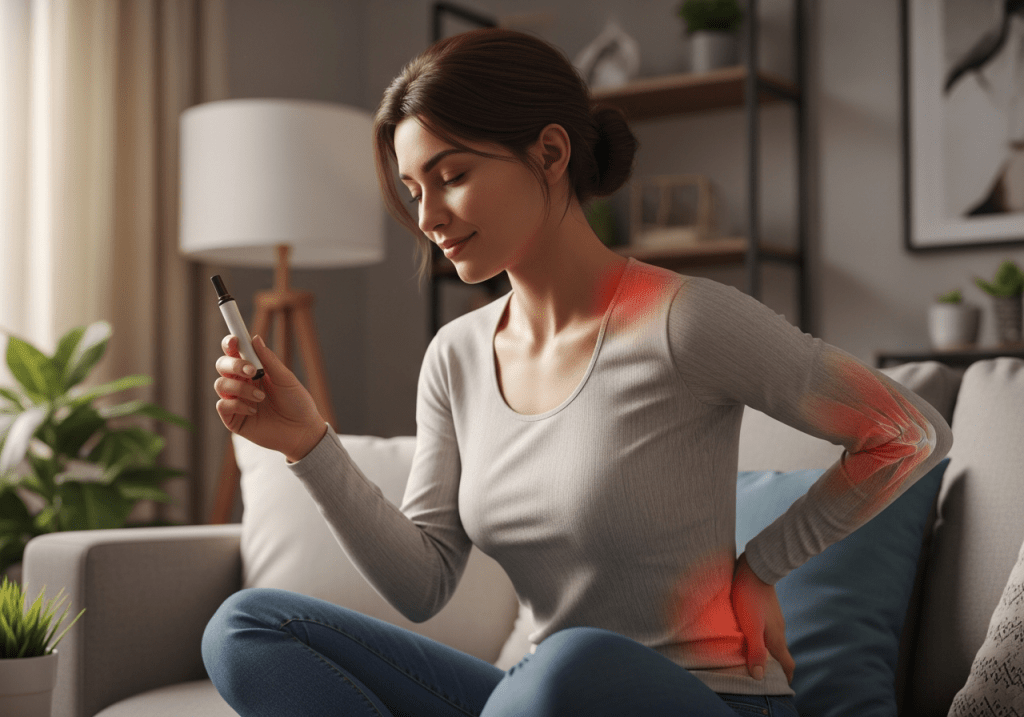
Pain Management
THC’s psychoactive action on CB1 receptors in the nervous system directly reduces pain signal transmission, making it highly effective for chronic pain, neuropathic pain (nerve damage pain), and cancer-related pain. The psychoactive component is not separate from the pain relief, they are interconnected effects of the same mechanism.
Many patients find that cannabis provides superior pain relief compared to non-psychoactive medications, particularly for pain that doesn’t respond well to traditional treatments. The endogenous opioid peptide system primarily regulates the subjective experience of pain, which is why opioid medications work for pain management.
Cannabis works through a different but complementary pathway, offering an alternative for patients who cannot tolerate opioids or for whom opioids are ineffective.
Mental Health Treatment
The psychoactive properties of cannabis make it uniquely suited for treating certain mental health conditions. For anxiety disorders, low to moderate doses of THC or higher doses of CBD can reduce anxiety symptoms by modulating the stress response and promoting relaxation. For PTSD, cannabis helps reduce intrusive memories, nightmares, and hyperarousal symptoms.
The psychoactive effects that help patients “let go” of traumatic memories and relax are integral to the therapeutic benefit. Research also suggests potential benefits for depression, with cannabis use associated with mood elevation and improved emotional regulation, though more research is needed to fully understand the relationship between cannabis use and depression.
Neurological Conditions
The psychoactive cannabinoids in cannabis have shown remarkable efficacy for certain neurological conditions. CBD has FDA approval for treating seizures associated with rare forms of epilepsy, with clinical trials showing significant seizure reduction. For multiple sclerosis patients, cannabis reduces spasticity (muscle stiffness and spasms), with the psychoactive effects of THC contributing to muscle relaxation. Parkinson’s disease patients report symptom improvement, particularly with tremors and sleep disturbances, from psychoactive cannabis use.
Sleep Disorders
The psychoactive, sedating properties of certain cannabis products make them highly effective for insomnia and other sleep disorders. THC helps patients fall asleep faster and may increase deep sleep stages, while also reducing REM sleep (which can be beneficial for PTSD patients experiencing nightmares). The psychoactive “body high” that promotes relaxation is exactly what many patients need to overcome insomnia.
Appetite Stimulation
THC’s psychoactive effects include activation of appetite centers in the brain, producing the famous “munchies” effect. This psychoactive property is medically valuable for patients with cachexia (wasting syndrome), eating disorders, chemotherapy-induced nausea and loss of appetite, or HIV/AIDS-related appetite loss. The FDA has approved synthetic THC (dronabinol) specifically for treating anorexia and weight loss associated with HIV/AIDS.
Nausea and Vomiting
Cannabis has been used for decades to manage chemotherapy-induced nausea and vomiting. The psychoactive interaction with the endocannabinoid system helps suppress nausea signals and prevent vomiting. For some patients, the mild psychoactive effects are an acceptable trade-off for the significant relief from debilitating nausea.
Clinical Perspective on Psychoactive Cannabis

Medical cannabis physicians carefully consider psychoactive potency when recommending products for specific conditions and individual patients. The goal is to maximize therapeutic benefits while minimizing unwanted psychoactive intensity that could interfere with daily functioning.
For chronic pain patients, physicians often recommend higher THC products (15-25% THC content) because the stronger psychoactive effects correlate with greater pain relief. However, these recommendations are personalized based on the patient’s tolerance, experience with cannabis, and daily responsibilities.
For anxiety patients, the approach is more nuanced. While low doses of THC can reduce anxiety, higher doses may increase anxiety or trigger paranoia in some individuals. Many physicians recommend THC-to-CBD ratios like 1:1 or even higher CBD ratios (1:2 or 1:5 THC:CBD) to provide anxiolytic benefits while minimizing the risk of anxiety-inducing psychoactive effects. CBD modulates THC’s psychoactivity, creating a more balanced, therapeutic experience.
For sleep disorders, physicians often recommend indica-dominant strains or products specifically formulated for nighttime use, with higher THC content and sedating terpenes. Since patients will be sleeping through most of the psychoactive effects, higher potency is generally well-tolerated.
Physicians also consider consumption methods when managing psychoactive effects. Inhalation (smoking or vaping) produces rapid onset but shorter duration, allowing patients to titrate their dose more precisely and avoid excessive psychoactivity. Edibles produce much longer-lasting effects (4-8 hours or more) but have delayed onset (30-90 minutes), making it easier to accidentally consume too much and experience uncomfortable psychoactive intensity.
The key message for medical cannabis patients is that psychoactive effects are not something to fear—they’re an integral part of how cannabis provides therapeutic benefits. With proper physician guidance, strain selection, dosing, and consumption method choice, patients can harness psychoactive properties for healing while maintaining quality of life and daily functioning.
Psychoactive and Your Medical Marijuana Card
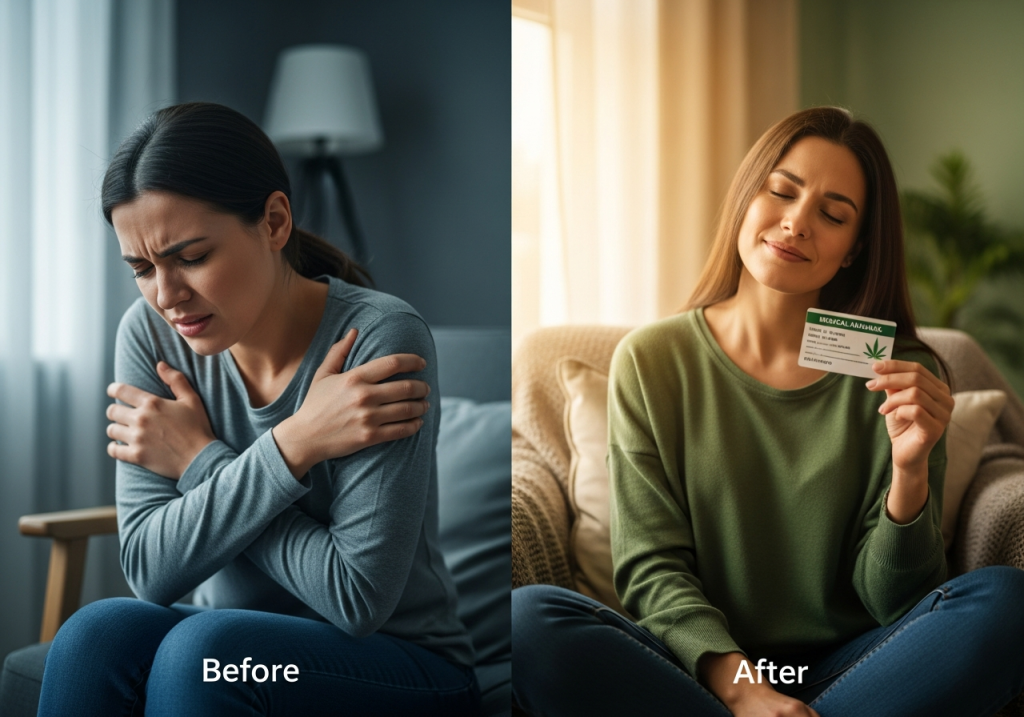
Once you receive your medical marijuana card, you’ll have legal access to psychoactive cannabis products from licensed dispensaries, with lab-tested potency information and expert guidance to help you find the right products for your needs. State-specific medical cannabis programs provide legal protection for patients using psychoactive cannabis for legitimate medical purposes, though regulations vary significantly by state.
Legal Access to Psychoactive Cannabis
- Your medical marijuana card grants you legal authorization to purchase, possess, and use psychoactive cannabis products containing THC within your state’s medical cannabis program.
- This legal protection is crucial because THC remains a Schedule I controlled substance under federal law, meaning it’s technically illegal at the federal level.
- State medical cannabis laws provide a safe harbor for qualified patients, protecting them from state-level prosecution for possessing and using psychoactive cannabis for medical purposes.
- Medical dispensaries are required to test their products for potency, ensuring you know exactly how much THC (the primary psychoactive cannabinoid) and CBD your medicine contains.
- This lab testing also screens for contaminants like pesticides, heavy metals, mold, and residual solvents, ensuring your psychoactive cannabis is safe and pure.
- This is a major advantage over unregulated sources, where psychoactive potency is unknown and products may contain dangerous additives.
What You Can Access With Your Medical Card
Purchase Medical-Strength Psychoactive Cannabis Products
Many states allow medical patients to purchase higher-potency THC products than are available to recreational consumers. While recreational programs often cap THC percentages or limit concentrate potency, medical patients typically have access to the full range of psychoactive cannabis products, including high-potency concentrates, tinctures, and edibles specifically formulated for medical use.
Receive Expert Guidance on Managing Psychoactive Effects
Medical dispensaries employ staff trained in cannabis therapeutics who can help you select products with appropriate psychoactive profiles for your condition. They understand how different THC percentages, CBD ratios, terpene profiles, and consumption methods affect the psychoactive experience and can recommend products that provide therapeutic benefits without overwhelming psychoactivity.
Access Higher Purchase and Possession Limits
Medical patients typically have higher possession limits than recreational users, allowing them to maintain an adequate supply of their psychoactive medicine without making frequent dispensary trips. This is particularly important for patients who consume larger quantities for severe conditions or who prefer to purchase in bulk for cost savings.
Pay Lower Taxes
Most states with both medical and recreational cannabis programs impose lower taxes on medical purchases. Since psychoactive cannabis can be expensive, these tax savings make a significant difference in the affordability of medical treatment, potentially saving patients hundreds or even thousands of dollars annually.
Receive Legal Protection
Your medical marijuana card provides legal protection for using psychoactive cannabis, including protection from state-level criminal prosecution, housing discrimination in some circumstances, and parental rights in custody cases (though this varies by jurisdiction). While protection isn’t absolute, you can still be fired from a job or denied federal benefits—having a medical card demonstrates that your psychoactive cannabis use is legitimate medical treatment, not recreational use.
Get Personalized Psychoactive Dosing Recommendations
Medical cannabis physicians can provide specific dosing guidance based on your condition, tolerance, and treatment goals. This personalized approach helps you find the minimum effective dose of psychoactive cannabis, maximizing benefits while minimizing side effects and costs.
Getting Started tODAY
Getting your medical marijuana card is fast and easy with Leafy DOC. Our licensed physicians can evaluate your qualifying condition and provide your recommendation in minutes, all through a convenient online platform. The process is simple: complete a brief medical questionnaire, connect with a licensed physician via video consultation, discuss your condition and how psychoactive cannabis might help, and receive your certification if you qualify.
Our physicians are experienced in cannabis medicine and understand how to match patients with appropriate psychoactive cannabis products for their specific conditions. They’ll provide guidance on starting doses, consumption methods, and what to expect from the psychoactive effects, ensuring you feel confident and prepared as you begin medical cannabis treatment.
Leafy DOC offers same-day approval in many cases, meaning you could have your medical marijuana card and legal access to psychoactive cannabis products within 24 hours. We operate in multiple states and stay current with each state’s specific requirements and regulations for medical cannabis programs.
Major Categories of Psychoactive Substances

Psychoactive substances are divided into several major categories based on their primary effects on the central nervous system. Understanding these categories helps medical cannabis patients contextualize how cannabis compares to other psychoactive medicines and substances they may encounter.
Stimulants
Stimulants are psychoactive substances that increase activity and arousal in the central nervous system. They enhance alertness, attention, cognition, and mood while also boosting physical performance. Stimulants work primarily by increasing dopamine and norepinephrine release in the brain while inhibiting their reuptake, leading to sustained elevated levels of these activating neurotransmitters.
Common stimulants include caffeine—the world’s most widely consumed psychoactive substance, with approximately 90% of North American adults consuming it daily. Caffeine is legal and unregulated in nearly all jurisdictions, found in coffee, tea, energy drinks, and many medications. Despite its ubiquity, caffeine is genuinely psychoactive, affecting alertness, mood, and cognitive performance.
Other stimulants include cocaine, a powerful illegal stimulant that produces intense euphoria and energy but carries significant health risks including heart attack and sudden death; amphetamines like Adderall and methamphetamine, which can be used medically for ADHD and narcolepsy but are also subject to abuse; nicotine from tobacco products, which provides a brief “buzz” of energy and pleasure before leading to fatigue and dependency; and methylphenidate (Ritalin), commonly prescribed for ADHD treatment.
MDMA (ecstasy/molly) has partial stimulant properties combined with empathogenic effects, increasing both energy and emotional openness. It’s currently illegal but showing promise in clinical trials for PTSD treatment.
Stimulants produce their psychoactive effects by increasing dopamine and norepinephrine release, enhancing reaction time, improving focus and concentration, elevating heart rate and blood pressure, decreasing appetite, and creating feelings of euphoria and increased energy. Medical uses include ADHD treatment, where stimulants help improve focus and reduce hyperactivity; narcolepsy management for preventing daytime sleepiness; performance enhancement in military applications for sustained operations; and fatigue management in shift workers and pilots.
The physiological and performance effects of stimulants can be significant. They improve acceleration and muscle strength, delay muscle fatigue, increase alertness and attention to task, and improve overall cognitive performance in many domains. However, these benefits come with risks including elevated cardiovascular strain, addiction potential, tolerance development, and adverse psychological effects like anxiety and paranoia at high doses.
Depressants
Depressants are psychoactive substances that reduce or depress central nervous system activity, producing sedative, soporific (sleep-inducing), and anesthetic effects. They slow thinking, physical responses, breathing, and heart rate. Depressants are often used medically but can be dangerous, particularly when combined with other depressants or taken in high doses.
Common depressants include alcohol (ethanol), perhaps the most widely used depressant globally, which slows thinking, impairs judgment and coordination, and can be addictive; benzodiazepines like Xanax (alprazolam) and Valium (diazepam), prescribed for anxiety and sleep disorders but carrying addiction risk; barbiturates, older sedative medications now less commonly prescribed due to overdose risk; opioids including morphine, fentanyl, and codeine, which have both pain-relieving and depressant effects; cannabis, which can act as a depressant particularly in higher doses or with certain strains; and muscimol from Amanita muscaria mushrooms.
Depressants produce their psychoactive effects through various mechanisms, but many work on the GABA (gamma-aminobutyric acid) system, the brain’s primary inhibitory neurotransmitter. By enhancing GABA activity, depressants slow down neural firing, producing slowed breathing and heart rate, reduced pain sensation, muscle relaxation, drowsiness and sedation, impaired judgment and coordination, and at very high doses, potentially dangerous respiratory depression.
Medical uses for depressants are extensive. As anxiolytics, benzodiazepines and other depressants reduce anxiety and panic symptoms. As hypnotics, they treat insomnia and other sleep disorders. Opioids provide crucial pain management for moderate to severe pain, post-surgical recovery, and cancer treatment. Depressants are also used for anesthesia in medical procedures and for muscle relaxation in conditions causing spasticity.
The risks associated with depressants are significant. Physical dependence develops rapidly with regular use of benzodiazepines and opioids. Withdrawal from alcohol and benzodiazepines can be life-threatening, requiring medical supervision. Respiratory depression from high doses or drug combinations can be fatal. Impaired judgment leads to accidents and risky behaviors. The combination of multiple depressants (such as alcohol plus benzodiazepines, or opioids plus alcohol) is particularly dangerous, exponentially increasing overdose risk.
Hallucinogens
Hallucinogens are psychoactive substances that produce distinct alterations in perception, sensation of space and time, and emotional state. They can cause users to see, hear, or perceive things that don’t exist (hallucinations), experience profound changes in consciousness, and have spiritual or mystical experiences. Hallucinogens are divided into three subcategories based on their specific effects and mechanisms.
Psychedelics are perhaps the most well-known hallucinogens, including LSD (lysergic acid diethylamide), which produces profound alterations in perception, thought, and mood lasting 8-12 hours; psilocybin from “magic mushrooms,” used traditionally in spiritual ceremonies and now being researched for depression and anxiety treatment; DMT (N,N-Dimethyltryptamine), a powerful short-acting psychedelic found in ayahuasca; and mescaline from peyote cacti, used in Native American religious ceremonies for thousands of years.
Dissociatives produce feelings of detachment from one’s body and environment, including ketamine, used medically as an anesthetic and recreationally as a club drug, now showing promise for treatment-resistant depression; dextromethorphan (DXM), found in cough medicines but causing dissociative effects at high doses; and Salvia divinorum, a plant that produces brief but intense dissociative experiences.
Deliriants produce a confusional state with genuine hallucinations (not just perceptual distortions), including Datura plants, extremely dangerous with unpredictable effects; scopolamine, historically used in espionage and crimes due to its ability to induce suggestibility; and diphenhydramine (Benadryl) at very high doses, though this is extremely dangerous and not recommended.
Hallucinogens work primarily through the serotonin system, particularly the 5-HT2A receptors. By binding to these receptors, hallucinogens profoundly alter perception, cognition, and emotional processing. Effects include altered visual perception with enhanced colors, patterns, and geometric hallucinations; time distortion where minutes feel like hours; emotional intensification ranging from profound joy to terror; spiritual or mystical experiences described as ego dissolution; and in some cases, temporary psychotic episodes, particularly at high doses or in vulnerable individuals.
Medical and therapeutic uses of hallucinogens are experiencing a renaissance after decades of prohibition. Psychedelic therapy for mental disorders is showing remarkable promise, with psilocybin demonstrating efficacy for treatment-resistant depression, end-of-life anxiety in terminal cancer patients, and addiction to alcohol and other substances. MDMA-assisted therapy for PTSD has received FDA breakthrough therapy designation after Phase 3 trials showed unprecedented success rates. Ketamine is already FDA-approved for treatment-resistant depression and is being used in specialized clinics. Research continues on LSD for anxiety and depression, and ibogaine for treating opioid addiction, though this remains highly experimental.
The psychedelic therapy model differs fundamentally from traditional psychiatric medication. Rather than taking a pill daily to suppress symptoms, patients undergo a limited number of guided psychedelic sessions (often 2-3) combined with intensive psychotherapy. The profound psychoactive experiences facilitate psychological breakthroughs, emotional processing of trauma, and lasting perspective shifts that can provide relief for years after treatment.
Opioids and Opiates
Opioids are psychoactive substances that relieve pain while producing feelings of euphoria and tranquility. The term “opiate” specifically refers to naturally occurring compounds derived from opium poppies, while “opioid” includes natural, semi-synthetic, and fully synthetic compounds. All opioids work by binding to opioid receptors in the brain and body, primarily the mu, delta, and kappa receptors.
Common prescription opioids include OxyContin (oxycodone), Percocet (oxycodone plus acetaminophen), Vicodin (hydrocodone plus acetaminophen), morphine, codeine (also used in cough suppressants), and fentanyl, an extremely potent synthetic opioid 50-100 times stronger than morphine. Illegal opioids include heroin, which is chemically similar to prescription opioids but carries additional risks due to unknown purity and contamination with dangerous substances like fentanyl.
Opioids are primarily used medically for moderate to severe pain management, including post-surgical pain relief, cancer pain treatment, palliative care for terminal illnesses, and chronic pain management (though this use is now more restricted due to addiction concerns). Codeine is also used as a cough suppressant because it suppresses the cough reflex in the brain.
The mechanism of action involves binding to endogenous opioid receptors that normally respond to naturally produced compounds called endorphins. When opioids bind to these receptors, they block pain signal transmission, regulate the subjective experience of pain, produce feelings of pleasure and contentment, and create a powerful sense of wellbeing or euphoria. This euphoric effect is central to both the therapeutic benefits (pain relief involves more than just blocking signals, it involves changing how pain feels) and the high addiction potential of opioids.
The risks associated with opioids are severe and include high addiction potential even with prescribed use, physical dependence developing within days to weeks of regular use, respiratory depression that can be fatal in overdose, tolerance requiring escalating doses for the same effect, and severe withdrawal symptoms including pain, anxiety, insomnia, nausea, and flu-like symptoms.
Globally, approximately 0.6 million deaths annually are attributable to drug use, with opioids representing a substantial portion. The opioid epidemic has been particularly devastating in the United States, where synthetic opioids (primarily fentanyl) have become the leading cause of overdose deaths. Fentanyl is so potent that even tiny amounts can be fatal, and it’s increasingly found contaminating other drugs like cocaine, methamphetamine, and counterfeit prescription pills.
For medical cannabis patients, understanding opioids is particularly relevant because cannabis is increasingly used as an alternative or complement to opioid pain medications. Many patients find that cannabis provides adequate pain relief with fewer side effects and lower addiction risk compared to opioids.
Some research suggests cannabis use may allow patients to reduce or eliminate opioid use, though more studies are needed. States with medical cannabis programs have seen reductions in opioid prescribing and overdose deaths, suggesting cannabis may play a role in addressing the opioid crisis.
Anxiolytics
Anxiolytics are psychoactive substances specifically used to reduce anxiety symptoms. They overlap significantly with depressants but are categorized separately because their primary therapeutic purpose is anxiety reduction rather than sedation or pain relief. Anxiolytics are among the most commonly prescribed psychiatric medications.
Common anxiolytics include benzodiazepines (which also function as depressants), such as Xanax (alprazolam), Valium (diazepam), Ativan (lorazepam), and Klonopin (clonazepam). These medications work quickly to reduce anxiety but carry significant risks of dependence and withdrawal. Buspirone is a non-benzodiazepine anxiolytic that takes weeks to become effective but has lower abuse potential.
Certain antidepressants, particularly SSRIs (selective serotonin reuptake inhibitors) like Prozac, Zoloft, and Lexapro, are now considered first-line treatments for anxiety disorders despite being classified as antidepressants. Hydroxyzine is an antihistamine with anxiolytic properties, often used for short-term anxiety relief. Propranolol and other beta-blockers reduce the physical symptoms of anxiety (rapid heartbeat, trembling) and are used for performance anxiety.
Anxiolytics are used medically for generalized anxiety disorder (GAD), panic disorder and panic attacks, social anxiety disorder, specific phobias, anxiety associated with depression, and as short-term relief during acutely stressful situations.
The psychoactive effects of anxiolytics include reduced feelings of worry and dread, decreased physical tension and muscle tightness, calmer mental state with reduced racing thoughts, improved sleep when anxiety interferes with rest, and reduced panic symptoms.
Different classes work through different mechanisms, benzodiazepines enhance GABA activity, SSRIs increase serotonin availability, buspirone acts on serotonin receptors without sedation, and beta-blockers block adrenaline’s physical effects.
For medical cannabis patients with anxiety, understanding anxiolytics is important because cannabis can both help and worsen anxiety depending on the dose, THC:CBD ratio, and individual factors. Low doses of THC and moderate to high doses of CBD often have anxiolytic effects, reducing worry and promoting calm.
However, high doses of THC can increase anxiety and even trigger panic attacks in susceptible individuals. Many medical cannabis physicians recommend balanced THC:CBD products or CBD-dominant products for anxiety patients, as CBD appears to have genuinely anxiolytic psychoactive properties without intoxication or addiction risk.
Empathogen-Entactogens
Empathogen-entactogens are a unique class of psychoactive substances that alter emotional state, particularly by increasing feelings of empathy, emotional closeness, and openness to communication. The terms “empathogen” (generating empathy) and “entactogen” (producing touch within) both describe these substances’ ability to enhance emotional connection and reduce emotional barriers.
The primary example is MDMA (3,4-methylenedioxymethamphetamine), commonly known as ecstasy or molly. MDMA has combined stimulant and mild hallucinogenic properties, but its most distinctive feature is the emotional opening it produces. Users report feeling deeply connected to others, experiencing enhanced empathy and understanding, having reduced fear and defensiveness, feeling increased trust and authenticity in communication, and experiencing intensified sensory pleasure, particularly from music and physical touch.
MDMA works primarily by releasing large amounts of serotonin while also affecting dopamine and norepinephrine systems. The massive serotonin release is responsible for the profound mood elevation and emotional effects, but it also depletes serotonin stores, leading to a “comedown” period of low mood lasting several days after use.
While MDMA is currently illegal in most countries, it’s undergoing a remarkable transformation from party drug to legitimate medicine. MDMA-assisted psychotherapy for PTSD has shown unprecedented success rates in clinical trials, with the FDA granting it breakthrough therapy designation. The treatment protocol involves 2-3 MDMA sessions combined with intensive psychotherapy.
The empathogenic effects of MDMA allow PTSD patients to revisit traumatic memories without being overwhelmed by fear and defensiveness, facilitating emotional processing and healing that’s difficult to achieve with conventional therapy alone.
Research is also exploring MDMA’s potential for couples counseling (enhancing emotional communication), social anxiety disorder treatment (reducing fear of social judgment), and treating addiction (by addressing underlying trauma and emotional issues). The therapeutic use of MDMA is carefully controlled, with trained therapists guiding the experience and providing integration therapy afterward.
For medical cannabis patients, empathogen-entactogens represent a different approach to psychoactive therapy. While cannabis primarily affects mood, pain, and physical symptoms, MDMA specifically targets emotional processing and interpersonal connection. They serve different therapeutic niches, though both challenge the assumption that psychoactive effects are mere “side effects” rather than integral to therapeutic action.
How Psychoactive Drugs Work in the Brain
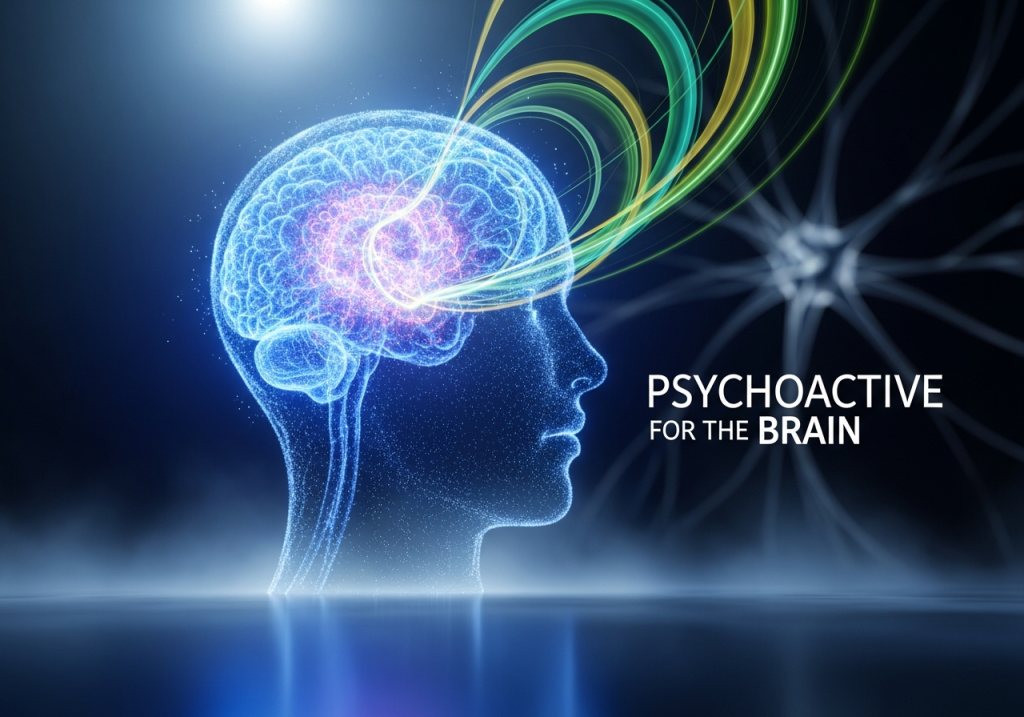
Understanding the mechanism by which psychoactive substances alter mental processes helps medical cannabis patients appreciate how their medicine works and why factors like dose, tolerance, and individual differences matter so much.
Neurotransmitter System Interactions
The brain functions through chemical communication between neurons (nerve cells). When one neuron needs to send a signal to another, it releases chemical messengers called neurotransmitters into the synapse (the tiny gap between neurons). These neurotransmitters cross the synapse and bind to receptors on the receiving neuron, triggering changes in that neuron’s activity.
Psychoactive drugs work by interfering with this neurotransmitter communication in various ways. Agonist substances enhance neurotransmitter activity through several mechanisms: they may increase neurotransmitter synthesis (production), reduce neurotransmitter reuptake from synapses (allowing neurotransmitters to remain active longer), mimic the neurotransmitter’s action by binding directly to receptors themselves, or enhance receptor sensitivity to neurotransmitters.
Antagonist substances reduce neurotransmitter activity by interfering with neurotransmitter synthesis, blocking postsynaptic receptors so neurotransmitters cannot bind, preventing neurotransmitter release from the sending neuron, or reducing receptor responsiveness to neurotransmitters.
The specific psychoactive effects of a drug depend on which neurotransmitter systems it affects, whether it acts as an agonist or antagonist, where in the brain the targeted receptors are located, how strongly it binds to receptors, and how long the effects last.
Specific Neurotransmitter Systems
The Dopamine System is the primary target of stimulants like cocaine and amphetamines. Dopamine is crucial for reward, pleasure, motivation, movement, and attention. When stimulants increase dopamine levels in the brain’s reward circuits, they produce feelings of euphoria and increased motivation. This same mechanism underlies addiction vulnerability; the brain begins to prioritize drug-seeking behavior because drugs hijack the reward system. The mesolimbic dopamine pathway, particularly involving the nucleus accumbens, is central to addiction to many substances.
The Serotonin System is the primary target of hallucinogens, particularly psychedelics like LSD and psilocybin. Serotonin regulates mood, perception, cognition, appetite, and sleep. By binding to specific serotonin receptors (primarily 5-HT2A receptors), psychedelics profoundly alter perception and cognition, leading to the characteristic “trip” experience. MDMA also works primarily through the serotonin system, but by causing massive serotonin release rather than by directly activating receptors. SSRIs, used for depression and anxiety, work on the serotonin system by blocking serotonin reuptake, allowing natural serotonin to remain active longer.
The GABA System is the target of depressants including alcohol, benzodiazepines, and barbiturates. GABA (gamma-aminobutyric acid) is the brain’s primary inhibitory neurotransmitter; it calms neural activity. When depressants enhance GABA activity, they produce sedation, anxiety reduction, muscle relaxation, and reduced inhibition.
Anesthetics like propofol work as powerful GABA agonists, essentially “turning down” brain activity enough to produce unconsciousness. The danger of depressants is that excessive GABA activity can suppress vital functions like breathing, leading to fatal overdoses, especially when multiple depressants are combined.
The Opioid System involves naturally occurring opioid peptides (like endorphins) that regulate pain, pleasure, and stress responses. Opioid drugs bind to mu, delta, and kappa opioid receptors, mimicking endorphins but with much greater intensity.
This produces profound pain relief and euphoria but also suppresses breathing and causes severe constipation. The euphoric effects make opioids highly addictive, while the respiratory depression makes them dangerous in overdose.
The Endocannabinoid System is unique because it was discovered relatively recently (1990s) through research on how cannabis works. The endocannabinoid system includes CB1 receptors (primarily in the brain and nervous system) and CB2 receptors (primarily in the immune system and peripheral tissues).
The body produces its own cannabinoids (anandamide and 2-AG) that regulate pain, mood, appetite, memory, inflammation, and many other functions. THC from cannabis binds to CB1 receptors, producing psychoactive effects and therapeutic benefits. CBD interacts with the endocannabinoid system more indirectly, modulating receptor activity and affecting other systems like serotonin receptors.
The Glutamate/NMDA System involves glutamate, the brain’s primary excitatory neurotransmitter (opposite of GABA’s inhibitory role). Ketamine and other dissociative drugs work as NMDA receptor antagonists, blocking glutamate’s excitatory effects. This produces the characteristic dissociative state where people feel detached from their body and surroundings.
Interestingly, ketamine’s antidepressant effects may work through downstream effects on brain plasticity rather than through acute NMDA blockade, illustrating how psychoactive effects and therapeutic mechanisms can be related but distinct.
Neural Adaptation Processes
The brain doesn’t passively accept psychoactive drugs, it actively adapts to their presence, leading to tolerance, sensitization, and dependence. Understanding these processes helps medical cannabis patients recognize why their dose might need adjustment over time and why suddenly stopping medicine can cause withdrawal symptoms.
Tolerance Development occurs when repeated exposure to a psychoactive substance causes the body to adapt, requiring higher doses to achieve the same effect. Tolerance develops through receptor desensitization (receptors becoming less responsive to the drug), decreased receptor numbers (the brain reducing receptor production), increased metabolism (the body becoming more efficient at breaking down the drug), and cellular/biochemical adaptations that counteract the drug’s effects.
Tolerance develops at different rates for different substances and even for different effects of the same substance. With cannabis, tolerance to psychoactive effects often develops faster than tolerance to therapeutic effects, which can be advantageous for medical patients—they can maintain symptom relief while the “high” becomes less intense. However, tolerance to analgesic effects also develops with regular use, sometimes requiring dose increases or periodic “tolerance breaks.”
Sensitization is the opposite of tolerance, an escalating effect from repeated administration at the same dose, sometimes called “reverse tolerance.” This occurs when antagonist exposure increases receptor numbers, enhancing receptor responsiveness, amplifying response to stimuli, or persistently changing neural circuits. Sensitization is less common than tolerance but occurs with some stimulants, where repeated use can lead to increased sensitivity to the drug’s effects, particularly the anxiety-inducing or psychotic effects at high doses.
Neuroplasticity Changes represent long-term structural and functional brain changes from repeated psychoactive substance use. These include alterations in synaptic connections (some strengthened, others weakened), changes in gene expression affecting how neurons function, structural brain changes visible on imaging studies, and persistent behavioral changes that continue after drug use stops. Not all neuroplastic changes are harmful, therapeutic psychedelic experiences appear to promote beneficial neuroplasticity that underlies lasting improvements in depression and PTSD.
Homeostasis Disruption and Dependence occur when the brain’s compensatory adaptations to a psychoactive substance become the “new normal.” The nervous system adjusts to function with the drug present, and removing the drug disrupts this balance, causing withdrawal symptoms. Physical dependence is characterized by withdrawal symptoms upon discontinuation, rebound effects opposite to the drug’s acute effects, the need to continue using to avoid withdrawal, and potential medical danger from abrupt discontinuation (particularly with alcohol and benzodiazepines).
For medical cannabis patients, understanding dependence is important for realistic expectations. Regular cannabis use, especially at high doses, can lead to physical dependence with withdrawal symptoms like irritability, sleep difficulties, and decreased appetite when stopping. However, cannabis withdrawal, while uncomfortable, is not medically dangerous and resolves within 1-2 weeks. Many patients find that using the minimum effective dose, taking occasional tolerance breaks, and working with a physician to manage use helps minimize dependence while maintaining therapeutic benefits.
Psychoactive Effects of Cannabis Compounds
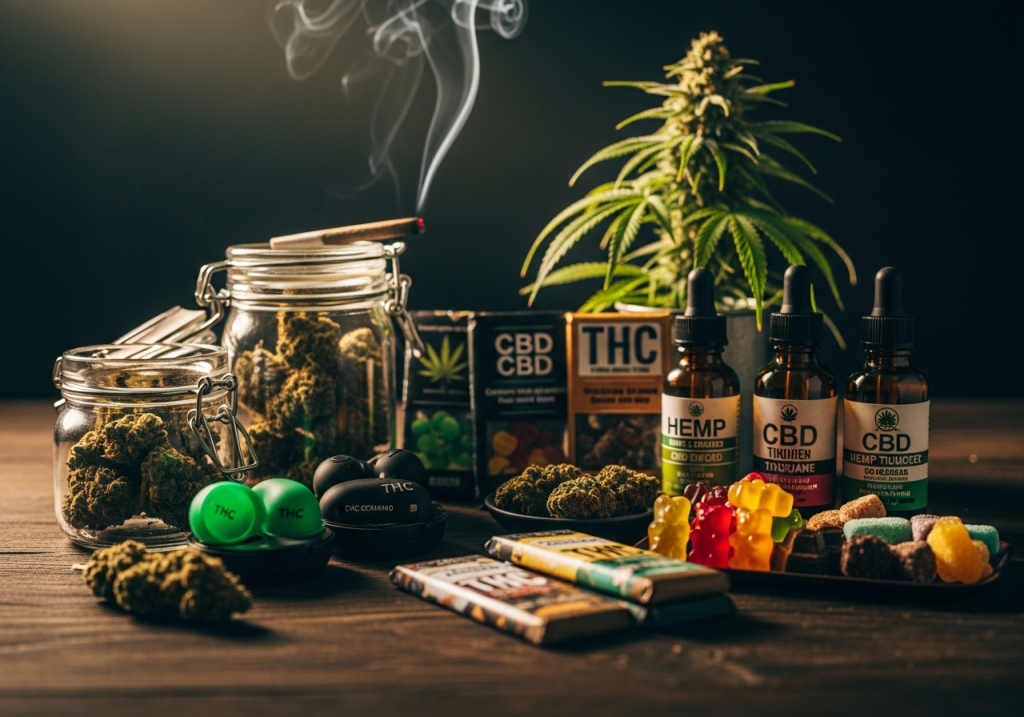
Cannabis contains over 125 different cannabinoids, along with terpenes and other compounds, creating a complex psychoactive profile that varies significantly between products. Understanding the psychoactive properties of different cannabis compounds helps medical patients select products that provide therapeutic benefits with appropriate or minimal intoxication.
THC (Tetrahydrocannabinol)
THC, specifically delta-9-tetrahydrocannabinol, is the primary intoxicating psychoactive cannabinoid in cannabis. It produces the characteristic “high” sensation that most people associate with cannabis use. THC works by binding to CB1 receptors concentrated in the brain and nervous system, mimicking the action of the body’s natural endocannabinoids but with much greater intensity and duration.
Psychoactive Properties of THC include the production of euphoria, a pleasant sense of wellbeing and contentment that many medical patients find therapeutic in itself, particularly for depression or chronic stress. THC alters time perception, making minutes feel much longer, which can be disorienting but also contributes to the relaxed, timeless quality some patients seek.
Short-term memory is impaired while under the influence, making it difficult to retain new information or follow complex conversations. Sensory perception changes, with colors appearing more vivid, music sounding richer, and food tasting more intense. These sensory enhancements contribute to THC’s appetite-stimulating effects. Thought patterns become less linear and more associative, which some find creative and insightful, while others find scattered or confusing.
Intoxication Effects manifest within seconds to minutes when smoking or vaping, and within 30-90 minutes when consuming edibles. During peak intoxication, users experience happiness and relaxation, reduced inhibition and increased sociability (in comfortable settings), altered spatial perception and coordination (making activities like driving dangerous), increased heart rate and dry mouth, red eyes from blood vessel dilation, and in some individuals, especially at high doses, anxiety, paranoia, or panic.
The subjective quality of THC intoxication varies enormously based on dose, individual neurochemistry, previous experience with cannabis, the setting and mindset when consuming, the presence of other cannabinoids and terpenes (the “entourage effect”), and whether THC is combined with other substances.
Medical Benefits of THC are extensive and often inseparable from its psychoactive properties. For pain relief, THC’s binding to CB1 receptors in pain-processing regions of the brain and spinal cord reduces pain signal transmission and alters the subjective unpleasantness of pain. The psychoactive effect of feeling “high” may itself contribute to pain relief by providing mental distraction and improving mood, which influences pain perception. Medical cannabis patients with chronic pain often require THC concentrations of 15-25% for adequate relief.
For appetite stimulation, THC activates appetite centers in the hypothalamus, producing the famous “munchies” effect. This psychoactive property is medically crucial for patients with cachexia (wasting syndrome), eating disorders, chemotherapy-induced appetite loss, or HIV/AIDS-related weight loss. The FDA has approved synthetic THC (dronabinol/Marinol and Syndros) specifically for treating anorexia and weight loss associated with HIV/AIDS and for chemotherapy-induced nausea and vomiting.
For sleep improvement, THC’s sedating properties help patients fall asleep faster and may increase time spent in deep sleep stages. The psychoactive relaxation effect facilitates the mental unwinding necessary for sleep. This is particularly beneficial for insomnia and PTSD-related sleep disturbances and nightmares. However, THC reduces REM sleep, which may be therapeutic for PTSD patients experiencing nightmares but could be problematic with long-term use.
For nausea and vomiting, THC’s interaction with the endocannabinoid system suppresses nausea signals and prevents vomiting. Medical patients undergoing chemotherapy often find cannabis more effective and tolerable than conventional antiemetic medications. The mild psychoactive effects are an acceptable trade-off for relief from debilitating nausea.
For muscle spasticity, particularly in multiple sclerosis and spinal cord injury, THC’s psychoactive muscle-relaxing effects reduce spasms and pain. The combination of physical relaxation and mental relaxation contributes to overall symptom relief.
Find out Which Medical Conditions Can Benefit From THC Patches?
Potency Considerations are crucial for medical patients. Typical medical cannabis flower ranges from 10-30% THC, with beginner patients advised to start with 10-15% products and experienced patients sometimes using 20-30% for severe symptoms. Concentrates (wax, shatter, distillate) can exceed 80-90% THC, requiring much smaller amounts and carrying higher risk of overconsumption. Edibles typically contain 5-10mg THC per serving, with beginners advised to start with 2.5-5mg and experienced patients sometimes using 20-50mg or more.
The dramatic increase in THC potency over recent decades means modern cannabis products require more careful dosing than historical cannabis use. A single high-potency edible can contain as much THC as an entire joint from the 1970s, and concentrates represent an entirely new category of potency requiring updated education and harm reduction approaches.
Individual tolerance to THC’s psychoactive effects varies enormously based on genetics, previous cannabis exposure, body weight and metabolism, presence of food in the stomach (for edibles), and concurrent medications. This variability means medical cannabis dosing must be highly individualized, with patients starting low and gradually increasing until finding their optimal therapeutic dose.
CBD (Cannabidiol)
CBD represents a fundamentally different type of psychoactive substance—one that affects mental processes without producing intoxication or impairment. This makes CBD attractive for medical patients who need therapeutic benefits during work hours or while caring for children, and for those who find THC’s intoxication uncomfortable or anxiety-provoking.
Non-Intoxicating Psychoactive Properties mean CBD affects mental processes including anxiety reduction without euphoria or “high,” mood stabilization and stress resilience improvement, alertness modulation (can be either relaxing or alerting depending on dose and context), pain perception changes without impairment, and enhanced sense of wellbeing without intoxication. The World Health Organization’s Expert Committee on Drug Dependence concluded in 2017 that in its pure state, CBD does not appear to have abuse potential or cause harm. As such, CBD is not scheduled as a controlled substance in its pure form (though cannabis extracts containing CBD remain controlled).
Medical Applications of CBD are extensive and growing as research expands. For epilepsy and seizure disorders, CBD has received FDA approval in the form of Epidiolex for treating seizures associated with Lennox-Gastaut syndrome and Dravet syndrome, two rare and severe forms of epilepsy. Clinical trials showed significant seizure reduction, representing a major breakthrough for patients with treatment-resistant epilepsy. The psychoactive mechanism underlying CBD’s anti-seizure effects isn’t fully understood but involves multiple receptor systems beyond the endocannabinoid system.
For anxiety disorders, CBD demonstrates anxiolytic properties in both animal studies and human trials. Unlike benzodiazepines, CBD doesn’t produce sedation or dependence, making it potentially superior for long-term anxiety management. CBD may work through serotonin receptors, GABA receptors, and by enhancing endocannabinoid signaling. Medical patients with social anxiety, generalized anxiety disorder, and PTSD-related anxiety often report significant benefit from CBD.
For inflammation reduction, CBD’s effects on CB2 receptors and other inflammatory pathways provide anti-inflammatory benefits without the psychoactive effects of THC. This makes CBD valuable for inflammatory conditions like arthritis, inflammatory bowel disease, and autoimmune disorders.
For neuroprotection, emerging research suggests CBD may protect neurons from damage and promote neurogenesis (new neuron formation). This has implications for neurodegenerative diseases like Alzheimer’s and Parkinson’s, stroke recovery, and traumatic brain injury, though more research is needed.
For psychosis reduction, surprisingly, CBD appears to have antipsychotic properties, potentially helping patients with schizophrenia and other psychotic disorders. This is particularly interesting given that high-dose THC can trigger psychotic symptoms in vulnerable individuals—CBD may actually counteract THC’s psychotomimetic effects.
Side Effects of CBD are generally mild but can include drowsiness (particularly at higher doses), decreased appetite (opposite of THC’s effect), gastrointestinal symptoms including diarrhea or nausea in some users, and potential drug interactions through cytochrome P450 enzyme inhibition, affecting metabolism of other medications. Medical patients should consult physicians about potential interactions, particularly with blood thinners, seizure medications, and other drugs metabolized by CYP enzymes.
CBD Product Considerations present challenges for consumers. Studies have found that many CBD products contain different amounts of CBD than their labels claim, with some products containing significantly less CBD than advertised and some products marketed as “CBD” actually containing undisclosed THC, which can cause intoxication and positive drug tests. Third-party lab testing is essential for verifying CBD content and THC absence.
Medical dispensaries typically offer more reliable CBD products with verified potency compared to gas stations, online retailers, or other unregulated sources. CBD derived from hemp (cannabis plants with less than 0.3% THC) is federally legal in the United States, while CBD from marijuana (higher THC cannabis) follows marijuana laws. However, the FDA has not approved CBD for most uses (except Epidiolex), and regulation remains inconsistent.
For medical cannabis patients, CBD offers the opportunity to access psychoactive therapeutic benefits without intoxication. Many patients use CBD during the day for anxiety, pain, and inflammation relief, then switch to THC-containing products at night for sleep. Others use balanced THC:CBD ratios like 1:1, 1:2, or 1:5 to achieve therapeutic benefits from both cannabinoids while CBD moderates THC’s intoxicating effects.
Other Cannabis Cannabinoids
Beyond THC and CBD, cannabis contains many other cannabinoids with varying psychoactive properties, though most are present in much smaller quantities.
CBN (Cannabinol) is mildly psychoactive and forms from THC degradation as cannabis ages. CBN has notable sedating properties, making it popular for sleep products. Many cannabis companies now offer CBN-specific products for insomnia, though research on CBN’s effects is still limited. CBN appears to be about 10% as potent as THC for psychoactive effects.
Delta-8 THC is a naturally occurring cannabinoid that’s psychoactive but reportedly less potent than delta-9 THC (the standard THC). Delta-8 THC products have proliferated in recent years, particularly in states without legal cannabis, because delta-8 exists in a legal gray area. However, delta-8 THC has not been FDA-approved, and there are significant safety concerns. Medical emergencies have been reported from delta-8 THC product consumption, including breathing problems and loss of consciousness. A 2023 survey found that 11% of 12th graders reported using delta-8 THC, indicating widespread youth access despite safety concerns. Limited research exists on delta-8’s health effects, and products may contain harmful contaminants from the chemical synthesis process often used to produce delta-8 in commercial quantities.
THCV, THCP, HHC, and Other Novel Cannabinoids represent emerging products with limited safety research. THCV (tetrahydrocannabivarin) may have appetite-suppressing properties opposite to THC’s munchies effect. THCP (tetrahydrocannabiphorol) is reportedly much more potent than THC, binding more strongly to CB1 receptors. HHC (hexahydrocannabinol) is a hydrogenated form of THC with unclear psychoactive and safety profiles. These cannabinoids have not been evaluated by the FDA, and their long-term effects are unknown. Medical patients are advised to stick with well-researched cannabinoids like THC and CBD rather than experimenting with novel compounds lacking safety data.
Synthetic Cannabinoids (Spice/K2)
Synthetic cannabinoids represent an extreme danger and bear little resemblance to natural cannabis despite the name. These laboratory-created chemicals are designed to bind to cannabinoid receptors, often with much higher potency and different effects than natural cannabis cannabinoids.
Extreme Psychoactive Risks of synthetic cannabinoids include much higher THC-like potency than natural cannabis, unpredictable psychoactive responses varying dramatically between batches and individuals, severe adverse effects including psychosis, violent behavior, seizures, cardiovascular emergencies (heart attacks, strokes), kidney failure, and death. Synthetic cannabinoids have been associated with numerous deaths and thousands of emergency department visits.
The psychoactive effects of synthetic cannabinoids can be terrifying and dangerous, producing severe agitation and paranoia, hallucinations and psychotic breaks from reality, extreme anxiety and panic, loss of consciousness, and violent or self-destructive behavior that’s completely out of character.
Medical Warning: Medical cannabis patients should NEVER use synthetic cannabinoids. These products are not medicine—they’re dangerous chemicals with no quality control, no predictable dosing, and serious health risks. Stick to dispensary-tested natural cannabis products with known cannabinoid content. If someone is seeking legal alternatives to cannabis in prohibition states, the risks of synthetic cannabinoids far outweigh any potential benefits. It’s better to abstain or relocate to a legal state than to use these dangerous substances.
The name “synthetic cannabinoids” is misleading because it suggests these are similar to natural cannabis, when in fact they’re entirely different chemicals with far more dangerous profiles. Public health officials and medical professionals strongly discourage any use of these substances.
Medical and Therapeutic Uses of Psychoactive Substances
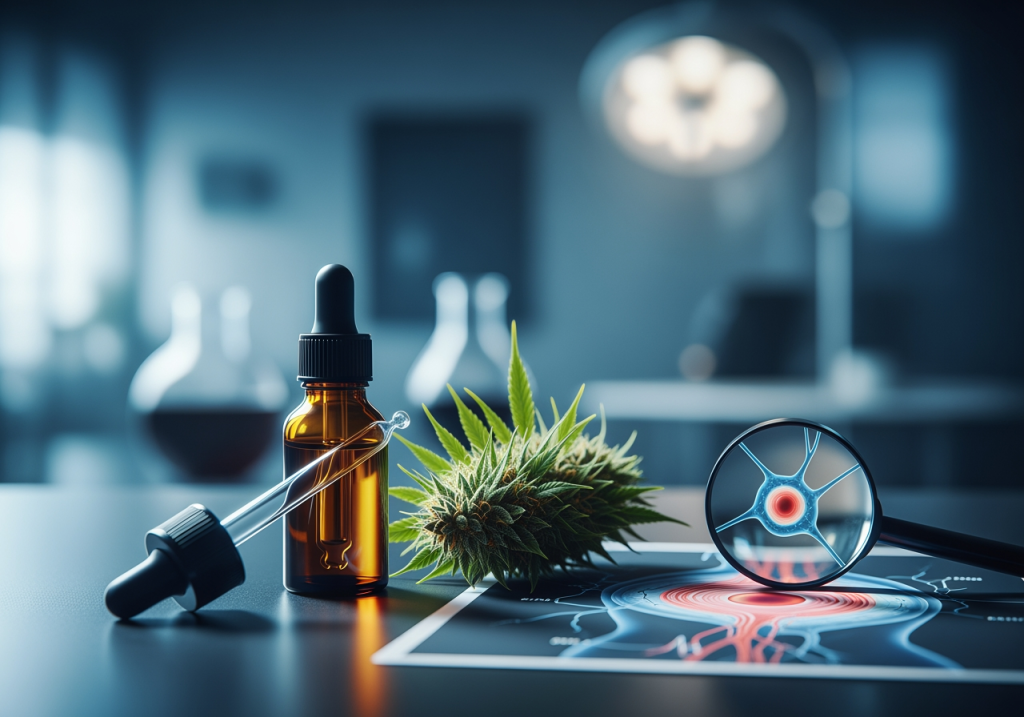
Psychoactive substances play crucial roles in modern medicine, with many conditions requiring psychoactive medications for effective treatment. Understanding the medical applications of various psychoactive drug classes helps contextualize cannabis as part of a broader pharmacological toolkit.
Psychiatric Medications (Psychoactive Drugs for Mental Health)
Psychiatric medications are psychoactive drugs prescribed for managing mental and emotional disorders or challenging behaviors. These medications work by altering brain chemistry to reduce symptoms and improve functioning.
Antidepressants treat clinical depression, dysthymia (persistent depressive disorder), various anxiety disorders, eating disorders, and borderline personality disorder. Major classes of antidepressants include SSRIs, SNRIs, tricyclic antidepressants, and MAOIs. SSRIs, like Prozac, Zoloft, and Lexapro, increase serotonin in the brain. SNRIs, such as Effexor and Cymbalta, affect both serotonin and norepinephrine.
Tricyclic antidepressants are older drugs still used for hard-to-treat depression. MAOIs are rarely used now because of diet restrictions and side effects. However, they can be effective when other treatments do not work.
Antidepressants typically require several weeks of consistent use before psychoactive therapeutic effects become apparent, and they must be taken daily rather than as-needed. This distinguishes them from acute psychoactive substances like cannabis or benzodiazepines that produce immediate effects.
Stimulants for psychiatric purposes primarily treat ADHD (attention deficit hyperactivity disorder) and narcolepsy, and occasionally assist with weight reduction. Medications include amphetamine-based drugs like Adderall and Vyvanse, and methylphenidate-based drugs like Ritalin and Concerta. These psychoactive stimulants improve focus and attention, reduce hyperactivity and impulsivity in ADHD patients, and help narcolepsy patients maintain wakefulness.
For individuals with ADHD, stimulants paradoxically have a calming effect on behavior while improving cognitive performance. This demonstrates how psychoactive effects depend on individual neurobiology—the same drug that makes most people jittery and energized helps ADHD patients feel focused and calm.
Antipsychotics treat psychotic symptoms such as hallucinations, delusions, and disorganized thinking associated with schizophrenia, severe mania, or psychotic depression. They can also serve as adjuncts to relieve treatment-resistant depression. First-generation (typical) antipsychotics like haloperidol work primarily by blocking dopamine receptors, often causing movement side effects. Second-generation antipsychotics, such as Abilify, Risperdal, and Seroquel, impact both dopamine and serotonin systems. They cause fewer movement side effects but have a higher risk of metabolic issues, like weight gain and diabetes.
Antipsychotics are powerful psychoactive drugs that fundamentally alter perception and cognition. While they reduce psychotic symptoms, they also produce significant side effects that can impact quality of life.
Mood Stabilizers treat bipolar disorder and schizoaffective disorder, preventing both manic and depressive episodes. Lithium is the classic mood stabilizer with well-established efficacy but requiring careful monitoring of blood levels. Anticonvulsants like valproic acid and lamotrigine have mood-stabilizing properties. Some antipsychotics are also used as mood stabilizers. These psychoactive medications help regulate mood fluctuations and prevent extreme emotional states.
Anxiolytics specifically target anxiety, as discussed earlier. In mental health settings, these include benzodiazepines for sudden anxiety and panic. Buspirone is used for general anxiety. SSRIs are the first choice for treating anxiety. Beta-blockers help with physical anxiety symptoms and performance anxiety.
Depressants/Hypnotics are used at varying doses for different purposes: low doses for anxiolytic effects, moderate doses for sedation and sleep, and high doses for anesthesia. Common hypnotics include benzodiazepines, Z-drugs like Ambien (zolpidem) and Lunesta (eszopiclone), and sedating antidepressants like trazodone.
Pain Management Applications
Psychoactive substances are central to pain management, with opioids being the most powerful but also most problematic class.
Opioid Analgesics work through the endogenous opioid peptide system to regulate the subjective experience of pain. They’re used for moderate to severe pain including post-surgical pain, cancer pain, palliative care, acute injuries like fractures, and chronic pain (though this use has become more restricted due to addiction concerns).
The psychoactive effects of opioids are inseparable from their analgesic properties—both involve activation of the same receptors. The euphoria and sense of wellbeing that opioids produce are part of how they make pain more bearable, even when they don’t completely eliminate pain sensations. However, this psychoactive pleasure response also drives addiction, creating a challenging balance for pain management.
Current medical practice focuses on using the lowest effective dose of opioids for the shortest time needed. It also combines opioids with non-opioid pain medications, known as multimodal analgesia. Doctors screen for addiction risk factors before prescribing opioids. They monitor patients closely using prescription drug monitoring programs. Additionally, they consider alternatives like cannabis for managing chronic pain.
Cannabis for Pain Management represents an alternative or complement to opioid therapy. Research shows that cannabis can help with chronic pain. This includes nerve damage pain, cancer pain, and pain that doesn’t respond to regular treatments. THC helps relieve pain in several ways. It activates CB1 receptors in areas that process pain. It also distracts from pain by changing consciousness. THC can lift mood, which reduces the emotional stress of chronic pain. Additionally, it relaxes muscles in conditions with pain and spasticity.
Many patients find that cannabis helps them cut down or stop using opioids. However, more research is needed to find the best methods. States with medical cannabis programs have seen reductions in opioid prescribing and overdose deaths, suggesting cannabis may play a role in addressing the opioid crisis.
Non-Opioid Psychoactive Pain Relief includes ketamine for severe pain and hard-to-treat depression. It is given in special clinics through IV infusion or nasal spray (Spravato). NMDA receptor antagonists change how we feel pain. There is also research on psychedelic-assisted therapy. This explores psilocybin and MDMA for chronic pain, especially when pain is linked to PTSD or depression.
NSAIDs like aspirin and ibuprofen provide pain relief with minimal psychoactive effects, working through cyclooxygenase enzyme inhibition to reduce prostaglandin production and inflammation. These are first-line treatments for mild to moderate pain without the risks of psychoactive substances.
Anesthesia Applications
General anesthetics are psychoactive drugs used to block physical pain and other sensations during medical procedures. They induce unconsciousness, allowing patients to undergo surgery without experiencing physical pain or forming traumatic memories of the procedure.
Anesthetics work through multiple mechanisms targeting GABA and NMDA systems. Propofol is a GABA agonist producing rapid unconsciousness for surgery and procedures. Ketamine is an NMDA receptor antagonist with dissociative and analgesic properties, used alone for minor procedures or combined with other agents for general anesthesia. Volatile anesthetics like sevoflurane affect both GABA and NMDA systems. Benzodiazepines like midazolam provide sedation and amnesia as part of anesthetic protocols.
The psychoactive effects of anesthetics—producing unconsciousness and amnesia—are precisely what makes them valuable medically. This illustrates how psychoactive properties aren’t inherently problematic; rather, context and control determine whether psychoactive effects are therapeutic or harmful.
Addiction Treatment Using Psychoactive Substances
Paradoxically, psychoactive substances are often the most effective treatments for addiction to other psychoactive substances—a harm reduction approach that recognizes addiction as a chronic medical condition requiring ongoing management.
Opioid Use Disorder Treatment mainly uses methadone maintenance therapy. In this therapy, patients get daily doses of methadone. Methadone is a long-acting opioid given at special clinics. This treatment helps stop withdrawal and cravings. It also blocks the high from other opioids. Buprenorphine (Suboxone, Subutex) is a partial opioid agonist that can be prescribed by certified physicians for take-home use, providing more flexibility than methadone programs. Naltrexone (Vivitrol) is an opioid antagonist blocking the effects of opioids, used after detoxification to prevent relapse.
These medication-assisted treatments dramatically improve outcomes compared to abstinence-only approaches. The psychoactive properties of methadone and buprenorphine, satisfying opioid receptors without producing intense euphoria, allow patients to stabilize their lives while avoiding the chaos of illicit opioid use.
Alcohol Use Disorder Treatment includes acamprosate, which reduces cravings by normalizing glutamate and GABA activity disrupted by chronic alcohol use; naltrexone, which reduces alcohol’s rewarding effects by blocking endorphin release; and disulfiram (Antabuse), which causes severe nausea if alcohol is consumed, providing aversion conditioning.
Emerging Psychedelic Treatments for Addiction show remarkable promise. Ibogaine, a powerful psychedelic from an African shrub, has shown dramatic effects in interrupting opioid addiction, with some patients reporting elimination of withdrawal symptoms and cravings after a single session. However, ibogaine is illegal in most countries and carries cardiac risks, requiring medical supervision. Psilocybin therapy for alcohol use disorder has shown significant reductions in drinking in clinical trials, with effects lasting months after 2-3 treatment sessions. MDMA-assisted therapy for addiction-related trauma addresses underlying emotional wounds that often drive substance use.
These psychedelic methods are different from maintenance therapy. Instead of replacing one drug with another for a long time, they use strong psychoactive experiences. These experiences help people have psychological breakthroughs that lead to lasting changes in behavior.
Performance Enhancement
Psychoactive substances are used for athletic performance, cognitive enhancement, and military applications, though many such uses are controversial or prohibited.
Athletic Performance Enhancement includes banned stimulants like amphetamines. These help with endurance, focus, and delaying fatigue. Caffeine, when taken in high doses, can improve reaction time and endurance. It is legal and widely used. Anabolic steroids are not usually psychoactive but are often used with other drugs. Some athletes use cannabis for pain relief, reducing inflammation, and managing anxiety. However, its use is banned in some sports leagues.
Cognitive Enhancement includes so-called “smart drugs” or nootropics. Students sometimes misuse ADHD medications like Adderall for improved academic performance, staying awake for studying, and enhanced focus during exams. Modafinil (Provigil), prescribed for narcolepsy, is used off-label for cognitive enhancement. Caffeine remains the most common legal cognitive enhancer. These psychoactive substances do enhance certain cognitive functions in the short term but carry risks including addiction, cardiovascular strain, disrupted sleep, and dependence on drugs for normal functioning.
Military Applications of psychoactive substances have a long history. Amphetamines have been used by militaries worldwide to enhance alertness during extended operations, suppress hunger and fatigue, and improve reflexes and decision-making. The Finnish soldier Aimo Koivunen survived an accidental methamphetamine overdose during WWII, skiing over 250 miles while hallucinating. Modern militaries use modafinil for sustained alertness with less addiction risk than amphetamines. Alcohol has historically been called “liquid courage,” used to prepare troops for battle and as a coping mechanism for combat stress.
The use of psychoactive substances for performance enhancement raises ethical questions about fairness, safety, and the pressure to use drugs to remain competitive. In medical contexts, the focus should be on using psychoactive substances to restore normal functioning rather than to enhance performance beyond baseline.
Emerging Psychedelic Therapy
The renaissance of psychedelic therapy represents one of the most exciting developments in psychoactive medicine, with substances long prohibited for any use showing remarkable therapeutic potential.
PTSD Treatment with MDMA has advanced furthest through the regulatory process. Phase 3 clinical trials showed that MDMA-assisted psychotherapy produced clinically significant PTSD symptom reduction in 67% of participants, compared to 32% in the placebo group, with effects lasting at least a year after just 2-3 MDMA sessions combined with therapy. The FDA granted MDMA breakthrough therapy designation, and approval is anticipated in the coming years.
The treatment plan includes preparation sessions with therapists. It also has 2-3 full-day MDMA sessions that last over 8 hours. These sessions come with therapeutic support. Finally, there are integration sessions to help process insights and strengthen therapeutic gains. MDMA has special effects that help patients face traumatic memories. It allows them to do this without feeling too much fear. This makes it easier to process emotions, which can be hard or even impossible with regular therapy alone.
Depression and Anxiety Treatment with Psilocybin has shown remarkable results in trials for treatment-resistant depression, with some patients experiencing relief after a single session. For end-of-life anxiety in terminal cancer patients, psilocybin therapy reduces existential distress and improves quality of life in remaining months. The mystical or spiritual psychoactive experiences many patients report appear to correlate with therapeutic benefits, suggesting the profound altered state of consciousness itself contributes to healing.
Legal Status and Availability of psychedelic therapy remains limited. These substances are controlled in most countries, making them unavailable outside clinical trials with few exceptions. Oregon allows licensed psilocybin services for adults 21+. Colorado voters approved similar psilocybin services. Some cities have decriminalized psychedelics, though this doesn’t create legal access to therapy.
For medical cannabis patients, psychedelic therapy represents a complementary but distinct approach. Cannabis provides ongoing symptom management with daily use, while psychedelics offer intensive transformative experiences in limited sessions. Both challenge the assumption that psychoactive effects are problematic side effects rather than integral to therapeutic action.
Frequently Asked Questions
What does psychoactive mean in cannabis?
Psychoactive means a substance affects your mental processes by altering brain chemistry and central nervous system activity. In cannabis, both THC and CBD are psychoactive, but they work very differently. THC is intoxicating; it produces the “high” sensation, alters perception, and impairs coordination. CBD is psychoactive but non-intoxicating; it affects mood, anxiety, and pain perception without causing a “high” or impairment. When you receive your medical marijuana card, dispensary staff will help you choose products with psychoactive profiles appropriate for your condition and tolerance level.
Are all psychoactive substances dangerous or addictive?
No, psychoactive substances vary dramatically in their safety profiles and addiction potential. Many psychoactive substances are safe and beneficial when used appropriately, including prescription medications taken as directed, caffeine in moderate amounts (consumed by 90% of North American adults daily), and medical marijuana under physician guidance. The risk depends on the specific substance, dosage, frequency of use, individual factors like genetics and mental health, and whether the substance is used for legitimate medical purposes or recreationally.
Can I drive or work after using psychoactive cannabis?
No, you should never drive or operate machinery while impaired by psychoactive cannabis. Even with a medical marijuana card, driving under the influence of cannabis is illegal and dangerous. Cannabis impairs reaction time, coordination, judgment, and decision-making, all critical for safe driving. Studies show cannabis is the most frequently found drug in the blood of drivers involved in crashes, including fatal ones, and research confirms increased crash risk after cannabis use.
Get Approved for Your Medical Marijuana Card in Minutes!

-
National Cancer Institute. (n.d.). Psychoactive substance. In NCI Dictionary of Cancer Terms. Retrieved from https://www.cancer.gov/publications/dictionaries/cancer-terms/def/psychoactive-substance Cancer.gov
-
World Health Organization. (n.d.). Drugs: Psychoactive substances. Retrieved from https://www.who.int/health-topics/drugs-psychoactive#tab=tab_1 World Health Organization+1
-
“Psychoactive drug.” (n.d.). In Wikipedia. Retrieved from https://en.wikipedia.org/wiki/Psychoactive_drug Wikipedia
-
“Cannabinoid.” (n.d.). In Merriam-Webster.com dictionary. Retrieved from https://www.merriam-webster.com/dictionary/cannabinoid Merriam-Webster
-
“Types of psychoactive drugs.” (n.d.). Medical News Today. Retrieved from https://www.medicalnewstoday.com/articles/types-of-psychoactive-drugs (Note: you might want to add an author name if available in the article)
-
“New psychoactive substances.” (n.d.). Alcohol and Drug Foundation. Retrieved from https://adf.org.au/drug-facts/new-psychoactive-substances/ drugsandalcohol.ie+1
-
Volkow, N. D., & Koob, G. F. (2018). Drugs, brains, and behavior: The science of addiction. National Institute on Drug Abuse (NIDA). Retrieved from https://nida.nih.gov/publications/drugs-brains-behavior-science-addiction/drugs-brain sdiopr.s3.ap-south-1.amazonaws.com+1
-
“What is CBD used for? Uses & side effects.” (n.d.). MedicineNet. Retrieved from https://www.medicinenet.com/what_is_cbd_used_for/article.htm MedicineNet
-
“The impact of cannabidiol on psychiatric and medical conditions.” (2020). Frontiers in Pharmacology. https://doi.org/…
-
World Health Organization. (n.d.). Alcohol, drugs and addictive behaviours: Psychoactive substances. Retrieved from https://www.who.int/teams/mental-health-and-substance-use/alcohol-drugs-and-addictive-behaviours/terminology World Health Organization+1
-
Kirshenbaum, A. D., & Henningfield, J. E. (2023). Neuroscience of Psychoactive Substance Use and Dependence. World Health Organization. World Health Organization
-
National Institute on Drug Abuse. (n.d.). What are CNS depressants? Retrieved from https://nida.nih.gov/publications/research-reports/prescription-drugs/cns-depressants/what-are-cns-depressants nida.nih.gov
-
Volkow, N. D., & Koob, G. F. (2018). Drugs, brains, and behavior: The science of addiction. National Institute on Drug Abuse. irp.nida.nih.gov
-
Tzschentke, T. M., & Christoph, T. (2003). The mechanistic classification of addictive drugs. Addiction Biology, 8(3), 213–220. https://doi.org/10.1080/13556210310001603496 PMC
-
United States Department of Health & Human Services. (n.d.). Illicit drug dependence. In Mental, Neurological, and Substance Use Disorders. NCBI Bookshelf. NCBI
-
American Psychological Association / OpenStax. (n.d.). Psychoactive substance use and misuse. In Introduction to Psychology. OpenStax.
Our Commitment to Medical Accuracy
At Leafy DOC, every piece of content is created with care and reviewed by licensed medical professionals. Our experts ensure that health information is not only evidence-based but also easy to understand and practical for everyday life. We regularly update our resources to reflect the latest research, so you can make informed decisions about your wellness journey with confidence.
Reviewed by
Dr. Hannah Russo, MD, MPH
Dr. Hannah Russo is an internal medicine doctor and public health advocate with extensive experience in telemedicine and cannabis education. Her work bridges clinical practice and digital health, ensuring that patients receive safe, informed, and convenient care. She is passionate about expanding access to natural, evidence-based therapies for chronic conditions.

Written by :
Nida Hammad
Last Updated :
December 3, 2025
Related Terms From The Cannabis Glossary
-

Sativa
Breaking down Sativa’s energizing effects, medical benefits, and how Sativa differs from Indica. -
Topicals
Discover tropical cannabis pain relief benefits, skin care applications, and how to use CBD and THC creams safely. Get your medical card today. -
indica
Learn what indica means for medical marijuana patients. Discover relaxation benefits, pain relief properties, and how indica strains treat chronic conditions. -
Hemp
Learn hemp vs marijuana differences, CBD benefits, industrial uses, cultivation, and how hemp supports medical cannabis treatment without intoxication. -
Cannabinoids
Learn what Cannabinoids mean for medical patients. Discover benefits, side effects, proper dosing, and which conditions Cannabinoids treat. -
Terpenes
Learn what terpenes mean for medical marijuana patients. Discover therapeutic effects, entourage benefits, major cannabis terpenes, and how they enhance treatment. -
Marijuana
Comprehensive marijuana guide: medical benefits, side effects, dosing, hemp vs marijuana differences, and how to get your medical card. -
CBD
Learn what CBD means for medical patients. Discover effects, benefits, proper dosing, and which conditions CBD treats. -
THC
Learn what THC is, how it works, and its key medical uses. Discover THC’s effects, health benefits, dosing tips, and safety guidelines.