
THC

by Nida Hammad
Last updated: December 3, 2025
Verified and Approved by:
Angela Morris,
MSW, LCSW
Fact Checked


-
THC is the main psychoactive compound in cannabis responsible for the “high” and many medical benefits.
-
It interacts with CB1 receptors in the brain to ease pain, boost appetite, and reduce nausea.
-
Heating or aging cannabis activates THC from its raw form, THCA.
-
Medical marijuana products typically contain 10–30% THC for symptom relief.
-
THC provides therapeutic effects for chronic pain, cancer symptoms, insomnia, and PTSD.
-
Low doses promote relaxation and mood elevation, while higher doses may cause memory effects or drowsiness.
-
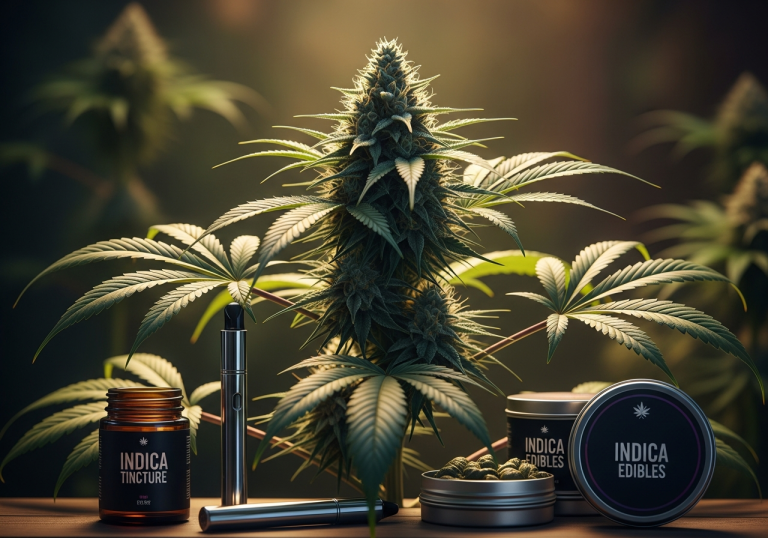
Different consumption methods, smoking, vaping, edibles, or tinctures, affect onset and duration.
-
Starting with small doses (2.5–5mg) helps avoid overconsumption and side effects.
-
Synthetic THC medicines like dronabinol and nabilone treat chemotherapy-induced nausea.
-
THC’s fat-soluble nature allows it to remain in the body longer than water-soluble compounds.
-
Patients with a medical marijuana card can access higher-THC products, expert guidance, and lower taxes.
-
THC differs from CBD by producing psychoactive effects, though both can work together for balance.
-
Always use THC responsibly, avoid driving while high and store products securely.
THC : Effects, Benefits & Medical Uses
THC or tetrahydrocannabinol is the main psychoactive compound in cannabis. It produces the “high” feeling while delivering important medical benefits. THC works with CB1 receptors in your brain and nervous system.
Understanding THC is important for medical marijuana patients because its strength influences both therapeutic outcomes and the level of psychoactive effects experienced. Once you obtain your medical marijuana card, you can access regulated THC products through licensed dispensaries.
Staff there help you pick the right THC levels for your condition and tolerance. You might need relief from chronic pain, appetite loss, or trouble sleeping. Knowing about THC helps you choose the best treatment.
What is THC?
THC Definition
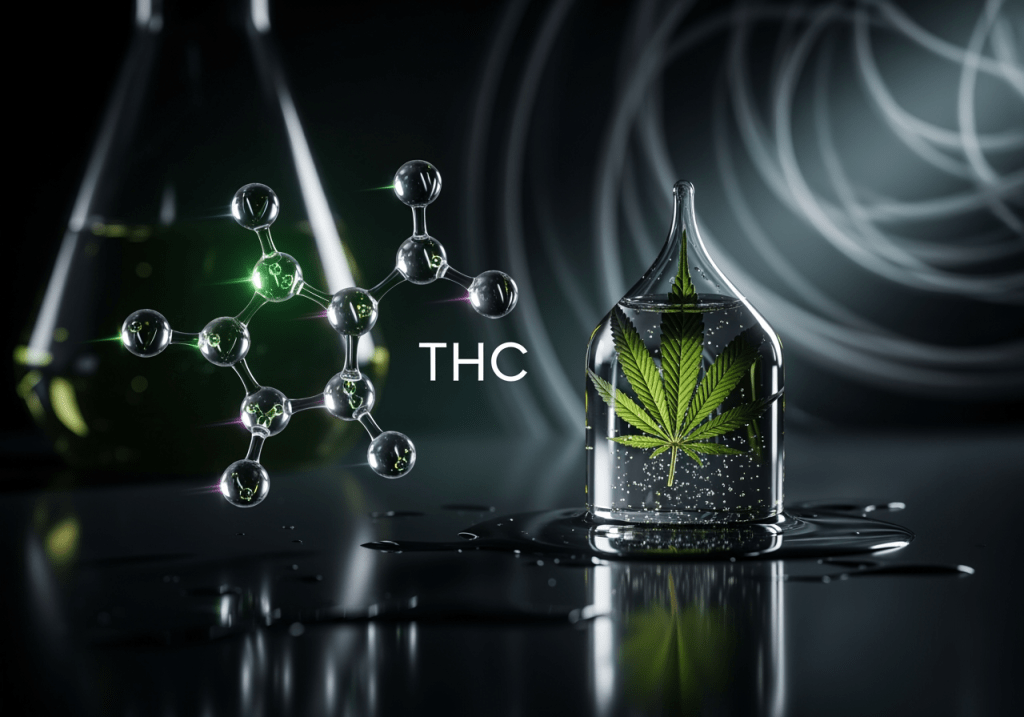
THC is a natural compound found in the Cannabis sativa plant. Scientists Raphael Mechoulam and Yehiel Gaoni first isolated it in 1964. The cannabis plant makes over 113 different cannabinoids.
THC stands out because it causes the psychoactive effects people associate with marijuana.
The chemical formula for THC is C₂₁H₃₀O₂ made from different chemical parts. THC does not dissolve in water, but it mixes well with fats and oils.
THC stays in your body’s fat tissues for a long time because it is fat soluble. This is why it remains in your system longer than drugs that dissolve in water.
Cannabis plants make THCA, which is the natural and inactive form of THC. When you heat or age cannabis, THCA changes into active THC.
We call this change decarboxylation. Raw cannabis does not produce a high because its THC remains inactive. Heating cannabis through smoking, vaping, or cooking activates the THC, allowing it to produce psychoactive effects.
The cannabis plant produces THC as a defense mechanism. Scientists believe THC protects the plant from insects, UV light damage, and environmental stress.
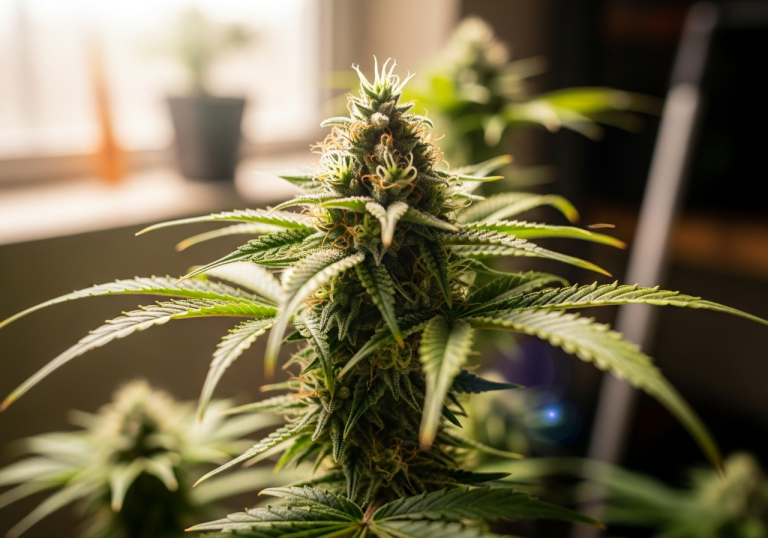
The female plant concentrates the resin glands that produce THC around its flowers. This is why cannabis buds contain the highest THC levels.
Key Facts About THC:
- Pure THC looks like a colorless oil
- It’s the main psychoactive compound in cannabis
- Binds to CB1 and CB2 cannabinoid receptors in your body
- Fat-soluble molecule that stores in fatty tissue
- Breaks down into cannabinol (CBN) when exposed to air and light
- Delta-9-THC is the most common form studied by researchers
- Over 30 different THC variants exist but delta-9 is most prevalent
What Makes THC Different From Other Cannabinoids?
Cannabis contains many cannabinoids, but THC has unique properties. Unlike CBD , THC produces intoxicating effects. This happens because THC strongly binds to CB1 receptors in your brain. These receptors control mood, memory, appetite, and pain perception.
Other cannabinoids like CBG (cannabigerol) and CBC (cannabichromene) don’t bind as strongly to CB1 receptors. That’s why they don’t cause a “high” feeling. THC’s strong CB1 binding makes it both psychoactive and medically valuable.
The strength of cannabis depends on THC concentration. Hemp plants contain less than 0.3% THC by law. These plants won’t get you high. Medical marijuana typically contains 10-30% THC. Some concentrated products reach 70-90% THC. Higher percentages produce stronger effects.
Different cannabis strains contain varying THC levels. Cultivators breed plants specifically for high or low THC content. Lab testing measures exact THC percentages. This helps patients know what they’re getting from dispensaries.
How THC Relates to Medical Marijuana
Medical marijuana patients interact with tetrahydrocannabinol thc every time they use cannabis products. THC is the primary compound responsible for both medical benefits and psychoactive effects.
Understanding THC strength, effects, and proper dosing helps patients get symptom relief. It also prevents overwhelming psychoactive side effects that might interfere with daily activities.
Medical Applications:
THC provides multiple therapeutic benefits for medical cannabis patients:
1. Pain Management
THC binds to CB1 receptors throughout your nervous system. This reduces pain signal transmission in your body. THC works effectively for many pain types. Chronic pain from arthritis, back injuries, or fibromyalgia responds well to THC. Neuropathic pain caused by nerve damage also improves with THC treatment.
Cancer patients often experience severe pain from tumors or treatments. THC provides relief comparable to some pharmaceutical pain medications.
The difference is THC has a different safety profile. You can’t fatally overdose on THC like you can with opioids.
Research shows THC activates pain-reducing pathways in the spinal cord and brain. It also reduces inflammation that contributes to pain. Many patients find THC allows them to reduce or eliminate opioid pain medications.
This matters because opioids carry serious addiction and overdose risks.
2. Appetite Stimulation
THC activates appetite centers in the hypothalamus region of your brain. This triggers hunger signals even when you don’t feel like eating. The effect is so reliable people call it “the munchies.”
This appetite boost helps patients with serious conditions. HIV/AIDS patients often develop wasting syndrome. They lose dangerous amounts of weight and muscle. THC stimulates appetite so they can maintain a healthy body weight.
Cancer patients undergoing chemotherapy often can’t eat due to nausea. THC helps them regain appetite between treatment sessions.
The FDA has approved synthetic THC (dronabinol/Marinol) specifically for AIDS-related appetite loss. Doctors prescribe it when patients can’t maintain adequate nutrition. THC not only increases hunger but also makes food taste better. This encourages patients to eat more nutritious meals.
Eating disorders like anorexia nervosa might benefit from THC therapy. Research is still ongoing in this area. Some studies show promise for THC helping patients overcome food aversion.
3. Nausea and Vomiting Relief
THC effectively stops nausea and vomiting through CB1 receptors in the brainstem. This brain area controls the vomiting reflex. THC dampens signals that trigger nausea.
Chemo causes severe nausea and vomiting in many cancer patients. Standard anti-nausea drugs don’t work often. THC provides relief when other medications fail. The FDA has approved two synthetic THC medications (dronabinol and nabilone) specifically for chemotherapy-induced nausea.
Studies show THC works better than older anti-nausea drugs like prochlorperazine. Patients report fewer episodes of vomiting when using THC. They also feel less nauseated between vomiting episodes. This allows them to complete full chemotherapy treatment plans.
Motion sickness, morning sickness, and digestive disorders also cause nausea. THC might help these conditions too. More research is needed to confirm effectiveness for non-cancer nausea.
4. Sleep Disorders
THC’s sedating properties help patients fall asleep faster. It also increases total sleep duration through the night. Higher THC concentrations typically produce stronger sedation.
Insomnia affects millions of people worldwide. THC reduces the time it takes to fall asleep. It also decreases how often you wake up during the night. Many patients report deeper, more restful sleep with THC.
PTSD patients often experience nightmares and sleep disturbances. THC reduces nightmare frequency and intensity. This allows trauma survivors to get adequate rest. Better sleep improves daytime functioning and mental health.
Sleep apnea is a condition where breathing stops during sleep. Early research suggests THC might stabilize breathing patterns. This could help sleep apnea patients. More studies are needed to confirm these benefits.
THC affects sleep architecture by reducing REM sleep. REM is the stage where most dreaming occurs. Researchers do not fully understand the long-term effects of reduced REM sleep. However, long-term effects of reduced REM sleep aren’t fully understood.
5. Muscle Spasm and Spasticity
THC helps relieve involuntary muscle spasms and spasticity. These symptoms occur in multiple sclerosis, spinal cord injuries, and cerebral palsy. Muscle spasms cause pain and interfere with movement.
The medication Sativex (nabiximols) contains both THC and CBD. It’s approved in many countries for MS-related spasticity. Patients report reduced muscle tightness and improved mobility. They can perform daily activities more easily.
THC works by relaxing overactive muscles. It reduces nerve signals that cause involuntary contractions. This provides both comfort and functional improvement.
Tremors from Parkinson’s disease might improve with THC. Some patients report reduced shaking after cannabis use. Research in this area is still preliminary.
6. Neuroprotective Properties
THC possesses antioxidant activity that protects brain cells. It guards neurons against oxidative stress damage. Oxidative stress contributes to neurodegenerative diseases like Alzheimer’s and Parkinson’s.
THC also protects against glutamate-induced excitotoxicity. Glutamate is a brain chemical that can damage neurons in excess amounts. Strokes and traumatic brain injuries cause glutamate surges. THC might reduce brain damage in these situations.
Research shows THC reduces brain inflammation. Chronic inflammation contributes to cognitive decline and dementia. By reducing inflammation, THC might slow disease progression.
Some studies suggest THC stimulates neurogenesis. This means it might help grow new brain cells. The hippocampus (memory center) might particularly benefit. However, more human studies are needed to confirm these effects.
7. Glaucoma Treatment
Glaucoma causes increased pressure inside the eye. This pressure damages the optic nerve and causes blindness. THC temporarily reduces intraocular pressure.
The effect lasts about 3-4 hours after THC use. Patients would need frequent dosing throughout the day. This makes THC less practical than conventional glaucoma medications. However, THC provides an alternative when other treatments fail.
Research into THC for glaucoma continues. Scientists are developing eye drops containing THC. This would deliver medication directly to the eye. It would bypass systemic effects and psychoactivity.
8. Anti-Inflammatory Effects
THC reduces inflammation through CB2 receptor activation. Inflammation contributes to many chronic diseases. Arthritis, Crohn’s disease, and ulcerative colitis involve chronic inflammation.
By reducing inflammation, THC provides symptom relief. Joint swelling decreases in arthritis patients. Intestinal inflammation improves in inflammatory bowel disease. This reduces pain and improves quality of life.
THC’s anti-inflammatory properties might benefit autoimmune conditions. Conditions like lupus, rheumatoid arthritis, and multiple sclerosis involve overactive immune systems. THC might help calm excessive immune responses.
9. Anxiety and PTSD
Low doses of THC can reduce anxiety. It promotes relaxation and calm feelings. Many patients report reduced stress and worry.
However, high THC doses can increase anxiety and paranoia. Finding the right dose is crucial for anxiety treatment. Many patients prefer THC:CBD combinations for anxiety. CBD counteracts THC’s anxiety-producing effects at high doses.
PTSD involves severe anxiety, flashbacks, and hypervigilance. THC helps reduce PTSD symptoms in many patients. It improves sleep, reduces nightmares, and decreases anxiety. Some veterans report THC allows them to function normally again.
Clinical Perspective:
Medical cannabis physicians consider many factors when recommending THC products. Your specific condition matters. Chronic pain patients often need 15-25% THC products. Anxiety patients might prefer 5-10% THC balanced with CBD.
Your prior cannabis experience also matters. First-time users should start with very low doses (2.5-5mg THC). This assesses tolerance before increasing. Experienced patients might need higher doses for therapeutic effects.
Age affects THC sensitivity. Older patients typically need lower doses. They’re more susceptible to side effects like confusion and falls. Younger patients often tolerate higher doses better.
Body weight and metabolism influence dosing. Larger individuals generally need higher doses. Fast metabolizers process THC quickly and might need more frequent dosing. Your physician considers all these factors when creating your treatment plan.
THC and Your Medical Marijuana Card
Once you receive your THC medical marijuana card, you gain legal access to THC products. Licensed dispensaries in your state carry lab-tested cannabis. You’ll know the exact THC content before purchasing. Medical dispensaries offer more product selection than recreational markets. They also provide expert guidance from trained staff.
What You Can Access:
Your medical card provides several important benefits:
Higher THC Limits: Many states allow medical patients to purchase stronger products than recreational users. Recreational limits might cap THC at 10mg per edible serving. Medical patients can access 50mg or 100mg servings. This matters for patients needing high doses for symptom control.
Expert Medical Guidance: Medical dispensaries employ budtenders trained in cannabis therapeutics. They understand different conditions and appropriate treatments. They can recommend specific THC:CBD ratios for your symptoms. They also help you understand different consumption methods.
Detailed Lab Testing: Medical cannabis undergoes rigorous testing. Labs measure THC percentages, other cannabinoids, and terpenes. They also test for contaminants like pesticides, mold, and heavy metals. You receive certificates of analysis showing exactly what’s in your medicine.
Lower Taxes: Medical cannabis is taxed at lower rates than recreational in most states. This can save you hundreds of dollars yearly. Some states exempt medical cannabis from sales tax entirely.
Higher Purchase Limits: Medical patients can buy more cannabis per transaction. This ensures you maintain adequate medicine supply. Recreational limits are typically much lower.
Legal Protections: Medical marijuana cardholders receive protections under state law. These vary by state but often include housing and employment protections. Some states prohibit discrimination against medical cannabis patients.
Specialized Products: Medical dispensaries carry products designed for serious conditions. Extended-release capsules provide all-day relief. Transdermal patches deliver steady THC over 12 hours.
Suppositories help patients who can’t take oral medications. These specialized products aren’t usually available recreationally.
Priority Access: Some dispensaries give medical patients priority or separate checkout lanes. This respects the medical nature of your purchase.
Home Cultivation: Many medical states allow patients to grow cannabis at home. Recreational users might not have this right. Growing your own ensures supply and reduces costs.
Getting your medical marijuana card is simple with Leafy DOC. Our licensed physicians serve patients in all medical cannabis states. Appointments are 100% online through secure telemedicine. Most evaluations take just 10-15 minutes.
Our doctors will review your medical history and qualifying condition. They’ll answer questions about THC therapy. You’ll receive personalized recommendations for products and dosing.
Upon approval, you get your physician certification immediately. You can then apply for your state medical card.
We offer same-day approval for most patients. Our fees are transparent with no hidden costs. We also provide ongoing support after your evaluation.
Effects & Benefits of THC

THC produces wide-ranging effects throughout your body and mind. Effects begin within different timeframes depending on consumption method. Inhaled THC works within seconds to minutes. Oral THC takes 30-90 minutes to feel effects.
Physical THC Effects:
THC creates numerous physical sensations and changes:
Pain Relief: THC effectively reduces pain throughout your entire body. It works on chronic pain that lasts months or years. Acute injury pain also responds to THC.
The pain relief begins within minutes of inhalation. Oral consumption provides longer-lasting relief of 6-8 hours.
Muscle Relaxation: Your muscles feel looser and less tense with THC. Muscle spasms stop or reduce significantly. This helps conditions like multiple sclerosis, cerebral palsy, and spinal injuries. Athletes use THC for muscle recovery after intense workouts.
Reduced Inflammation: THC lowers inflammation markers in the blood. Swollen joints shrink, inflamed intestines heal in Crohn’s disease, and skin irritation improves in conditions like psoriasis.
Improved Sleep Quality: THC helps you fall asleep faster and stay asleep longer. Your sleep becomes deeper and more restful, leaving you feeling refreshed in the morning.
Lower Eye Pressure: THC reduces fluid pressure inside the eyes for about 3–4 hours. Glaucoma patients use it to protect the optic nerve from damage.
Increased Appetite: THC stimulates hunger and makes food taste more appealing. This benefits patients who have lost appetite due to illness, making meals more enjoyable.
Bronchodilation: Low doses of THC open airways in the lungs, making breathing easier. This may help with asthma symptoms. Vaporizing is better than smoking, which can irritate the lungs.
Reduced Nausea: THC decreases queasiness and the urge to vomit. Many patients experience full relief from nausea.
Cardiovascular Effects: THC can increase heart rate and slightly lower blood pressure. Blood vessels widen, which may cause red eyes. These effects are usually mild in healthy individuals.
Physical Relaxation: THC relaxes muscles and eases tension. Some people feel heavy or tingly, while others feel light and floaty.
Mental and Emotional THC BENEFITS:
THC also produces significant mental and emotional changes:
Euphoria: Most people experience a pleasant “high” feeling. Your mood lifts and you feel happier. This euphoria is why people use cannabis recreationally. Medical patients benefit from mood improvement too.
Relaxation: Mental stress and worry fade away. Anxious thoughts quiet down at low doses. You feel calm and peaceful. This mental relaxation helps anxiety disorders and PTSD.
Altered Time Perception: Time seems to pass more slowly during THC intoxication. Minutes might feel like hours. This effect is temporary and harmless. Some find it enjoyable while others find it disorienting.
Enhanced Senses: Colors appear brighter and more vivid. Music sounds richer with more depth. Food tastes more intense and flavorful. T
ouch sensations feel more pronounced. This sensory enhancement is part of THC’s appeal.
Creativity Boost: Some people feel more creative on THC. New ideas come more easily. Artistic pursuits feel more engaging. Problem-solving might improve. However, this varies significantly between individuals.
Altered Thinking: Your thought patterns change with THC. You might make unusual connections between ideas. Thoughts might jump around more than usual. Some find this interesting while others find it confusing.
Short-Term Memory Impairment: THC temporarily affects your ability to form new memories. You might forget what you were just saying. Where you put your keys becomes unclear. This effect reverses when THC wears off.
Increased Introspection: Many people become more introspective on THC. They think deeply about life, relationships, and personal issues. This can be therapeutic for processing emotions.
Giggles and Laughter: THC often causes fits of laughter. Things seem funnier than usual. This mood elevation is enjoyable for many users.
Sedation: Higher THC doses cause drowsiness and sleepiness. Your eyelids feel heavy. You might want to nap. This sedation is useful for insomnia treatment.
Anxiety or Paranoia (at high doses): Too much THC can cause anxiety and worried thoughts. Some people become paranoid that something bad will happen. This is more common with high doses or in inexperienced users. Starting low prevents this problem.
Duration of Effects:
How long THC effects last depends entirely on consumption method:
Smoking/Vaping:
- Effects start: Within seconds to 5 minutes
- Peak effects: 15-30 minutes after inhalation
- Total duration: 2-4 hours
- Return to baseline: 4-6 hours
- Best for: Quick symptom relief, breakthrough pain, controllable dosing
Edibles:
- Effects start: 30-90 minutes (sometimes up to 2 hours)
- Peak effects: 2-4 hours after consumption
- Total duration: 6-8 hours (sometimes up to 12 hours)
- Return to baseline: 12-24 hours
- Best for: All-day relief, nighttime use, avoiding smoking
Tinctures/Oils (Sublingual):
- Effects start: 15-45 minutes
- Peak effects: 1-3 hours
- Total duration: 4-6 hours
- Return to baseline: 6-8 hours
- Best for: Moderate onset needs, precise dosing, discreet use
Topicals:
- Effects start: 15-30 minutes
- Peak effects: 1-2 hours
- Total duration: 2-4 hours (varies by product)
- Return to baseline: 4-6 hours
- Best for: Localized pain without psychoactive effects
Transdermal Patches:
- Effects start: 1-2 hours
- Peak effects: 4-6 hours
- Total duration: 8-12 hours (some last 24 hours)
- Return to baseline: 12-24 hours
- Best for: Consistent all-day medication levels
Dabbing/Concentrates:
- Effects start: Within seconds
- Peak effects: 5-15 minutes
- Total duration: 2-4 hours
- Return to baseline: 4-6 hours
- Best for: High tolerance patients needing strong effects
Medical Conditions That Benefit from THC:

THC demonstrates therapeutic value for numerous conditions. Research supports its use for:
Chronic Pain – THC ranks among the most effective treatments for chronic pain. Back pain, arthritis pain, fibromyalgia, and nerve pain all respond well. Many patients reduce or eliminate opioid medications.
Cancer – THC helps with multiple cancer-related issues. It reduces chemotherapy nausea and vomiting. It stimulates appetite in cancer patients. Some research suggests THC might slow tumor growth.
HIV/AIDS – THC combats wasting syndrome in AIDS patients. It increases appetite so patients can maintain healthy weight. It also reduces AIDS-related pain and neuropathy.
PTSD – Post-traumatic stress disorder improves significantly with THC. Nightmares decrease in frequency and intensity. Daytime anxiety reduces. Hypervigilance calms down. Many veterans report life-changing benefits.
Multiple Sclerosis – MS causes severe muscle spasms and spasticity. THC relaxes these overactive muscles. Pain decreases significantly. Mobility and daily functioning improve.
Epilepsy/Seizures – Some epilepsy patients respond to THC treatment. Seizure frequency may reduce significantly. THC works differently than CBD for seizures. Some patients need both cannabinoids.
Glaucoma – THC temporarily lowers dangerous eye pressure. This protects the optic nerve from damage. Effects last 3-4 hours requiring frequent dosing.
Inflammatory Bowel Disease – Crohn’s disease and ulcerative colitis involve intestinal inflammation. THC reduces this inflammation significantly. Symptoms like pain, diarrhea, and bleeding improve.
Arthritis – Both rheumatoid and osteoarthritis respond to THC. Joint pain decreases. Inflammation and swelling reduce. Mobility improves allowing better quality of life.
Migraines – THC may prevent migraine headaches. It also treats acute migraine attacks. Many patients report fewer and less severe migraines.
Insomnia – THC shortens time to fall asleep. It increases total sleep time. Sleep quality improves significantly. Morning grogginess is minimal with proper dosing.
Anxiety Disorders – Low THC doses reduce anxiety effectively. Generalized anxiety, social anxiety, and panic disorder may improve. High doses can worsen anxiety, so proper dosing matters.
Anorexia/Cachexia – THC powerfully stimulates appetite. Wasting syndrome from any cause responds well. Weight gain becomes possible when eating improves.
Tourette Syndrome – THC reduces tic frequency and severity. Vocal and motor tics both improve. Quality of life increases significantly.
ALS (Lou Gehrig’s Disease) – THC helps manage multiple ALS symptoms. Muscle spasms, pain, and appetite loss all improve. Quality of life increases.
Neuropathy – Nerve pain from diabetes, chemotherapy, or injury responds to THC. Burning, tingling, and shooting pains decrease significantly.
How THC Works: Mechanism of Action
Understanding how THC works in your body helps you use it effectively. THC interacts with your endocannabinoid system. This biological system exists naturally in all humans and most animals.
The Endocannabinoid System:
Your body produces its own cannabinoids called endocannabinoids. The two main ones are anandamide and 2-AG. These molecules regulate many body functions. They control pain perception, mood, appetite, memory, and immune responses.
This system consists of:
- Cannabinoid receptors (CB1 and CB2)
- Endocannabinoids your body makes
- Enzymes that create and break them down
This system maintains balance throughout your body. When something goes wrong, endocannabinoids help restore balance. THC from cannabis works by mimicking it naturally.
CB1 Receptors:
CB1 receptors concentrate heavily in your central nervous system. The brain and spinal cord contain millions of CB1 receptors. These receptors control most of THC’s effects.
Brain areas with heavy CB1 receptors include:
Cerebral Cortex – Controls thinking, reasoning, and decision-making. THC effects on CB1 here alter thought patterns. You might think differently or more creatively.
Hippocampus – Forms new memories and learns new information. THC’s CB1 activation here impairs short-term memory. You forget things more easily during intoxication.
Basal Ganglia – Controls movement and coordination. THC affecting these receptors impairs motor skills. You become clumsy and uncoordinated.
Cerebellum – Fine-tunes balance and coordination. THC here contributes to impaired driving ability. Reaction times slow down.
Nucleus Accumbens – The brain’s pleasure center. THC activation here produces euphoria. This is the “high” feeling people enjoy.
Amygdala – Processes emotions, especially fear. THC effects here alter emotional responses. Anxiety might increase or decrease depending on dose.
Hypothalamus – Regulates appetite, body temperature, and hormones. THC activation here causes munchies. It also affects body temperature slightly.
Brainstem – Controls nausea, vomiting, and basic functions. THC here stops nausea and vomiting powerfully.
Spinal Cord – Processes pain signals from your body. THC blocks pain transmission here. This provides significant pain relief.
When THC binds to CB1 receptors, it triggers chemical changes. The neuron decreases production of cAMP (cyclic adenosine monophosphate). This chemical messenger normally excites neurons.
By reducing cAMP, THC calms neural activity. This produces relaxation, pain relief, and other effects.
CB2 Receptors:
CB2 receptors exist mainly outside the nervous system. They concentrate in:
Immune Cells – White blood cells carry CB2 receptors. THC activation reduces immune system overactivity. This provides anti-inflammatory benefits.
Peripheral Nervous System – Nerves throughout your body contain CB2. THC helps with pain from these areas.
Gastrointestinal Tract – Your gut has extensive CB2 receptors. THC benefits inflammatory bowel diseases through these receptors.
Spleen – This immune organ contains CB2. THC modulates immune function here.
Bones – CB2 in bones affects bone formation. THC might help with bone healing.
CB2 activation doesn’t cause psychoactive effects. These receptors control inflammation, immune function, and peripheral pain. THC’s CB2 effects contribute therapeutic benefits without causing a high.
Other THC Targets:
THC also affects systems beyond cannabinoid receptors:
Serotonin Receptors – THC interacts with 5-HT1A serotonin receptors. This contributes to anxiety reduction and nausea relief.
Dopamine System – THC increases dopamine release in reward areas. This creates euphoria and pleasure. It also contributes to addiction potential.
TRPV1 Receptors – These receptors detect heat and pain. THC activates them, contributing to pain relief.
GPR55 Receptors – These orphan receptors respond to THC. Their exact function is still being researched. They might contribute to anti-inflammatory effects.
THC Dosing Guidelines for Medical Patients
Finding your optimal THC dose requires patience and experimentation. Start low and increase slowly. This prevents overwhelming psychoactive effects while finding effective symptom relief.
The “Start Low, Go Slow” Principle:
This golden rule prevents bad experiences. Start with the minimum effective dose. Wait to fully feel effects before taking more. Then increase gradually over days or weeks.
Many patients make mistakes by taking too much too soon. They experience anxiety, paranoia, or extreme impairment. This scares them away from beneficial THC therapy. Starting low prevents these problems.
Beginner Dosing:
If you’re new to THC or medical cannabis:
Starting Dose: Begin with 2.5mg of THC. Some ultra-sensitive individuals start at 1mg. This tiny amount lets you assess your response.
Waiting Period: Wait at least 2 hours for edibles. Wait 30 minutes for inhalation. Effects take time to develop fully.
Gradual Increase: If 2.5mg doesn’t provide relief, try 5mg next time. Wait several days between increases. This lets you assess each dose properly.
Symptom Tracking: Keep a journal noting:
- Dose taken and time
- Consumption method used
- Effects experienced (therapeutic and psychoactive)
- Side effects if any
- Duration of relief
- Overall satisfaction
This data helps you find your optimal dose. Patterns emerge showing what works best.
Balanced Ratios: Consider products with CBD included. A 1:1 THC:CBD ratio provides gentler effects. CBD reduces THC’s psychoactivity and anxiety. Many beginners tolerate these better.
Timing: Take THC when you can relax safely at home. Don’t drive or operate machinery. Have several hours free to experience effects.
Intermediate Dosing:
For patients with some cannabis experience:
Typical Range: Effective doses usually fall between 5mg and 15mg THC. Many patients find sweet spots in this range.
Dose Timing: Match dosing to symptom patterns. Morning pain requires morning doses. Nighttime insomnia requires evening doses. All-day conditions need multiple doses or long-acting products.
Multiple Methods: Combine consumption methods for better relief. Use fast-acting vaping for breakthrough symptoms. Take long-lasting edibles for baseline coverage.
Fine-Tuning: Adjust doses by 2.5mg increments. Small changes make significant differences. A 7.5mg dose might work perfectly where 5mg failed and 10mg was too much.
Product Selection: Try different strains and products. Indica strains typically sedate more. Sativa strains energize more. Hybrids fall in between. Terpene profiles also influence effects significantly.
Experienced Patient Dosing:
Patients with established tolerance may need higher amounts:
Dose Range: Tolerance develops over time with regular use. Effective doses might reach 15mg to 30mg or higher. Some patients with severe chronic pain need 50mg or more per dose.
Tolerance Management: Regular THC use builds tolerance. Your body adapts and needs more for the same effect. Consider these strategies:
- Take periodic tolerance breaks (1-2 weeks off)
- Rotate between different strains
- Use CBD to extend THC effectiveness
- Don’t automatically increase – reassess if higher doses are truly needed
Combination Therapy: Experienced patients often benefit from mixing cannabinoids. THC plus CBD provides better symptom control. Adding CBG or CBN creates unique effects. Terpenes also modulate THC’s impact significantly.
Medical Supervision: High-dose THC therapy requires physician guidance. Your doctor monitors effectiveness and side effects. They adjust your treatment plan based on results.
Microdosing THC:
Microdosing means taking very small THC amounts throughout the day. This approach provides benefits with minimal impairment.
Typical Microdoses: 1mg to 2.5mg THC per dose. Some people take even less – 0.5mg works for ultra-sensitive individuals.
Frequency: Take microdoses 2-4 times daily. Space doses evenly throughout your day. This maintains steady therapeutic levels.
Benefits: Microdosing reduces pain and anxiety without getting you high. You remain completely functional for work and activities. Many professionals prefer this approach.
Products for Microdosing: Look for low-dose edibles (2.5mg pieces). Tinctures allow precise small doses. Some vaporizers have microdose settings.
Building Up: Start with one microdose daily. Add more doses gradually. Find the schedule providing best symptom relief.
THC Consumption Methods
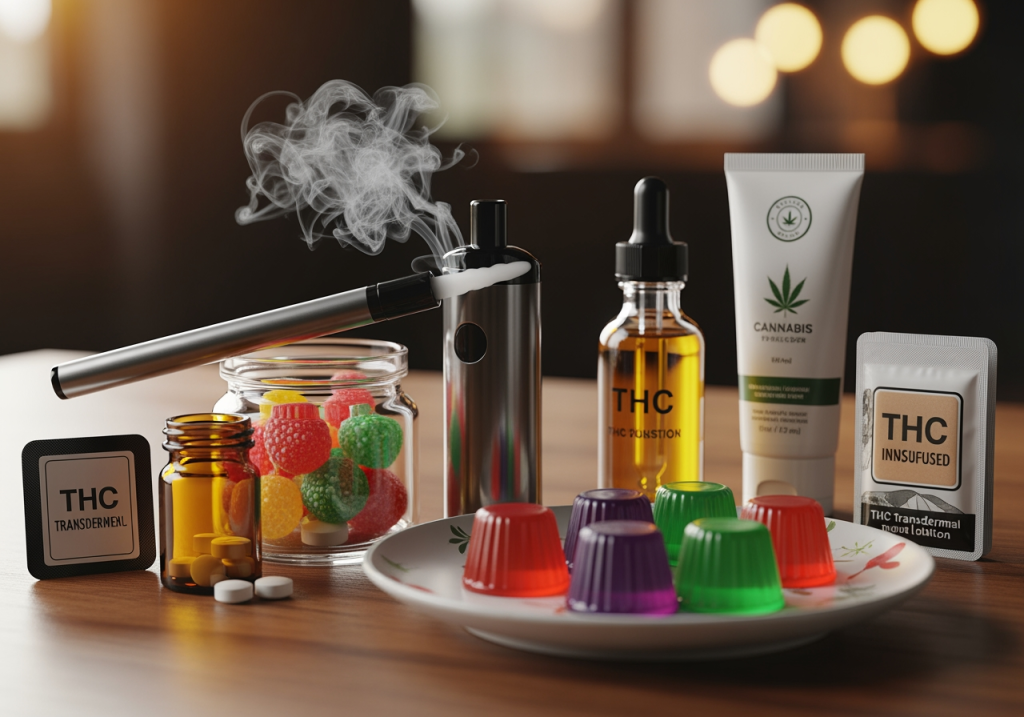
Medical marijuana patients access THC through various methods. Each offers different benefits and drawbacks.
Inhalation – Smoking:
Smoking cannabis provides the fastest THC delivery. You light dried flower and inhale the smoke.
Advantages:
- Effects begin within 30 seconds to 2 minutes
- Easy to control dose by number of puffs
- Effects peak quickly at 10-15 minutes
- You can stop once desired effect is reached
- Lowest cost method generally
- Traditional and familiar to many users
Disadvantages:
- Smoke irritates lungs and throat
- Releases harmful combustion byproducts
- Strong cannabis smell
- Effects only last 2-4 hours
- Not socially acceptable everywhere
- May worsen respiratory conditions
Best For: Breakthrough pain requiring immediate relief. Patients who need to titrate doses carefully. Those comfortable with smoking.
How to Use: Grind cannabis flower. Pack into pipe, bong, or roll into joint. Light and inhale. Hold briefly then exhale. Wait 5-10 minutes between puffs to assess effects.
Bioavailability: 10-35% of THC reaches your bloodstream. Exact amount varies based on inhalation technique.
Inhalation – Vaporizing:
Vaporizing heats cannabis below combustion temperature. This releases THC vapor without smoke.
Advantages:
- Cleaner than smoking – no combustion byproducts
- Faster onset than oral methods (2-5 minutes)
- Less lung irritation than smoking
- More efficient THC extraction than smoking
- Reduced cannabis smell
- Precise temperature control with quality devices
- Can vape flower or concentrates
Disadvantages:
- Requires purchasing vaporizer device ($50-$300)
- Learning curve for optimal use
- Effects still only last 2-4 hours
- Battery maintenance required
- Still involves inhalation
Best For: Patients wanting fast relief without smoking. Those with respiratory sensitivity. People needing discrete consumption.
How to Use: Load dry herb or concentrate into vaporizer. Set temperature (around 350-400°F for THC). Inhale slowly and steadily. Effects appear within minutes.
Bioavailability: 10-35%, similar to smoking but potentially more efficient.
Oral – Edibles:
Edibles are cannabis-infused foods and beverages. THC is metabolized through your digestive system.
Advantages:
- No lung involvement whatsoever
- Very long-lasting effects (6-12 hours)
- Discrete consumption – looks like normal food
- Consistent dosing with commercial products
- Great for all-day symptom management
- No cannabis smell
- Easy to transport and store
Disadvantages:
- Very slow onset (30 minutes to 2 hours)
- Difficult to control dose once consumed
- Effects can be overwhelming if you take too much
- Longer duration can be problematic if effects are unpleasant
- More intense psychoactive effects than inhalation
- Delayed feedback makes titration harder
Best For: Chronic conditions needing all-day relief. Nighttime use for sleep. Patients who can’t or won’t inhale. Those wanting long-lasting effects.
How to Use: Start with 2.5-5mg THC for beginners. Eat on empty stomach for faster onset, with food for slower onset. Wait minimum 2 hours before taking more. Effects peak at 2-4 hours after consumption.
Important Warning: Never take more edibles because you “don’t feel anything yet.” Be patient. Edibles cause most overconsumption incidents.
Bioavailability: 6-20% due to first-pass liver metabolism. Lower than inhalation but effects last much longer.
Oral – Capsules/Pills:
Cannabis oil capsules/pills provide precise THC dosing. They work like edibles but with pharmaceutical consistency.
Advantages:
- Extremely precise dosing
- No taste or smell
- Easy to swallow like any pill
- Discrete and professional
- Long-lasting effects like edibles
- Pharmaceutical-grade consistency
- Easy to travel with
Disadvantages:
- Same slow onset as edibles (45-90 minutes)
- Longer duration can be limiting
- Can’t adjust dose once swallowed
- More expensive than other methods
- Still processed through liver
Best For: Patients needing consistent daily dosing. Those who don’t like cannabis taste. People wanting pharmaceutical approach.
How to Use: Swallow capsule/pills with water. Take with or without food. Wait 90 minutes minimum before assessing effects.
Bioavailability: 6-20%, similar to edibles.
Sublingual – Tinctures and Oils:
Tinctures are liquid cannabis extracts. You place drops under your tongue for absorption.
Advantages:
- Moderate onset time (15-45 minutes)
- More precise dosing than smoking
- No lung involvement
- Discrete use anywhere
- Effects last 4-6 hours
- Easy dose adjustment
- Bypasses some liver metabolism
Disadvantages:
- Cannabis taste can be unpleasant
- Must hold under tongue for 60-90 seconds
- More expensive per dose than flower
- Alcohol-based tinctures burn slightly
- Requires dropper for measuring
Best For: Patients wanting middle ground between inhalation and edibles. Those needing precise dosing without smoking.
How to Use: Measure dose with dropper. Place under tongue. Hold 60-90 seconds without swallowing. Then swallow. Effects begin in 15-45 minutes.
Bioavailability: 12-35%, varies based on how long you hold it sublingually.
Topical – Creams, Lotions, Balms:
Topicals are applied directly to skin for localized relief.
Advantages:
- Zero psychoactive effects
- Targeted relief for specific areas
- No systemic absorption
- Safe for driving and working
- No drug test concerns
- Can apply as often as needed
- Combines well with other methods
Disadvantages:
- Only works locally, not systemically
- Won’t help internal conditions
- Can be messy or greasy
- Effects limited to applied area
- More expensive per use
- Limited research on effectiveness
Best For: Localized joint pain, arthritis, muscle soreness, skin conditions, inflammation in specific areas.
How to Use: Apply generously to affected area. Massage into skin thoroughly. Reapply every 2-4 hours as needed. Works best on clean skin.
Bioavailability: Minimal systemic absorption. Works locally at application site.
Transdermal Patches:
Patches deliver THC through your skin into bloodstream over extended time.
Advantages:
- Consistent THC levels for 8-12 hours
- Bypasses liver metabolism
- Set it and forget it dosing
- Predictable effects
- Can remove patch if needed
- No smoking or eating required
- Very discrete under clothing
Disadvantages:
- Can cause skin irritation
- Absorption varies by body location
- More expensive than other methods
- Limited dose options
- Takes 1-2 hours to start working
- Psychoactive effects occur
Best For: All-day symptom management. Patients wanting consistent medication levels. Those unable to redose throughout the day.
How to Use: Apply patch to clean, hairless skin. Good locations include upper arm, lower back, or ankle. Leave on for 8-12 hours. Remove and discard.
Bioavailability: Variable but effective. Bypasses first-pass metabolism.
Dabbing and Concentrates:
Concentrates are highly potent THC extracts (60-90% THC). Dabbing vaporizes these concentrates.
Advantages:
- Extremely fast relief (seconds)
- Very potent for severe symptoms
- Small amount needed
- Clean consumption method
- Efficient use of medicine
Disadvantages:
- Requires special equipment (dab rig)
- Very high potency can overwhelm beginners
- Expensive initial equipment cost
- Learning curve for proper technique
- Easy to consume too much
- Not discrete
Best For: High-tolerance patients with severe symptoms. Those needing strongest available medicine.
How to Use: Requires specialized equipment and technique. Best learned from experienced users or dispensary staff. Not recommended for beginners.
Bioavailability: 50-80%, highest of all methods.
THC Side Effects and Safety
While THC provides therapeutic benefits, be aware of potential side effects.
Common Short-Term Side Effects:
These effects occur frequently but are usually mild:
Red Eyes: THC dilates blood vessels in your eyes. This creates the classic “stoner eyes” appearance. Eye drops help reduce redness. This is harmless and temporary.
Dry Mouth: Cannabis reduces saliva production dramatically. Your mouth feels like cotton. This is called “cottonmouth.” Drink lots of water before, during, and after THC use. Keep beverages handy.
Increased Heart Rate: THC causes tachycardia (fast heartbeat). Your heart rate may increase 20-50 beats per minute. This peaks 10-30 minutes after consumption then normalizes. Concerning for people with heart conditions.
Drowsiness: THC causes sedation, especially at higher doses. You feel sleepy and tired. This is therapeutic for insomnia but problematic if you need to stay alert.
Dizziness: Some people feel lightheaded or dizzy on THC. Standing up quickly may worsen this. Sit or lie down until it passes.
Short-Term Memory Issues: While high, forming new memories becomes difficult. You forget what you just said or did. This effect completely reverses when THC wears off.
Impaired Coordination: Your balance and motor skills decrease significantly. You become clumsy. Reaction times slow down. This is why driving impaired is dangerous.
Increased Appetite: The “munchies” cause intense hunger. You crave food, especially sweets and snacks. This is therapeutic for wasting conditions but can lead to weight gain.
Altered Time Perception: Time seems to slow down dramatically. Minutes feel like hours. This effect is harmless but can feel strange.
Anxiety: Some people experience increased worry and nervousness. This is more common with high doses or sativa strains. CBD helps counteract this.
Less Common But Serious Side Effects:
These occur less frequently but require attention:
Severe Anxiety or Panic Attacks: High doses can trigger intense panic. Your heart races and you feel terror.
This is temporary but very unpleasant. Sitting calmly and breathing deeply helps. CBD also reduces this effect.
Paranoia: Suspicious, fearful thoughts occur in some users. You might think people are watching you or plotting against you. This is THC-induced and not based in reality. It passes as THC metabolizes.
Hallucinations: Very high doses can cause visual or auditory hallucinations. You see or hear things that aren’t there. This is rare with normal medical doses.
Psychotic Symptoms: People with predisposition to psychosis may experience delusions or disorganized thinking. This is more concerning in those with schizophrenia family history.
Orthostatic Hypotension: Blood pressure drops suddenly when standing. This causes dizziness or fainting. Stand slowly after THC use. Sit back down if you feel faint.
Rapid Heart Rate: Tachycardia can be severe in some people. Heart rates above 120 bpm are concerning. People with heart disease should use THC cautiously.
Nausea and Vomiting: Paradoxically, some people feel nauseated from THC. This is opposite of the usual effect. It’s more common with edibles.
Confusion and Disorientation: High doses cause significant cognitive impairment. You can’t think clearly or navigate familiar places. This reverses with time.
Drug Interactions:
THC interacts with various medications:
Blood Thinners (Warfarin, Coumadin): THC may increase bleeding risk. Your blood may become too thin. Requires careful monitoring by your doctor.
Sedatives and CNS Depressants: THC enhances sedation dramatically. Combining with benzodiazepines, sleep medications, or muscle relaxants causes extreme drowsiness. This combination is dangerous.
Alcohol: Mixing THC and alcohol causes severe impairment. Effects multiply rather than just add. Nausea and dizziness worsen significantly. Never drive after combining them.
Blood Pressure Medications: THC affects blood pressure. It may interfere with blood pressure control. Monitor readings closely.
Antidepressants: Some interactions occur with SSRIs and other antidepressants. Effects vary by specific medication.
Diabetes Medications: THC affects blood sugar. Monitor glucose levels carefully if diabetic.
CYP450-Metabolized Drugs: Many medications use the same liver enzymes as THC. Competition for these enzymes can alter drug levels. This includes some antifungals, antibiotics, and heart medications.
Anticholinergic Medications: These drugs already increase heart rate. Adding THC increases it further. This can be dangerous.
Always tell your physician about ALL medications and supplements. Include over-the-counter drugs and herbal products. Your doctor needs complete information for safe THC prescribing.
thc Safety Guidelines:
Follow these rules for safe THC use:
Never Drive Impaired: THC significantly impairs driving ability. Reaction times slow. Judgment decreases. Coordination suffers.
Wait at least 4-6 hours after inhalation before driving. Wait 8-12 hours after edibles. Better yet, don’t drive at all on THC days.
Don’t Operate Machinery: Heavy equipment, power tools, and machinery require full coordination. THC impairment makes accidents likely. Avoid all machinery operation while medicated.
Secure Storage: Lock up all THC products away from children and pets. Use child-resistant containers. Store in high cabinets or locked boxes. Children and animals can get seriously ill from THC.
Start Low Doses: Always begin with minimum doses. You can always take more. You can’t undo taking too much. Patience prevents bad experiences.
Avoid If Pregnant or Breastfeeding: THC crosses the placenta and enters breast milk. Fetal development may be affected. No amount is proven safe during pregnancy or nursing.
Mental Health Caution: Personal or family history of schizophrenia, bipolar disorder, or psychosis requires extra caution. THC may trigger or worsen these conditions. Discuss thoroughly with your psychiatrist.
Stay Hydrated: Drink plenty of water before, during, and after THC use. Dehydration worsens side effects.
Have Snacks Available: Munchies are real. Having healthy snacks prevents eating entire boxes of cookies. Prepare snacks beforehand.
Safe Environment: Use THC in comfortable, safe surroundings. Especially important for first-time users. Having trusted people around helps if effects become overwhelming.
Know Your Source: Only purchase from licensed dispensaries with lab testing. Street cannabis may contain contaminants or incorrect THC levels.
Respect Tolerance: Tolerance develops with regular use. Don’t endlessly chase higher doses. Take breaks to reset sensitivity.
THC Overdose and Toxicity
No fatal THC overdoses have been documented in humans. The estimated lethal dose is extraordinarily high. You physically can’t consume enough through normal methods.
What “Overdose” Really Means:
THC “overdose” means taking more than you can comfortably handle. It’s not medically dangerous like opioid overdose. But it feels terrible.
Symptoms of Overconsumption:
- Severe anxiety bordering on panic
- Paranoid thoughts and feelings
- Rapid, pounding heartbeat
- Extreme dizziness or vertigo
- Nausea and possible vomiting
- Profuse sweating
- Pale or flushed skin
- Trembling or shaking
- Disorientation and confusion
- Difficulty speaking coherently
- Feeling of impending doom
- Time distortion becomes disturbing
What To Do If You Take Too Much:
Stay calm. Remember these effects are temporary and not life-threatening.
Related Cannabis Terms
Understanding THC is easier alongside these cannabis related terms:
Directly Related Cannabinoids:
CBD (Cannabidiol) – The primary non-psychoactive cannabinoid. Works synergistically with THC. Reduces anxiety and inflammation without causing highness. Available in hemp products nationwide.
CBN (Cannabinol) – Forms when THC degrades over time. Mildly psychoactive with strong sedating effects. Aged cannabis contains more CBN. Helpful for sleep.
Delta-8-THC – An isomer of delta-9-THC. Produces similar but milder psychoactive effects. Less anxiety and paranoia. Currently legal gray area federally.
THCA (Tetrahydrocannabinolic Acid) – The acidic precursor to THC in raw plants. Non-psychoactive until heated. Some therapeutic benefits without high. Juicing raw cannabis provides THCA.
11-Hydroxy-THC – The active metabolite created when your liver processes THC. More potent than THC itself. Responsible for stronger edible effects.
THCV (Tetrahydrocannabivarin) – A THC variant with unique effects. May suppress appetite instead of increasing it. Provides energy rather than sedation. Present in some African and Asian strains.
Compare & Contrast:
THC vs CBD – Psychoactive intoxication versus clear-headed relief. Pain and appetite versus anxiety and seizures. Recreational appeal versus purely medical use.
THC vs Delta-8-THC – Traditional stronger effects versus milder alternative. Well-researched versus newer less-studied. Clear legal status versus gray area.
THC vs CBN – Fresh potency versus aged degradation. Moderate sedation versus strong sedation. Active ingredient versus breakdown product.
THC vs THCA – Activated psychoactive versus raw non-psychoactive. Requires heating versus consumed raw. Most researched versus emerging interest.
Related Cannabis Concepts:
Endocannabinoid System – Your body’s natural system THC interacts with. Controls pain, mood, appetite, memory, immune function. Understanding this explains how THC works.
CB1 and CB2 Receptors – Specific protein receptors THC binds to. CB1 in brain causes psychoactive effects. CB2 in body provides anti-inflammatory benefits.
Entourage Effect – The synergistic interaction between THC, other cannabinoids, and terpenes. Whole plant medicine works better than isolated THC. Components enhance each other.
Terpenes – Aromatic compounds giving cannabis its smell. Myrcene, limonene, pinene, and others. They modulate THC’s effects significantly. Different terpene profiles create different experiences.
Bioavailability – How much THC actually enters your bloodstream. Varies dramatically by consumption method. Smoking is 10-35%, edibles 6-20%. Affects dosing calculations.
Tolerance – Reduced response to THC with repeated use. Develops from receptor downregulation. Requires higher doses for same effects. Tolerance breaks restore sensitivity.
Qualifying Conditions for Medical Cannabis
THC helps treat numerous qualifying medical conditions. If you have any of these conditions, you may qualify for a medical marijuana card:
Pain Conditions:
Chronic Pain – The most common qualifying condition across all states. Chronic pain lasting 3+ months from any cause. Back pain, neck pain, arthritis, fibromyalgia, and more. THC provides significant relief for millions of pain patients.
Neuropathic Pain – Pain from nerve damage. Diabetic neuropathy, post-herpetic neuralgia, nerve injury pain. THC works specifically well on nerve pain where other medications fail.
Migraine Headaches – Severe recurring headaches with nausea and light sensitivity. THC prevents migraines and treats acute attacks. Many patients report dramatic reduction in frequency.
Cancer-Related Pain – Pain from tumors pressing on organs or nerves. Also pain from cancer treatments. THC provides relief comparable to opioids without addiction risk.
Cancer and Related Conditions:
Cancer – Any type of cancer qualifies in most states. THC helps with pain, nausea, appetite loss, and anxiety from cancer. Some research suggests anti-tumor properties.
Chemotherapy Side Effects – Nausea, vomiting, appetite loss, pain, and neuropathy from chemo. THC is FDA-approved specifically for chemo-induced nausea.
Cachexia/Wasting Syndrome – Severe weight loss and muscle wasting from cancer, HIV/AIDS, or other diseases. THC’s appetite stimulation is life-saving for wasting patients.
HIV/AIDS Conditions:
HIV/AIDS – Human immunodeficiency virus and acquired immunodeficiency syndrome. THC helps with appetite loss, nausea, pain, anxiety, and depression from HIV/AIDS.
AIDS-Related Anorexia – Severe appetite loss and weight loss in AIDS patients. Synthetic THC (Marinol) is FDA-approved specifically for this condition.
Mental Health Conditions:
PTSD (Post-Traumatic Stress Disorder) – Trauma-related anxiety, nightmares, flashbacks, and hypervigilance. THC reduces nightmare frequency and improves sleep quality. Many veterans find significant relief.
Anxiety Disorders – Generalized anxiety disorder, social anxiety, panic disorder. Low-dose THC reduces anxiety in many patients. Higher doses may increase anxiety, so careful dosing matters.
Depression – Major depressive disorder causing persistent sadness and loss of interest. THC’s mood-elevating properties help some depression patients. Best combined with CBD.
Neurological Conditions:
Multiple Sclerosis (MS) – Autoimmune disease attacking nerve coverings. Causes muscle spasms, pain, tremors, and fatigue. THC significantly reduces spasticity and pain. Sativex spray is approved specifically for MS in many countries.
Epilepsy and Seizure Disorders – Recurrent seizures from various causes. THC helps reduce seizure frequency in some patients. Often combined with CBD for better seizure control.
Parkinson’s Disease – Neurodegenerative disease causing tremors and movement problems. THC may reduce tremors and improve sleep. More research is needed but some patients report benefits.
ALS (Amyotrophic Lateral Sclerosis) – Lou Gehrig’s disease causing progressive muscle weakness. THC helps with pain, muscle spasms, appetite loss, and depression from ALS.
Alzheimer’s Disease – Progressive dementia and memory loss. THC may help with agitation, aggression, and sleep problems in Alzheimer’s patients. Researchers are studying the neuroprotective properties.
Huntington’s Disease – Genetic disorder causing involuntary movements and cognitive decline. THC may help with movement symptoms and mood. Research is preliminary.
Tourette Syndrome – Neurological disorder causing motor and vocal tics. THC reduces tic frequency and severity in many Tourette patients.
Inflammatory and Autoimmune Conditions:
Crohn’s Disease – Inflammatory bowel disease causing intestinal inflammation, pain, and diarrhea. THC reduces inflammation and improves symptoms significantly. Many patients achieve remission.
Ulcerative Colitis – Another inflammatory bowel disease affecting the colon. THC helps with pain, inflammation, and bleeding. Quality of life improves dramatically.
Rheumatoid Arthritis – Autoimmune disease causing joint inflammation and pain. THC reduces both inflammation and pain. Mobility improves significantly.
Lupus – Systemic autoimmune disease affecting multiple organs. THC’s anti-inflammatory properties help various lupus symptoms. Pain and fatigue improve.
Other Arthritis Types:
Osteoarthritis – Degenerative joint disease from wear and tear. THC reduces joint pain and improves function. Millions of arthritis patients use cannabis.
Psoriatic Arthritis – Arthritis associated with psoriasis skin condition. THC helps both joint pain and skin symptoms.
Other Qualifying Conditions:
Glaucoma – Eye disease causing increased intraocular pressure and vision loss. THC temporarily lowers eye pressure, protecting optic nerves. Requires frequent dosing.
Spinal Cord Injury – Damage to spinal cord causing paralysis, spasticity, and pain. THC reduces muscle spasms and pain significantly.
Traumatic Brain Injury (TBI) – Brain injury from accidents or trauma. THC may help with headaches, mood changes, and sleep problems from TBI.
Severe Nausea – Chronic nausea from any cause. THC is extremely effective for nausea whether from disease or medication.
Severe or Persistent Muscle Spasms – Involuntary muscle contractions from various causes. THC relaxes muscles and stops spasms.
Anorexia Nervosa – Eating disorder characterized by extreme food restriction. THC may help overcome food aversion and increase appetite.
Peripheral Neuropathy – Nerve damage in hands and feet causing pain, numbness, and tingling. THC specifically helps neuropathic pain.
Sickle Cell Disease – Genetic blood disorder causing severe pain crises. THC provides significant pain relief during crises.
Terminal Illness – Any condition with life expectancy under one year. THC improves quality of life in end-of-life care.
Intractable Pain – Severe pain not responding to other treatments. When nothing else works, THC often provides relief.
Not Sure If You Qualify?
Many conditions qualify even if not explicitly listed. Physician discretion allows treatment for various conditions. Our doctors evaluate your specific situation.
Take our free 60-second eligibility quiz. Answer simple questions about your condition and state. Get instant results showing if you likely qualify for medical cannabis.
Frequently Asked Questions
How much THC should I take for pain?
Start low and go slow. Typical doses range from 2.5–10 mg, depending on tolerance and product type. Always follow a doctor’s guidance.
Will THC show up on a drug test?
Yes. Most standard drug tests can detect THC for days to weeks, depending on frequency of use.
Is THC legal with a medical marijuana card?
Yes, in states where medical marijuana is legal, a card allows you to purchase and use THC legally.
What does THC feel like?
THC can make you feel relaxed, happy, or euphoric. Some may experience altered senses, time perception, or increased appetite.
How long does THC stay in your system?
THC can stay detectable for 3–30 days or more, depending on use frequency, body fat, and metabolism.
Can you overdose on THC?
You cannot die from THC overdose, but high doses can cause anxiety, paranoia, dizziness, or nausea.
What are the side effects of THC?
Common side effects include dry mouth, red eyes, increased heart rate, dizziness, and short-term memory issues.
Get Approved for Your Medical Marijuana Card in Minutes!

-
Wikipedia contributors. (2024, November 12). Tetrahydrocannabinol. In Wikipedia, The Free Encyclopedia. Retrieved from https://en.wikipedia.org/wiki/Tetrahydrocannabinol
-
National Center for Biotechnology Information. (2023). Tetrahydrocannabinol. In StatPearls [Internet]. StatPearls Publishing. Retrieved from https://www.ncbi.nlm.nih.gov/books/NBK563174/
-
ScienceDirect. (n.d.). Tetrahydrocannabinol – an overview. Retrieved from https://www.sciencedirect.com/topics/neuroscience/tetrahydrocannabinol
-
Encyclopaedia Britannica. (n.d.). Tetrahydrocannabinol (THC) | Definition, Effects, & Facts. Retrieved from https://www.britannica.com/science/tetrahydrocannabinol
-
Gholipour, B. (2017, January 12). What is THC? Live Science. Retrieved from https://www.livescience.com/24553-what-is-thc.html
-
Cao, C., Li, Y., Liu, H., Bai, G., Mayl, J., Lin, X., Sutherland, K., Nabar, N., Cai, J., & Zhang, W. (2014). The potential therapeutic effects of THC on Alzheimer’s disease. Journal of Alzheimer’s Disease, 42(3), 973–984. https://doi.org/10.3233/JAD-140093
-
Jones, E. L. (2019). The Effects of THC and CBD on Cognitive Functioning: A Comparative Study (Master’s thesis). Marshall University. Retrieved from https://mds.marshall.edu/etd/1772/
-
Government of Canada. (2018). Health effects of cannabis (marijuana). Health Canada. Retrieved from https://www.canada.ca/content/dam/hc-sc/documents/services/campaigns/27-16-1808-Factsheet-Health-Effects-eng-web.pdf
-
Johnson & Wales University. (2021, September 3). 7 potential health benefits of cannabis. Retrieved from https://www.jwu.edu/news/2021/09/7-potential-health-benefits-of-cannabis.html
-
University of Colorado Boulder. (2023, May 5). Cannabis: What you need to know. Retrieved from https://www.colorado.edu/health/blog/cannabis
-
GoodRx. (2023). Risks and benefits of legal marijuana. Retrieved from https://www.goodrx.com/health-topic/cannabis/risks-benefits-of-legal-marijuana
Our Commitment to Medical Accuracy
At Leafy DOC, every piece of content is created with care and reviewed by licensed medical professionals. Our experts ensure that health information is not only evidence-based but also easy to understand and practical for everyday life. We regularly update our resources to reflect the latest research, so you can make informed decisions about your wellness journey with confidence.
Reviewed by
Dr. Hannah Russo, MD, MPH
Dr. Hannah Russo is an internal medicine doctor and public health advocate with extensive experience in telemedicine and cannabis education. Her work bridges clinical practice and digital health, ensuring that patients receive safe, informed, and convenient care. She is passionate about expanding access to natural, evidence-based therapies for chronic conditions.

Written by :
Nida Hammad
Last Updated :
December 3, 2025
Related Terms From The Cannabis Glossary
-

Sativa
Breaking down Sativa’s energizing effects, medical benefits, and how Sativa differs from Indica. -
psychoactive
Learn how psychoactive substances work, their therapeutic health benefits, consumption methods, and the benefits of medical marijuana cards. -
Topicals
Discover tropical cannabis pain relief benefits, skin care applications, and how to use CBD and THC creams safely. Get your medical card today. -
indica
Learn what indica means for medical marijuana patients. Discover relaxation benefits, pain relief properties, and how indica strains treat chronic conditions. -
Hemp
Learn hemp vs marijuana differences, CBD benefits, industrial uses, cultivation, and how hemp supports medical cannabis treatment without intoxication. -
Cannabinoids
Learn what Cannabinoids mean for medical patients. Discover benefits, side effects, proper dosing, and which conditions Cannabinoids treat. -
Terpenes
Learn what terpenes mean for medical marijuana patients. Discover therapeutic effects, entourage benefits, major cannabis terpenes, and how they enhance treatment. -
Marijuana
Comprehensive marijuana guide: medical benefits, side effects, dosing, hemp vs marijuana differences, and how to get your medical card. -
CBD
Learn what CBD means for medical patients. Discover effects, benefits, proper dosing, and which conditions CBD treats.