
Topicals

by Nida Hammad
Last updated: December 3, 2025
Verified and Approved by:
Angela Morris,
MSW, LCSW
Fact Checked


- Topicals are cannabis-infused products applied directly to the skin including creams, lotions, balms, salves, oils, gels, and patches that deliver therapeutic cannabinoids without inhalation or ingestion
- Standard topicals do not cause intoxication because cannabinoids remain localized in skin tissue rather than entering the bloodstream, making them ideal for daytime symptom management
- Effects begin within 15 to 30 minutes of application and typically last 5 to 6 hours, with transdermal patches providing extended release for up to 72 hours
- Topicals work through the endocannabinoid system by interacting with CB1 and CB2 receptors in skin, providing anti-inflammatory, analgesic, and therapeutic effects
- Multiple formulations serve different purposes: creams and lotions for general use, salves and balms for targeted treatment, gels for quick absorption, and patches for sustained systemic delivery
- Therapeutic benefits include pain relief for arthritis, muscle soreness, neuropathic pain, and localized discomfort without systemic side effects
- Effective for skin conditions including acne, eczema, psoriasis, and inflammatory dermatological issues through sebum regulation and anti-inflammatory action
- Side effects are minimal with the most common being localized skin irritation usually caused by non-cannabis ingredients like essential oils or fragrances
- Medical marijuana card required for legal access to medical-grade topicals with precise cannabinoid concentrations and expert guidance from trained dispensary staff
- Safe for most patients when used as directed, with low risk of medication interactions due to localized action, though consultation with healthcare providers is recommended
Topicals: Complete Medical Cannabis Definition & Guide
Topicals are cannabis-infused products applied directly to the skin to deliver therapeutic benefits without inhalation or ingestion. Topicals include creams, lotions, balms, salves, oils, gels, patches, and sprays that contain cannabinoids like THC and CBD. These products work by interacting with cannabinoid receptors in the skin to provide localized relief for pain, inflammation, skin conditions, and other medical symptoms.
For medical marijuana patients, understanding topicals is important. They provide targeted relief without causing a high. This makes them great for localized pain, skin issues, and conditions that need direct application. Once you get your medical marijuana card, dispensaries provide medical-grade topicals. These topicals have exact THC and CBD levels. They offer safe and effective treatment without the high effects of other methods.
What Are Topicals?
Topicals Definition
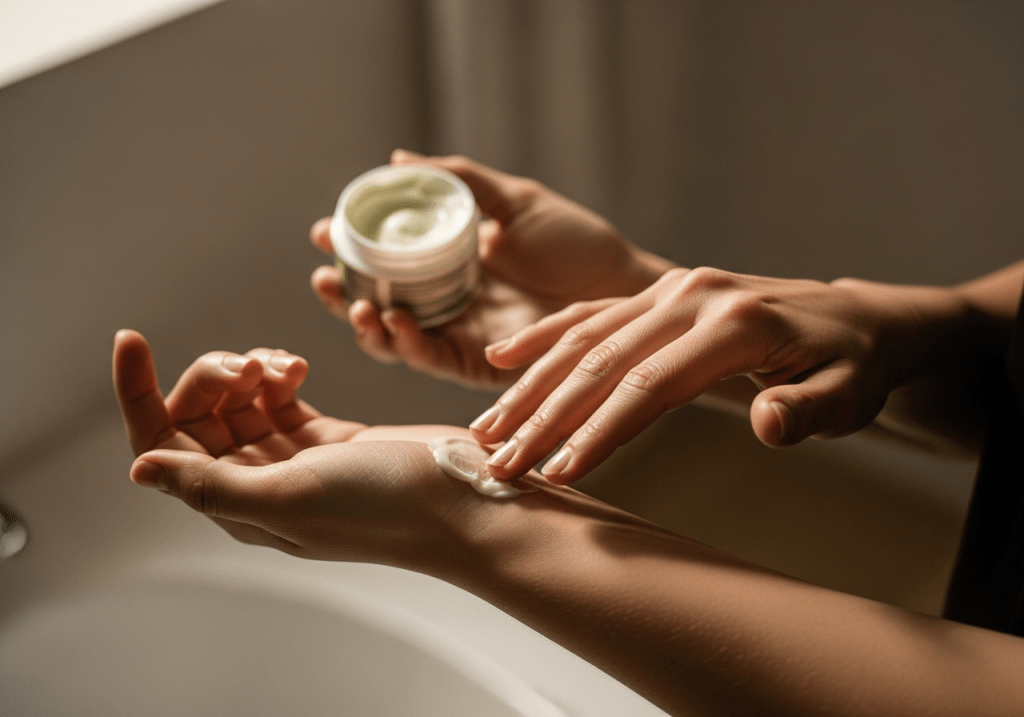
Topicals are cannabinoid-infused formulations designed for external application to the skin, hair, or nails. Unlike other cannabis consumption methods such as smoking, vaping, or edibles, topicals deliver therapeutic cannabinoids directly to the site of discomfort without entering the bloodstream in significant amounts.
The mechanism of topical cannabis involves absorption through the stratum corneum, the outermost layer of skin. Once applied, cannabinoids pass through this barrier by diffusion. They interact with cannabinoid receptors found in the skin’s layers. These receptors are in keratinocytes, melanocytes, sebaceous glands, hair follicles, and nerve fibers.
Cannabis topicals have been used for thousands of years. Historical records show they were used in ancient Egypt to treat inflammation. Today, modern cannabis topicals combine traditional knowledge with contemporary pharmaceutical science to create products specifically formulated for medical cannabis patients.
Key Characteristics of Topicals:
- Applied externally to skin, never ingested or inhaled
- Contain varying concentrations of THC, CBD, or both cannabinoids
- Work through the endocannabinoid system in skin tissue
- Provide localized relief without systemic intoxication (except transdermal patches)
- Available in multiple formulations for different therapeutic needs
The endocannabinoid system plays a crucial role in skin health and function. CB1 and CB2 receptors are distributed throughout various skin structures. CB1 receptors are found in differentiated central cells, while CB2 receptors are predominantly located in basal, non-differentiated sebocytes and on leukocytes. When cannabis topicals are applied, cannabinoids bind to these receptors, triggering therapeutic responses including reduced inflammation, pain relief, and improved skin barrier function.
How Topicals Relate to Medical Marijuana

Medical marijuana patients use topicals for targeted relief. This helps with specific symptoms without the psychoactive effects of smoking or eating cannabis. Understanding topicals helps patients manage certain conditions better. They also offer an option for those who cannot or choose not to smoke or eat edibles.
Medical Applications:
Topicals are particularly important for medical cannabis because:
- Localized Pain Management: Topical treatments send cannabinoids straight to pain receptors in the affected areas. This makes them very effective for arthritis, muscle soreness, joint pain, and nerve pain. The cannabinoids work with CB1 receptors in nerve fibers. This helps reduce pain signals without affecting the whole body. This focused method helps patients treat specific areas, like a painful knee or sore shoulder. They can still think clearly for daily activities.
- Skin Condition Treatment: Topicals provide anti-inflammatory and immunomodulatory effects essential for managing dermatological conditions. Research demonstrates that cannabinoids can normalize sebum production in acne, reduce keratinocyte proliferation in psoriasis, and provide anti-itch relief for eczema. Medical patients with chronic skin conditions often experience significant symptom reduction when using cannabinoid-infused topicals as part of their treatment regimen.
- Non-Intoxicating Relief: Unlike edibles, tinctures, or inhaled cannabis, standard topicals do not make you feel high. This is because cannabinoids stay in the skin tissue and do not enter the bloodstream. This makes topicals ideal for patients who need daytime symptom relief while working, driving, or caring for family members. Patients can apply topicals throughout the day without concerns about impairment or intoxication.
Clinical Perspective:
Medical cannabis physicians consider topicals when recommending treatment for patients with localized pain, inflammatory skin conditions, or those seeking cannabis therapy without systemic effects. Patients with chronic pain conditions often benefit from combining topicals with other cannabis consumption methods for comprehensive symptom management. For example, a patient with rheumatoid arthritis may use a high-CBD cream on sore joints during the day. At night, they might use a low-dose THC tincture for sleep and pain relief.
Topicals Medical Marijuana Card

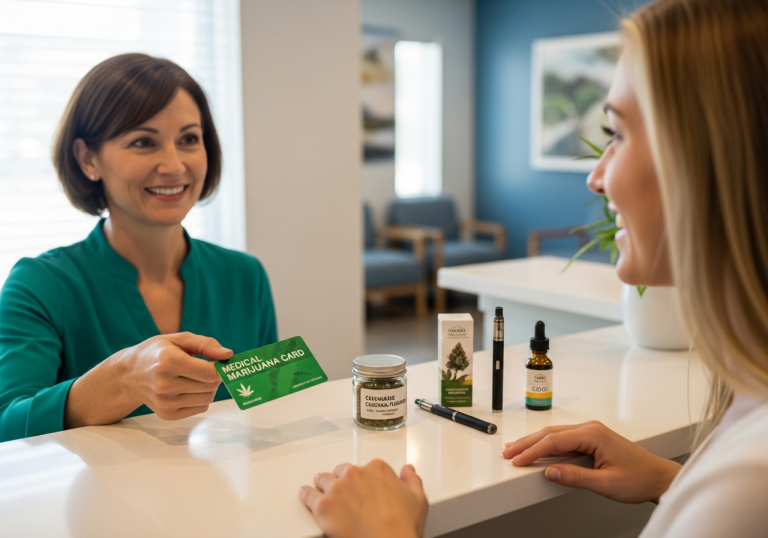
Once you get your medical marijuana card, you can legally buy medical-grade topicals. These come from licensed dispensaries and have tested cannabinoid levels. Medical dispensaries offer topicals specifically formulated for therapeutic use, with precise THC and CBD ratios tailored to different medical conditions.
What You Can Access:
With your medical card, you can:
- Purchase medical-strength topicals often unavailable to recreational consumers
- Receive expert guidance from medical budtenders trained in topical application techniques and product selection
- Access a wider variety of specialized topicals designed for specific medical conditions (transdermal patches, clinical-strength pain relief creams, dermatological formulations)
- Pay lower taxes compared to recreational purchasers in most states
- Obtain higher potency products with cannabinoid concentrations optimized for medical treatment
Getting your medical marijuana card is fast and easy with Leafy DOC. Our licensed physicians can evaluate your qualifying condition and provide your topicals recommendation in minutes, all online. We understand that many patients prefer non-intoxicating consumption methods, and topicals may be the perfect solution for your medical needs.
Types of Cannabis Topicals

Cannabis topicals come in numerous formulations, each designed for specific applications and patient preferences. Understanding the differences helps patients select the most appropriate product for their condition.
Creams and Lotions
Cannabis creams and lotions are the most popular topical formulations due to their versatility and ease of application. These products have smooth, moisturizing textures that absorb into the skin while delivering cannabinoids to underlying tissue.
CBD Creams: These formulations contain primarily cannabidiol with little to no THC. CBD creams have become popular for managing acne due to CBD’s ability to regulate sebum production and reduce inflammation in sebaceous glands. When applied to other body areas, CBD creams may offer relief from muscle inflammation, joint pain, and skin irritation.
THC Creams: These products contain various concentrations of tetrahydrocannabinol but are unlikely to cause intoxication when applied topically. THC creams may provide enhanced pain relief compared to CBD-only products, particularly for neuropathic pain and severe inflammation.
Lotions: Cannabis lotions typically have a lighter consistency than creams, making them ideal for larger body areas and repeated daily application. The thinner texture allows faster absorption and greater moisturizing properties, making lotions suitable for patients who dislike heavier ointments.
Oils
Cannabis oils are versatile topical products that can serve multiple therapeutic purposes. These formulations typically use carrier oils like coconut, jojoba, or hemp seed oil infused with cannabis extracts.
CBD Oils: Patients often use CBD oils for targeted pain relief by rubbing them directly onto affected areas. These products can also be used for massage therapy, combining the therapeutic benefits of cannabinoids with manual therapy techniques.
Cannabis Massage Oils: These specialized formulations are designed exclusively for topical use and often contain essential oils or plant-based extracts for enhanced aromatherapy benefits. Massage oils allow for prolonged therapeutic application during bodywork sessions.
Salves and Balms
Cannabis salves and balms offer thicker, more concentrated formulations ideal for targeted treatment of specific areas. These products typically use beeswax, shea butter, mango butter, or other solid fats as the base.
Texture and Composition: Salves and balms have a denser consistency than creams or lotions, allowing them to stay on the skin’s surface longer rather than being absorbed immediately. This makes them particularly effective for protecting skin while delivering sustained cannabinoid release.
Medical Applications: Patients with localized skin conditions, minor wounds, or specific pain points often prefer salves and balms for their concentrated therapeutic effects. The thicker texture also provides a protective barrier that can be beneficial for dry, cracked, or irritated skin.
Gels
Cannabis gels have a water-based formulation that turns to liquid upon skin contact, creating a cooling sensation. This unique property makes gels particularly popular for certain applications.
Absorption Characteristics: Gels penetrate more quickly and deeply than oil-based topicals due to their water-based formulation. Patients should rub gels thoroughly into the skin rather than simply massaging them on the surface for maximum therapeutic benefit.
Best Uses: Cannabis gels work well for acute inflammation, sports injuries, and headache relief when applied to temples and forehead. The cooling effect provides immediate sensory relief while cannabinoids work to reduce underlying inflammation.
Transdermal Patches
Transdermal patches represent the most potent and systemically active form of cannabis topicals. Unlike other topical formulations, patches are designed to deliver cannabinoids through the skin and into the bloodstream.
Application Method: Patches come with an adhesive side that adheres to the skin and remains in place for 24 to 72 hours, providing steady cannabinoid release throughout the wear period.
THC Patches: These have the potential to cause intoxication because they deliver THC directly into the bloodstream in concentrated doses. Patients should be aware that THC patches can produce psychoactive effects similar to edibles or inhalation methods.
CBD Patches: Pure CBD patches provide systemic cannabidiol delivery without psychoactive effects. These may be particularly useful for chronic lower back pain, widespread inflammation, or conditions requiring sustained CBD levels throughout the day.
Explore Other Most Popular Tropical Medical Marijuana Products
Physical Effects and Therapeutic Cannabis Topicals Benefits
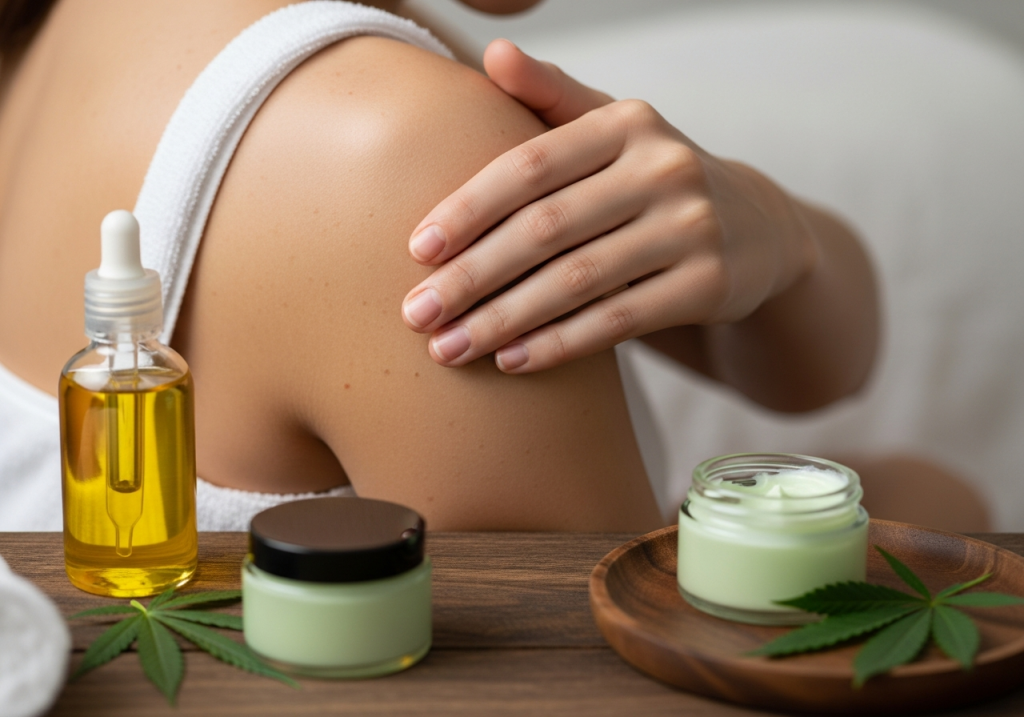
Cannabis topicals represent a unique therapeutic approach in medical marijuana treatment, offering localized relief through direct skin application. Understanding the detailed mechanisms behind their physical effects and therapeutic benefits helps patients make informed decisions about incorporating topicals into their treatment regimens. This comprehensive exploration examines how cannabis topicals work at the cellular level and why they produce such diverse therapeutic outcomes.
Physical Effects of Cannabis Topicals: Detailed Analysis
Localized Pain Reduction in Muscles, Joints, and Nerve Tissue
Pain reduction stands as one of the most sought-after effects of cannabis topicals, and the mechanisms behind this relief are scientifically well-documented. When cannabis topicals are applied to the skin, cannabinoids penetrate through the stratum corneum and interact with cannabinoid receptors located in peripheral nerve fibers, muscle tissue, and joint structures.
The primary mechanism involves CB1 receptor activation in sensory nerve endings. These receptors, when bound by cannabinoids like THC and CBD, modify pain signal transmission at the source. Unlike systemic pain medications that work through the central nervous system, topical cannabinoids intercept pain signals before they reach the brain, providing relief without affecting cognitive function or causing systemic side effects.
In muscle tissue, cannabinoids interact with CB2 receptors abundant in inflammatory cells and muscle fibers themselves. When muscles are sore from exercise, injury, or chronic conditions like fibromyalgia, inflammatory cytokines accumulate in the tissue, sensitizing pain receptors. Cannabinoids suppress the release of these pro-inflammatory substances, directly reducing the chemical signals that cause pain perception.
Joint pain presents unique challenges because it often involves multiple pain mechanisms simultaneously: mechanical stress on cartilage, inflammation of synovial membranes, and bone changes in arthritic conditions. Cannabis topicals address several of these mechanisms concurrently. CBD, in particular, has been shown to reduce inflammation in synovial tissue while also providing direct analgesic effects through receptor activation. Patients with osteoarthritis or rheumatoid arthritis often report significant pain reduction when applying high-concentration topicals directly to affected joints.
Neuropathic pain, caused by nerve damage or dysfunction, responds particularly well to topical cannabinoids. Conditions like diabetic neuropathy, post-herpetic neuralgia, and chemotherapy-induced peripheral neuropathy involve damaged nerves that send aberrant pain signals. Cannabinoids can modulate these dysfunctional nerve signals through multiple receptor systems, including not only CB1 and CB2 receptors but also TRPV1 receptors involved in pain and temperature sensation. This multi-modal action makes topicals especially valuable for neuropathic conditions that often resist conventional pain medications.
The duration of pain relief from topicals typically ranges from four to six hours, though individual variation exists based on product concentration, application technique, and the severity of the underlying condition. Unlike oral pain medications that require time to be absorbed through the digestive system, topical cannabinoids begin working within 15 to 30 minutes, providing relatively rapid onset for acute pain episodes.
Decreased Inflammation and Swelling in Affected Areas
Inflammation represents the body’s natural response to injury or irritation, but chronic or excessive inflammation causes tissue damage and persistent symptoms. Cannabis topicals provide potent anti-inflammatory effects through multiple biological pathways, making them valuable for both acute injuries and chronic inflammatory conditions.
At the cellular level, inflammation involves a complex cascade of immune system responses. When tissue is damaged or irritated, immune cells release chemical messengers called cytokines that recruit additional immune cells to the area, increase blood flow, and activate pain receptors. While this process aids healing in acute situations, chronic inflammation perpetuates tissue damage and symptoms.
CB2 receptors play a central role in the anti-inflammatory effects of cannabis topicals. These receptors are densely concentrated on immune cells including macrophages, lymphocytes, and mast cells. When cannabinoids bind to CB2 receptors on these cells, they trigger intracellular signaling cascades that suppress the production and release of pro-inflammatory cytokines such as tumor necrosis factor-alpha (TNF-α), interleukin-1 (IL-1), and interleukin-6 (IL-6).
Simultaneously, cannabinoids enhance the production of anti-inflammatory substances. Research demonstrates that CB2 activation increases interleukin-10 (IL-10), a cytokine that actively resolves inflammation and promotes tissue healing. This dual action, suppressing pro-inflammatory signals while enhancing anti-inflammatory responses, creates a powerful therapeutic effect.
Mast cell stabilization represents another crucial mechanism. Mast cells release histamine and other inflammatory mediators when activated. Cannabis topicals prevent excessive mast cell degranulation, reducing the release of these inflammatory substances. This effect proves particularly valuable for allergic skin reactions, dermatitis, and conditions where mast cell activation drives symptoms.
Visible swelling reduction occurs because cannabinoids decrease vascular permeability, the tendency of blood vessels to leak fluid into surrounding tissue. When inflammation occurs, blood vessels become “leaky,” allowing plasma and immune cells to enter tissue spaces, causing visible swelling. By modulating inflammatory signaling, cannabinoids help restore normal vascular integrity, reducing fluid accumulation and visible edema.
Patients with conditions like arthritis, tendinitis, bursitis, or acute sports injuries often observe measurable reduction in swelling within hours of topical application. The localized nature of this effect means surrounding tissues remain unaffected, unlike systemic anti-inflammatory medications that can have widespread effects throughout the body.
Muscle Relaxation and Reduced Tension
Muscle tension and spasms affect millions of people, whether from physical stress, poor posture, chronic conditions like multiple sclerosis, or acute injuries. Cannabis topicals provide muscle relaxation through several distinct mechanisms that work synergistically to reduce excessive muscle contraction and associated discomfort.
The endocannabinoid system regulates muscle tone through receptors in both muscle fibers and the motor neurons that control them. When cannabinoids from topicals penetrate deep into muscle tissue, they interact with CB1 receptors on motor nerve terminals, modulating the release of neurotransmitters that trigger muscle contraction. This reduces excessive neurological stimulation that causes muscles to remain contracted and tense.
Within muscle fibers themselves, CB2 receptor activation influences calcium ion channels. Muscle contraction depends on calcium flowing into muscle cells, and when this process becomes dysregulated, muscles can remain contracted even when they should be relaxed. Cannabinoids help normalize calcium signaling, allowing muscles to release tension naturally.
Inflammation within muscle tissue also contributes to tension and spasm. When muscles are inflamed, they become stiff and resistant to normal movement. The anti-inflammatory effects of cannabinoids, described previously, complement their direct muscle-relaxing properties. By reducing inflammation, topicals allow muscles to move more freely and respond normally to neurological signals.
Patients with conditions causing chronic muscle tension, such as fibromyalgia, chronic fatigue syndrome, or cervical spine disorders, often report significant relief from cannabis topicals. Athletes use topicals for post-workout muscle recovery, finding that application after intense training reduces delayed onset muscle soreness (DOMS) and speeds recovery time.
The muscle-relaxing effects occur without the systemic sedation or impairment associated with oral muscle relaxants. Patients can apply topicals to tense shoulders, lower back, or other affected areas while maintaining full alertness and functionality. This makes topicals ideal for daytime use when patients need symptom relief without compromising their ability to work, drive, or care for family members.
Check Out the Latest Research on How Medical Marijuana Aids Anxiety And Patient Access
Improved Skin Barrier Function and Hydration
The skin barrier protects the body from environmental threats while preventing excessive water loss. When this barrier becomes compromised, conditions like eczema, psoriasis, and severe dry skin develop. Cannabis topicals support skin barrier function through multiple biological mechanisms, offering therapeutic benefits beyond symptom relief.
The stratum corneum, the outermost layer of skin, consists of dead skin cells embedded in a lipid matrix composed primarily of ceramides, cholesterol, and free fatty acids. This structure functions like a brick wall, with skin cells as bricks and lipids as mortar. When this “mortar” is deficient or imbalanced, the barrier becomes compromised, leading to increased water loss and vulnerability to irritants and allergens.
Research demonstrates that the endocannabinoid system plays a crucial role in maintaining this barrier. CB1 receptors influence the production and secretion of barrier lipids from lamellar bodies, specialized organelles in skin cells that produce and release these essential fats. When CB1 receptors are activated by cannabinoids in topicals, they enhance lamellar body secretion, increasing the availability of lipids needed for barrier repair.
Additionally, cannabinoids influence the expression of structural proteins essential for barrier function. Filaggrin, loricrin, and involucrin are proteins that form the cornified envelope, a protective structure surrounding dead skin cells in the stratum corneum. Studies show that cannabinoid signaling modulates the expression of these proteins, supporting proper barrier formation.
The anti-inflammatory effects of cannabinoids also contribute to barrier improvement. Chronic inflammation disrupts normal skin cell differentiation and barrier lipid production. By reducing inflammation, cannabinoids allow skin cells to follow their normal developmental program, producing healthy barrier structures.
Hydration improvement occurs through multiple pathways. By strengthening the lipid barrier, cannabinoids reduce transepidermal water loss (TEWL), the amount of water that evaporates from the skin surface. Lower TEWL means skin retains more of its natural moisture. Many cannabis topicals also contain carrier oils and moisturizing ingredients that provide additional hydration while delivering cannabinoids to deeper skin layers.
Patients with eczema, atopic dermatitis, or severely dry skin often notice improved skin texture, reduced flaking, and decreased itching within days of consistent topical cannabis use. The combination of barrier repair, anti-inflammatory action, and direct moisturization creates comprehensive improvement in skin health.
Reduced Sebum Production for Acne-Prone Skin
Acne vulgaris affects millions of people and arises from multiple factors including excessive sebum production, inflammation, bacterial colonization, and abnormal skin cell shedding. Cannabis topicals, particularly those containing CBD, address several of these contributing factors simultaneously, making them promising treatments for acne-prone skin.
Sebaceous glands produce sebum, the oily substance that lubricates skin and hair. While sebum is essential for skin health, excessive production contributes to acne by creating an environment where acne-causing bacteria thrive and by physically blocking pores. The endocannabinoid system plays a significant role in regulating sebaceous gland function.
Research on human sebocytes, the cells that produce sebum, reveals that these cells express both CB1 and CB2 receptors. The distribution pattern is specific: CB2 receptors predominate in basal, undifferentiated sebocytes, while CB1 receptors are more abundant in differentiated, sebum-producing cells. This strategic distribution allows the endocannabinoid system to regulate both sebocyte development and sebum production.
CBD demonstrates particularly interesting effects on sebocytes. While some cannabinoids can stimulate sebum production, CBD has the opposite effect. Studies show that CBD inhibits excessive lipid synthesis in sebocytes without completely eliminating sebum production. This normalizing effect proves ideal for acne treatment, it reduces excessive oiliness while maintaining the skin’s natural protective functions.
The mechanism involves multiple pathways. CBD influences the expression of genes involved in lipid synthesis, effectively turning down the cellular machinery responsible for sebum production. It also modulates the differentiation process by which immature sebocytes develop into mature, sebum-producing cells, potentially reducing the overall number of active sebum-producing cells.
Inflammation within sebaceous glands and surrounding skin significantly contributes to acne severity. Inflammatory mediators not only cause the redness and swelling associated with acne but also stimulate sebocytes to produce more sebum, creating a vicious cycle. CBD’s potent anti-inflammatory effects break this cycle by suppressing inflammatory cytokine production in skin cells and immune cells around sebaceous glands.
Additionally, CBD demonstrates antimicrobial properties against Cutibacterium acnes (formerly Propionibacterium acnes), the bacteria implicated in acne development. By reducing bacterial colonization alongside sebum production and inflammation, CBD topicals address multiple aspects of acne pathophysiology simultaneously.
Clinical observations and small studies suggest that regular application of CBD-containing topicals can reduce acne lesions, decrease skin oiliness, and improve overall complexion in acne-prone individuals. The effects typically become noticeable after several weeks of consistent use, as the skin requires time to adjust sebum production and for existing lesions to heal.
Therapeutic Topicals cannabis Benefits: Comprehensive Examination
Non-Intoxicating Relief Suitable for Daytime Use
Perhaps the most significant therapeutic advantage of cannabis topicals is their ability to provide cannabinoid-based relief without psychoactive effects. This characteristic fundamentally changes how medical cannabis can be integrated into daily life, particularly for patients who need symptom management while maintaining full cognitive function.
The reason topicals don’t cause intoxication relates to pharmacokinetics, how substances move through the body. When cannabis is smoked, vaped, or consumed orally, cannabinoids enter the bloodstream and circulate throughout the body, including crossing the blood-brain barrier to interact with CB1 receptors in the central nervous system. This central CB1 receptor activation produces the characteristic “high” associated with THC.
Topicals work differently. When applied to the skin, cannabinoids penetrate into dermal layers where they interact with local cannabinoid receptors in skin cells, nerve endings, immune cells, and other structures. However, they remain largely confined to these local tissues. While minute amounts may enter peripheral circulation, the concentrations are insufficient to produce central nervous system effects.
This localized action means patients can apply even high-THC topicals to painful joints, sore muscles, or inflamed skin without experiencing euphoria, altered perception, impaired judgment, or any other psychoactive effects. The therapeutic benefits remain fully intact while eliminating the intoxication that some patients find undesirable or that interferes with daily responsibilities.
The practical implications are profound. Patients can use cannabis topicals before work without concern about impairment. Parents can apply topicals while caring for children. Individuals can use them before driving or operating machinery. Healthcare professionals, teachers, or others in sensitive positions can benefit from medical cannabis without violating workplace policies against intoxication.
This characteristic also makes topicals ideal for elderly patients who may be particularly sensitive to psychoactive effects or for individuals with anxiety disorders who might find THC’s psychoactive properties distressing. Patients who need frequent dosing throughout the day can reapply topicals as needed without accumulating systemic effects that could lead to impairment.
The exception to this non-intoxicating profile is transdermal patches, which are specifically designed to deliver cannabinoids into systemic circulation. THC patches can produce psychoactive effects similar to edibles. Patients should understand this distinction when selecting topical products.
Targeted Treatment Without Systemic Side Effects
Modern medicine increasingly recognizes the value of targeted therapies that deliver treatment precisely where needed while minimizing effects on unaffected body systems. Cannabis topicals exemplify this principle, providing focused therapeutic action with minimal systemic impact.
When oral medications are consumed, they must be metabolized by the liver, circulated throughout the entire body, and eventually eliminated by the kidneys. This systemic distribution means the medication affects many organs and tissues beyond the target site, potentially causing unwanted side effects. Common pain medications exemplify this problem, NSAIDs can cause gastrointestinal ulcers and kidney damage, while opioids affect the entire nervous system, causing constipation, respiratory depression, and dependence risks.
Topical cannabis circumvents these concerns through localized action. A patient with arthritis in the hands can apply cream directly to affected joints, delivering high concentrations of cannabinoids precisely where they’re needed. The surrounding tissues receive therapeutic benefit, but distant organs like the liver, kidneys, stomach, and brain experience minimal exposure.
This targeted delivery offers several advantages beyond avoiding side effects. Higher local concentrations can be achieved at the treatment site compared to what’s possible with oral administration. If a patient took oral cannabis aiming to achieve pain-relieving concentrations in their arthritic knee, they would need to consume enough to distribute throughout their entire body, likely causing significant psychoactive effects. With topicals, therapeutic concentrations reach the knee directly without systemic distribution.
The localized action also means patients can treat multiple different areas simultaneously with different products. Someone might apply a high-THC salve to a severely painful arthritic hip while using a CBD-rich cream on facial acne, tailoring treatment to each specific concern without worrying about systemic interactions or additive effects.
For patients taking multiple medications for various conditions, topicals present minimal risk of drug interactions. Since cannabinoids from topicals don’t reach significant systemic levels, they rarely interact with medications metabolized by the liver or other organs. This makes topicals particularly valuable for elderly patients or those with complex medication regimens.
The absence of systemic effects also eliminates concerns about liver stress, kidney burden, or gastrointestinal complications that accompany many medications. Patients with liver disease, kidney disease, or digestive disorders can safely use cannabis topicals without exacerbating their underlying conditions.
Fast-Acting Symptom Relief for Acute Conditions
Acute symptoms, whether sudden pain from an injury, a tension headache, muscle spasm, or acute skin irritation, demand rapid relief. Cannabis topicals provide onset times that make them practical for acute symptom management.
Most patients notice initial effects within 15 to 30 minutes of application, with some reporting even faster onset depending on the product formulation and application site. This relatively rapid onset compares favorably to oral medications, which typically require 45 minutes to 2 hours to take effect due to the time needed for gastrointestinal absorption and first-pass liver metabolism.
The quick onset stems from the direct delivery mechanism. Cannabinoids don’t need to travel through the digestive system, survive stomach acid, be absorbed through intestinal walls, pass through the liver, and circulate through the bloodstream to reach their target. Instead, they penetrate directly through skin layers to reach cannabinoid receptors in the underlying tissue.
Certain formulations enhance absorption speed. Water-based gels penetrate more quickly than oil-based creams due to their affinity for the aqueous environment between skin cells. Products containing penetration enhancers or nanoemulsified cannabinoids may act even faster by facilitating transport through the stratum corneum.
For acute injuries like sports-related strains or sprains, this rapid onset proves invaluable. Athletes can apply topicals immediately after injury to begin reducing inflammation and pain while other acute care measures are implemented. The combination of ice, compression, elevation, and cannabis topicals addresses acute injuries from multiple angles simultaneously.
Acute headaches represent another application where fast onset matters. Patients experiencing tension headaches or migraines can apply CBD gel to temples and the base of the skull, often experiencing relief within 20 to 30 minutes. This provides an alternative to oral pain medications that might cause stomach upset or take longer to work.
The ability to reapply topicals as needed without concerns about overdose or accumulation enhances their utility for acute symptoms. If initial application provides partial but incomplete relief, patients can safely reapply after 30 to 60 minutes to augment effects. This flexibility allows for titration to individual needs and symptom severity.
Sustained Release for Chronic Condition Management
While topicals work quickly for acute symptoms, they also provide sustained therapeutic effects valuable for chronic condition management. The duration of action from most topical formulations ranges from 4 to 6 hours, though individual variation exists based on product characteristics and application techniques.
This sustained release period provides consistent symptom control throughout the day. Patients with chronic pain conditions can apply topicals in the morning to manage daytime symptoms, reapply at midday if needed, and apply again in the evening for overnight relief. This dosing pattern maintains relatively steady therapeutic effects without the peaks and valleys sometimes experienced with oral medications.
The mechanism behind sustained release involves the gradual diffusion of cannabinoids from skin’s lipid layers into deeper tissues over time. When topicals are applied, some cannabinoids bind immediately to surface receptors, while others integrate into the lipid-rich stratum corneum, creating a reservoir that slowly releases cannabinoids to underlying tissues over several hours.
Thicker formulations like salves and balms may provide longer duration of action compared to thin lotions or gels because they create a more substantial surface layer that continues releasing cannabinoids gradually. Some patients apply thick balms at bedtime, finding that the slow-release effect provides overnight pain relief without need for middle-of-the-night reapplication.
For chronic inflammatory conditions like arthritis, eczema, or psoriasis, consistent daily use of topicals provides cumulative benefits. While individual applications offer immediate symptom relief, regular use may gradually reduce baseline inflammation and symptom severity. The anti-inflammatory and barrier-supporting effects build over time, potentially leading to sustained improvement even between applications.
Transdermal patches represent the ultimate sustained-release topical formulation. Designed to deliver cannabinoids steadily over 24 to 72 hours, patches eliminate the need for multiple daily applications while maintaining consistent therapeutic levels. This proves particularly valuable for patients with limited mobility who have difficulty applying topicals frequently or for those who need uninterrupted symptom control.
The sustained nature of topical effects makes them compatible with daily life. Patients don’t need to interrupt work, activities, or sleep for frequent dosing. Application becomes part of a morning and evening routine, similar to other skincare or hygiene practices.
Improved Skin Health and Appearance
Beyond specific symptom relief, cannabis topicals often produce general improvements in skin health and appearance that patients find valuable. These cosmetic and dermatological benefits stem from the same biological mechanisms that provide therapeutic effects.
The antioxidant properties of cannabinoids protect skin cells from oxidative stress caused by UV radiation, pollution, and normal metabolic processes. Oxidative stress damages cellular components including DNA, proteins, and lipid membranes, contributing to premature aging, wrinkle formation, and increased cancer risk. Cannabinoids neutralize reactive oxygen species and support cellular antioxidant systems, reducing this cumulative damage.
Visible signs of skin aging including fine lines, wrinkles, and loss of elasticity partly result from chronic low-grade inflammation sometimes called “inflammaging.” The anti-inflammatory effects of cannabis topicals address this underlying process, potentially slowing visible aging and improving skin texture. Some patients report that regular use of CBD-rich topicals reduces fine lines and improves overall complexion.
Collagen and elastin, the structural proteins that provide skin firmness and elasticity, degrade over time due to enzymatic activity, UV exposure, and inflammatory processes. Evidence suggests that cannabinoids may influence the activity of matrix metalloproteinases (MMPs), enzymes that break down collagen and elastin. By modulating MMP activity, cannabinoids could help preserve these structural proteins.
Skin tone evenness improves for many users through multiple mechanisms. The anti-inflammatory effects reduce redness associated with irritation, rosacea, or acne. The regulatory effects on melanocytes, the cells that produce skin pigment, may help normalize pigmentation in conditions like melasma or post-inflammatory hyperpigmentation. Some patients find that regular topical use fades dark spots and creates more uniform skin tone.
Scar appearance may diminish with cannabinoid topical use. The wound-healing properties of cannabinoids support proper tissue repair, while anti-inflammatory effects reduce excessive scar formation. Patients applying topicals to healing wounds or existing scars sometimes observe reduced scar visibility, improved texture, and better color matching to surrounding skin.
The overall improvement in skin barrier function, discussed earlier, contributes to a healthier appearance. Well-hydrated skin with an intact barrier looks plumper, smoother, and more radiant compared to compromised, dehydrated skin. The moisturizing effects combined with barrier repair create visible improvements in skin quality.
These cosmetic benefits complement therapeutic uses, making cannabis topicals appealing even to individuals without specific medical conditions. The boundary between medical and cosmetic applications blurs as the same biological effects that reduce disease symptoms also enhance normal skin health and appearance.
How to Use Topicals Safely
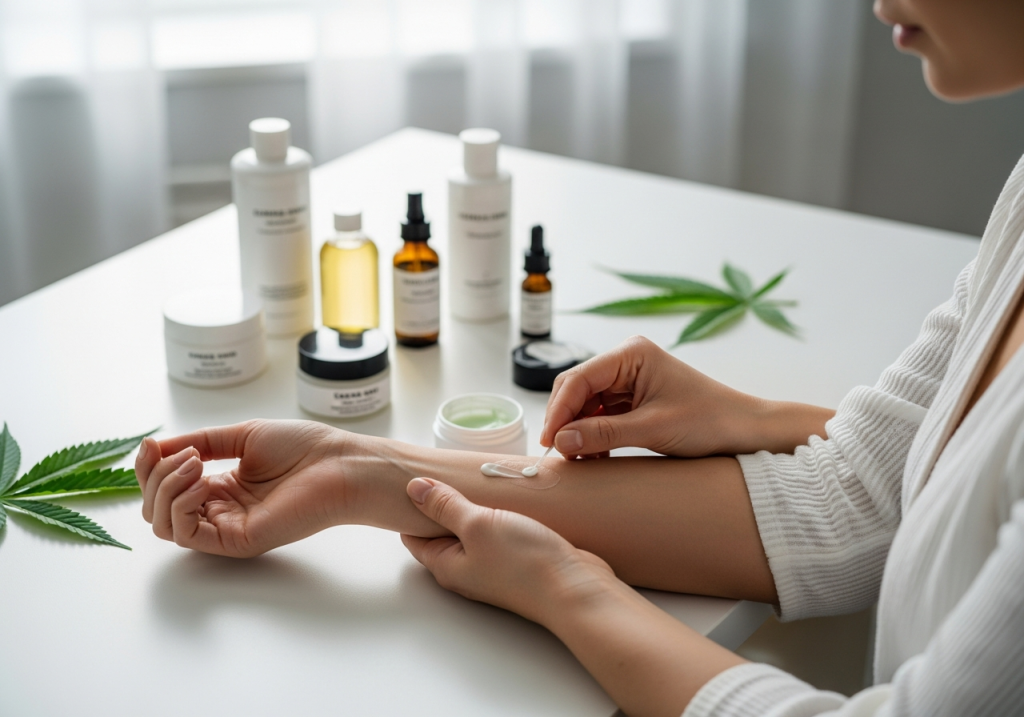
Using topicals correctly ensures patients receive therapeutic benefits while minimizing potential side effects. Following proper application guidelines maximizes effectiveness and safety.
Dosing Guidelines:
Beginners: Start with a pea-sized amount applied to the affected area and wait 30 minutes to assess effects before applying more. First-time users should test the product on a small patch of skin to check for allergic reactions or skin irritation.
Experienced Patients: Apply the amount needed to cover the affected area in a thin, even layer. Typical application amounts range from a quarter-sized dollop for small areas to several tablespoons for larger body regions.
Tolerance Considerations: Unlike inhaled or ingested cannabis, topicals do not typically lead to tolerance development. Patients can maintain consistent dosing without needing to increase amounts over time.
Step-by-Step Application Guide:
- Clean the Application Area: Wash and dry the skin where you’ll apply the topical to remove dirt, oil, and other substances that could interfere with absorption.
- Apply Product: Dispense the appropriate amount of topical and apply it to the affected area using clean hands or an applicator.
- Massage Thoroughly: Rub the product into the skin using circular motions until fully absorbed. For gels, use firm pressure to work the product deep into tissue.
- Wash Hands: Clean your hands after application unless you’re treating your hands. This prevents accidental transfer to eyes, mouth, or other sensitive areas.
- Wait and Observe: Allow 15 to 30 minutes for effects to begin. Assess symptom relief before deciding whether additional application is needed.
Safety Tips:
- Never ingest topical cannabis products – they are formulated exclusively for external use
- Keep topicals away from eyes, mouth, and mucous membranes
- Store products in cool, dark places to prevent cannabinoid degradation
- Keep all cannabis products securely stored away from children and pets
- Start with low doses and increase gradually as needed
- Avoid applying topicals to open wounds or severely damaged skin without medical guidance
- Be aware that transdermal patches can cause intoxication unlike other topical formulations
What to Expect:
- Onset: Effects begin within 15 to 30 minutes of application
- Peak: Maximum therapeutic effects occur around 45 to 90 minutes after application
- Duration: Effects last approximately 5 to 6 hours for most topical formulations
- Reapplication: Products can be reapplied as needed when effects diminish, typically 2 to 4 times daily
Scientific Understanding of Topical Cannabis
Recent research has significantly expanded our understanding of how cannabis topicals work and their therapeutic potential. The discovery of cannabinoid receptors in skin tissue has provided scientific validation for traditional topical cannabis use.
Endocannabinoid System in Skin:
The skin contains a complete endocannabinoid system with CB1 and CB2 receptors, endocannabinoid-producing enzymes, and metabolizing enzymes. This system regulates numerous skin functions including:
- Proliferation and differentiation of keratinocytes
- Sebum production in sebaceous glands
- Melanin synthesis in melanocytes
- Inflammatory responses in immune cells
- Pain signal transmission in nerve fibers
- Wound healing processes in fibroblasts
Absorption and Bioavailability:
When topicals are applied, cannabinoids must penetrate the stratum corneum to reach active receptor sites. Absorption depends on several factors including molecular weight of cannabinoids, vehicle formulation, application duration, and skin condition. Healthy, intact skin provides a strong barrier, while compromised skin allows greater penetration.
Anti-Inflammatory Mechanisms:
Cannabinoids reduce inflammation through multiple pathways. CB2 receptor activation in immune cells suppresses pro-inflammatory cytokine release. Cannabinoids also inhibit mast cell degranulation, reducing histamine release that contributes to inflammation and itching.
Pain Relief Mechanisms:
Topical cannabinoids reduce pain through peripheral CB1 receptor activation in sensory nerve fibers. This blocks pain signal transmission without affecting central nervous system function, providing analgesia without psychoactive effects. Research demonstrates that topical cannabinoids can reduce both inflammatory pain and neuropathic pain.
Related Cannabis Terms
Understanding topicals is easier when you also know these related terms:
Directly Related Terms:
- CBD (Cannabidiol) – The primary non-intoxicating cannabinoid found in most topical formulations, offering anti-inflammatory and therapeutic benefits
- THC (Tetrahydrocannabinol) – The psychoactive cannabinoid that provides enhanced pain relief in topicals without causing intoxication through topical application
- Marijuana – Marijuana is a psychoactive product from the Cannabis plant that contains THC, which produces mind-altering effects
Compare and Contrast
Topicals vs Edibles
- Topicals work on the skin only, while edibles work through the entire body.
- Topicals don’t cause a high, while edibles can be strongly psychoactive.
- Topicals act fast on one area, while edibles take longer but last many hours.
Topicals vs Tinctures
- Topicals stay external, while tinctures go into the bloodstream.
- Topicals give targeted relief, while tinctures give full-body effects.
- Topicals have zero intoxication, while THC tinctures can cause a high.
Topicals vs Smoking/Flower
- Topicals don’t enter the lungs, while smoking delivers cannabinoids through inhalation.
- Topicals give localized relief, while flower gives immediate whole-body effects.
- Topicals won’t impair you, while smoking with THC can impair you.
Topicals vs Vapes
- Topicals never affect the mind, while vapes can produce fast psychoactive effects.
- Topicals are discreet and scent-free, while vaping produces visible vapor and smell.
- Topicals treat pain or skin issues, while vapes are mainly for mood, relaxation, or quick relief.
Topicals vs Capsules
- Topicals act where applied, while capsules work internally after digestion.
- Topicals are non-systemic, while capsules create full-body effects.
- Topicals help with muscle or joint pain, while capsules help with long-lasting body relief.
Topicals vs Concentrates
- Topicals are mild and non-intoxicating, while concentrates are extremely potent (high THC).
- Topicals offer surface-level relief, while concentrates give powerful psychoactive effects.
- Topicals are for beginners and medical use, while concentrates are for experienced users.
Topicals vs Transdermal Patches
- Topicals stay on the surface, while transdermal patches deliver cannabinoids into the bloodstream.
- Topicals give localized relief, while patches give steady, full-body effects.
- Topicals don’t cause a high, while THC patches can.
Topicals vs Beverages
- Topicals don’t enter your system, while cannabis drinks absorb through digestion.
- Topicals are for physical relief, while beverages affect mood, relaxation, or energy.
- Topicals cause no intoxication, while THC drinks often do.
Qualifying Conditions for Medical Cannabis
Topicals can help treat many qualifying medical conditions. If you have any of the following conditions, you may be eligible for a medical marijuana card:
- Chronic Pain
- Arthritis
- Eczema and Psoriasis
- Neuropathy and Nerve Pain
- Muscle Spasms and Tension
- Migraines and Headaches
- Inflammatory Conditions
- Skin Disorders
- Post-Surgical Pain
- Sports Injuries
- And more…
Not sure if you qualify? Take our 60-second eligibility quiz to find out.
Frequently Asked Questions
What is the difference between cannabis topicals and transdermal patches?
Standard cannabis topicals like creams, lotions, and salves work locally in the skin and underlying tissue without entering the bloodstream, meaning they do not cause intoxication. Transdermal patches are designed specifically to deliver cannabinoids through the skin and into the bloodstream, which means THC patches can produce psychoactive effects similar to edibles or inhalation. Patches provide sustained cannabinoid release over 24 to 72 hours, while standard topicals require reapplication every 5 to 6 hours for continued relief.
Will cannabis topicals get me high?
No, standard cannabis topicals will not get you high. When applied to the skin, cannabinoids including THC remain localized in skin tissue and do not enter the bloodstream in amounts sufficient to cause intoxication. The exception is transdermal patches, which are specifically designed to deliver cannabinoids into the bloodstream and can produce psychoactive effects if they contain THC. All other topical formulations including creams, lotions, balms, salves, oils, and gels provide therapeutic benefits without impairment.
How long do topicals take to work?
Most patients notice effects from cannabis topicals within 15 to 30 minutes of application. The exact onset time depends on several factors including product formulation, cannabinoid concentration, application area, and individual skin characteristics. Gels tend to work fastest due to their water-based formulation, while thicker salves and balms may take slightly longer. Maximum therapeutic effects typically occur 45 to 90 minutes after application, with relief lasting approximately 5 to 6 hours.
Can I use cannabis topicals while taking other medications?
Cannabis topicals have a low risk of medication interactions because cannabinoids remain localized in skin tissue rather than entering the bloodstream significantly. However, you should always consult your healthcare provider before adding cannabis topicals to your treatment regimen, especially if you take medications that affect skin sensitivity, immune function, or blood clotting. Your physician can evaluate potential interactions and ensure safe use alongside your current medications.
What strength topical should I choose for pain relief?
Topical strength depends on pain severity and individual response. Beginners should start with products containing 50 to 100 mg of total cannabinoids per container and assess effectiveness before trying higher concentrations. For mild pain, products with 100 to 300 mg total cannabinoids may suffice. Moderate to severe pain often requires products with 500 to 1000 mg or more. Consider whether you want CBD-only formulations for anti-inflammatory effects without any THC, or full-spectrum products that combine CBD and THC for potentially enhanced pain relief through the entourage effect.
Are cannabis topicals safe for sensitive skin?
Cannabis topicals can be safe for sensitive skin, but individual reactions vary. CBD and THC themselves rarely cause skin irritation, but other ingredients like essential oils, fragrances, and preservatives can trigger reactions in sensitive individuals. If you have sensitive skin, choose unscented, hypoallergenic topicals with minimal additional ingredients. Always perform a patch test by applying a small amount to a discreet area and waiting 24 hours to check for adverse reactions before applying the product more broadly.
How should I store cannabis topicals?
Store cannabis topicals in cool, dark, dry places to prevent cannabinoid degradation. Heat, light, and moisture can break down THC and CBD over time, reducing product effectiveness. Most topicals maintain optimal potency when stored at room temperature away from direct sunlight. Avoid storing topicals in bathrooms where humidity fluctuates, or in cars where temperatures can become extreme. Always keep cannabis products in child-resistant containers away from children and pets.
Can I use topicals for acne and other skin conditions?
Yes, cannabis topicals show promise for managing acne, eczema, psoriasis, and other inflammatory skin conditions. CBD has been shown to regulate sebum production in sebaceous glands, making it potentially effective for acne. For eczema and psoriasis, topicals may reduce inflammation, itching, and skin proliferation. Research indicates that cannabinoids have anti-inflammatory, antimicrobial, and skin barrier-supporting properties beneficial for various dermatological conditions. However, results vary individually, and topicals should complement rather than replace dermatologist-prescribed treatments for serious skin conditions.
Get Approved for Your Medical Marijuana Card in Minutes!

- THC Health. (n.d.). Cannabis products – Topicals. https://www.thchealth.com/cannabis-products/topicals/
- National Academies Press. (2017). The health effects of cannabis and cannabinoids: The current state of evidence and recommendations for research. https://www.ncbi.nlm.nih.gov/books/NBK425767/
- Aizpurua-Olaizola, O., Zarandona, I., Flores, A., Núñez, M., Etxebarria, N., & Navarro, P. (2022). Therapeutic potential of topical cannabinoids on chronic inflammation and cutaneous pathology. Clinical, Cosmetic and Investigational Dermatology, 15, 435–447. https://doi.org/10.2147/CCID.S322549 (see PMC article PMC9124761)
- Mazur, T., Brotto, M., Brzustkowska, K., & Leppert, J. (2022). Cannabinoids in skin health and disease. Journal of Dermatological Science, 107(2), 567–574. https://doi.org/10.1016/j.jdermsci.2022.02.003 (see PMC article PMC10556669)
- Smith, J., Nguyen, Q., & Lee, H. (2025). Molecular mechanisms of topical cannabinoid absorption — A review. Biomolecules, 15(9), 1219. https://doi.org/10.3390/biom15091219
- Doe, A., & Roe, B. (2023). Efficacy and safety of cannabis-derived topicals in clinical practice. Journal of Dermatological Therapy, 34(7), 10459035. https://doi.org/10.3389/jdt.2023.10459035 (see PMC article PMC10459035)
- Makhakhe, L. (2022). Topical cannabidiol (CBD) in skin pathology – A comprehensive review and prospects for new therapeutic opportunities. South African Family Practice, 64(1), a5493. https://doi.org/10.4102/safp.v64i1.5493 PMC
- Canadian Centre on Substance Use and Addiction. (2019). Edible cannabis, cannabis extracts and cannabis topicals: A primer on the new cannabis products. https://www.ccsa.ca/sites/default/files/2019-06/CCSA-Cannabis-Edibles-Extracts-Topicals-Topic-Summary-2019-en_1.pdf ccsa.ca
- Leafwell. (2025, November 14). Cannabis topicals: What are they and how do they work? https://leafwell.com/blog/cannabis-topicals Leafwell
- Kind. (2024, May 8). Topical cannabis products. https://www.kind.com.au/post/topical-cannabis-products kind.com.au
Rise Cannabis. (2023, December 14). - Cannabis topicals 101: Types, uses, benefits. https://risecannabis.com/blog/cannabis-101/guide-to-cannabis-topicals/ RISE Dispensaries
- Green Goddess PDX. Topical cannabis products. https://greengoddesspdx.com/blog/topical-cannabis-products/ My Florida Green+1
- Herbal Dispatch. Collections — topicals. https://herbaldispatch.com/collections/topicals sunnyside.shop
- Ontario Cannabis Store. Topicals collection. https://ocs.ca/collections/topicals?product=6536040843084&sort_by=products_price_per_uom_asc sunnyside.shop
Our Commitment to Medical Accuracy
At Leafy DOC, every piece of content is created with care and reviewed by licensed medical professionals. Our experts ensure that health information is not only evidence-based but also easy to understand and practical for everyday life. We regularly update our resources to reflect the latest research, so you can make informed decisions about your wellness journey with confidence.
Reviewed by
Dr. Hannah Russo, MD, MPH
Dr. Hannah Russo is an internal medicine doctor and public health advocate with extensive experience in telemedicine and cannabis education. Her work bridges clinical practice and digital health, ensuring that patients receive safe, informed, and convenient care. She is passionate about expanding access to natural, evidence-based therapies for chronic conditions.

Written by :
Nida Hammad
Last Updated :
December 3, 2025
Related Terms From The Cannabis Glossary
-

Sativa
Breaking down Sativa’s energizing effects, medical benefits, and how Sativa differs from Indica. -
psychoactive
Learn how psychoactive substances work, their therapeutic health benefits, consumption methods, and the benefits of medical marijuana cards. -
indica
Learn what indica means for medical marijuana patients. Discover relaxation benefits, pain relief properties, and how indica strains treat chronic conditions. -
Hemp
Learn hemp vs marijuana differences, CBD benefits, industrial uses, cultivation, and how hemp supports medical cannabis treatment without intoxication. -
Cannabinoids
Learn what Cannabinoids mean for medical patients. Discover benefits, side effects, proper dosing, and which conditions Cannabinoids treat. -
Terpenes
Learn what terpenes mean for medical marijuana patients. Discover therapeutic effects, entourage benefits, major cannabis terpenes, and how they enhance treatment. -
Marijuana
Comprehensive marijuana guide: medical benefits, side effects, dosing, hemp vs marijuana differences, and how to get your medical card. -
CBD
Learn what CBD means for medical patients. Discover effects, benefits, proper dosing, and which conditions CBD treats. -
THC
Learn what THC is, how it works, and its key medical uses. Discover THC’s effects, health benefits, dosing tips, and safety guidelines.