
indica

by Nida Hammad
Last updated: December 3, 2025
Verified and Approved by:
Angela Morris,
MSW, LCSW
Fact Checked


- Myrcene terpene above 0.5% is the true indicator of indica effects, not plant appearance, creating the characteristic sedation, muscle relaxation, and “couch-lock” sensation
- Medical benefits are extensive: chronic pain relief, insomnia treatment, anxiety reduction, muscle spasm control, inflammation management, appetite stimulation, and PTSD symptom relief
- Modern research debunks the indica/sativa myth, leading scientists like Dr. Ethan Russo confirm that chemical composition (cannabinoids + terpenes) determines effects, not whether a plant is short or tall
- Effects last 2-4 hours when inhaled (smoking/vaping) with rapid 5-15 minute onset, or 6-8+ hours with edibles (30-90 minute onset), making consumption method crucial for symptom management timing
- Best for evening and nighttime use due to sedative properties that can impair daytime functioning, though low doses of indica-dominant hybrids may work for daytime pain and anxiety relief
- Terpene profile matters more than labels, look for strains high in myrcene (sedation), linalool (relaxation), and caryophyllene (anti-inflammatory) for maximum indica-style therapeutic benefits
- Medical marijuana card holders access premium benefits: lab-tested indica strains with verified potency, expert budtender guidance, higher-potency medical-grade products, and lower taxes compared to recreational markets
- Start low, go slow dosing principle is critical, begin with 2.5-5mg THC for edibles or one small inhalation for flower, waiting adequate time before increasing to avoid overwhelming sedation or next-day grogginess
- Popular medical indica strains include Northern Lights (insomnia), Granddaddy Purple (pain), Bubba Kush (anxiety), Afghan Kush (inflammation), and Purple Punch (sleep + appetite), each with unique terpene profiles for specific conditions
Indica Cannabis: Effects, Medical Benefits & Best Strains
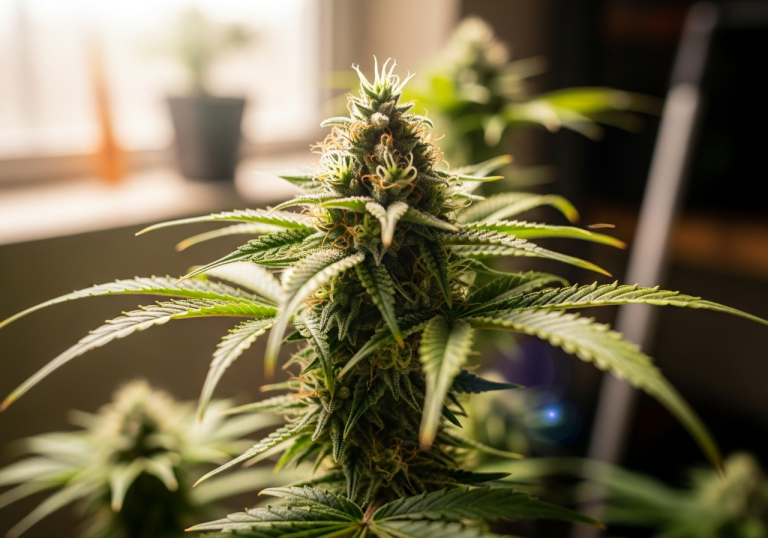
Indica is one of the primary subspecies of cannabis known for producing deeply relaxing, sedative effects often described as a “body high.” Indica strains originated in the mountainous regions of Afghanistan, Pakistan, and India, where they evolved to survive harsh, cold climates with shorter growing seasons. These physical adaptations resulted in shorter, bushier plants with broad leaves that contain unique chemical profiles rich in relaxing compounds.
For medical marijuana patients, understanding indica is essential because these strains provide targeted relief for conditions requiring sedation, pain management, and sleep support. Indica strains are characterized by higher levels of the terpene myrcene and often feature balanced THC-to-CBD ratios that promote physical relaxation without overwhelming psychoactivity. When you receive your medical marijuana card, budtenders at dispensaries will help you select indica strains appropriate for your specific medical condition and symptom relief needs.
What is Indica?
Indica Definition
Indica is a subspecies of the Cannabis sativa plant that was first formally classified by French biologist Jean-Baptiste Lamarck in 1785. The term “indica” is Latin for “of India,” reflecting the regions where these plants were originally discovered and cultivated. Indica plants are distinctly different from their sativa counterparts in both physical appearance and chemical composition.
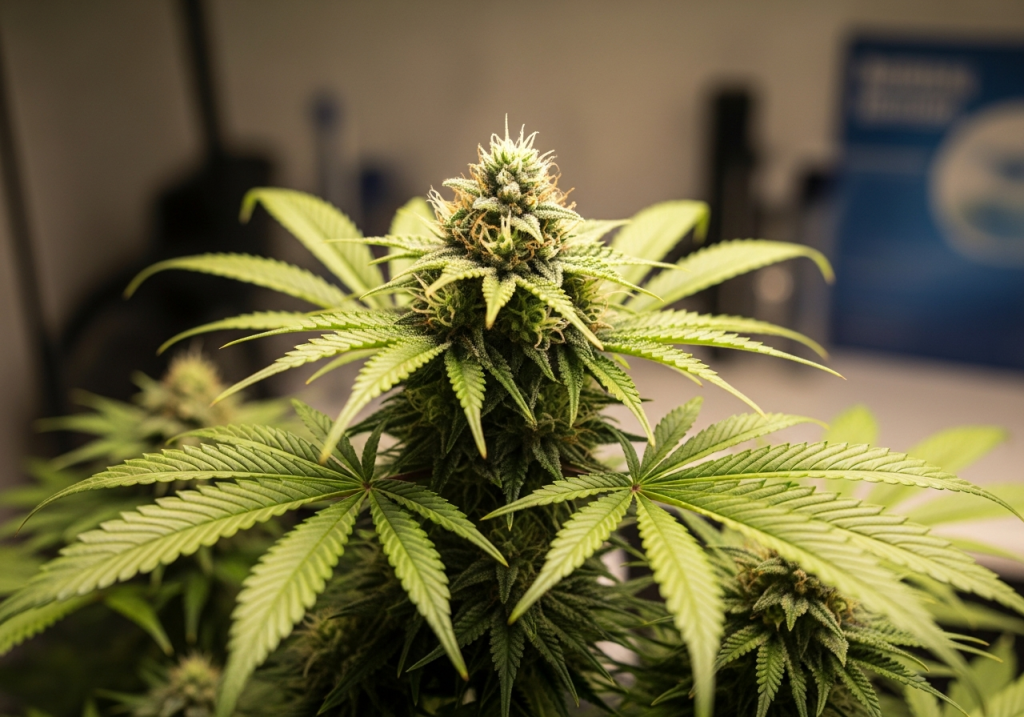
From a botanical perspective, indica plants are short and stocky, typically reaching heights of three to six feet. They feature broad, chunky leaves with a deep green color and sometimes purple hues. The plant’s compact, bushy structure allows it to thrive in harsh mountain climates with cold winters and short growing seasons. This shorter flowering time makes indica strains faster to harvest compared to sativa varieties.
Chemically, indica strains have evolved to produce specific cannabinoid and terpene profiles that create their signature effects. Traditional indica landraces tend to have higher CBD content than sativa strains, often approaching a 1:1 ratio of THC to CBD. However, what truly distinguishes indica from sativa is not just cannabinoid content but the presence of specific terpenes, particularly myrcene. When myrcene levels exceed 0.5 percent in a cannabis strain, it typically produces the sedative, relaxing effects associated with indica varieties.
Key Characteristics of Indica:
- Short, bushy plant structure with broad leaves
- Originated in Hindu Kush mountain regions of Afghanistan, Pakistan, and India
- Shorter flowering period (6-8 weeks) compared to sativa
- Higher myrcene content creating sedative effects
- Traditionally higher CBD content with balanced THC:CBD ratios
- Produces “body high” characterized by physical relaxation and sedation
How Indica Relates to Medical Marijuana
Medical marijuana patients interact with indica strains primarily for evening and nighttime symptom relief. Understanding indica’s sedative properties helps patients choose products that provide therapeutic benefits without interfering with daytime responsibilities. The deeply relaxing effects make indica ideal for managing symptoms that worsen at night or require sustained relief during rest periods.
Medical Applications:
Indica is particularly important for medical cannabis because:
- Chronic Pain Management: Indica strains interact with CB1 receptors in the nervous system to reduce pain signal transmission throughout the body. The combination of THC, CBD, and pain-relieving terpenes like myrcene and caryophyllene provides comprehensive relief for chronic pain conditions including arthritis, fibromyalgia, neuropathic pain, and cancer-related pain. The muscle-relaxing properties of indica further enhance pain relief by reducing physical tension that exacerbates discomfort.
- Sleep Disorder Treatment: The high myrcene content in indica strains produces sedative effects that help patients fall asleep faster and maintain deeper, more restorative sleep cycles. Indica is particularly effective for insomnia, sleep disturbances related to PTSD, and chronic pain that interferes with sleep quality. By extending the duration of deep sleep phases, indica promotes physical recovery and cognitive function restoration.
- Anxiety and Stress Reduction: Indica’s calming properties help quiet racing thoughts and reduce the physical symptoms of anxiety such as muscle tension and rapid heartbeat. The balanced CBD content in many indica strains helps mitigate potential anxiety that higher THC levels might cause in sensitive patients. This makes indica an effective option for generalized anxiety disorder, social anxiety, and stress-related conditions.
Clinical Perspective:
Medical cannabis physicians consider indica strains when recommending treatment for patients with conditions that benefit from sedation and physical relaxation. Patients with chronic pain often benefit from indica-dominant strains in the evening to manage nighttime pain and improve sleep quality. Those with anxiety disorders may prefer indica strains with higher CBD ratios to achieve calming effects without excessive psychoactivity. Physicians typically advise starting with lower doses of indica in the evening to assess tolerance and avoid next-day grogginess.
Complete Guide to Medical Cannabis Certification for Beginners
Indica Medical Marijuana Card
Once you receive your medical marijuana card, you’ll have legal access to a wide variety of indica strains from licensed dispensaries with consistent, lab-tested quality. Medical dispensaries offer indica products specifically formulated for therapeutic use, with precise cannabinoid and terpene profiles tailored to different medical conditions. State-licensed dispensaries ensure all indica products undergo rigorous testing for potency, purity, and contaminants.
What You Can Access:
With your medical card, you can:
- Purchase medical-grade indica flower, concentrates, edibles, and tinctures with verified potency
- Receive expert guidance from medical budtenders trained in cannabis therapeutics and indica strain selection
- Access higher-potency indica products often restricted in recreational markets
- Pay lower taxes on indica purchases compared to recreational consumers (in most states)
- Consult with dispensary pharmacists about indica dosing, consumption methods, and strain combinations
- Review detailed lab reports showing exact THC, CBD, and terpene content for informed decision-making
Getting your medical marijuana card is fast and easy with Leafy DOC. Our licensed physicians can evaluate your qualifying condition and provide your indica recommendation in minutes, all online. We specialize in matching patients with appropriate indica strains for their specific symptoms and medical needs.
Understanding Indica’s Physical and Mental Effects: A Comprehensive Guide
Indica cannabis strains produce a distinctive constellation of physical and mental effects that distinguish them from other cannabis varieties. These effects result from the complex interplay between cannabinoids like THC and CBD, and aromatic compounds called terpenes that work together through what researchers call the “entourage effect.” Understanding how indica affects both body and mind helps medical marijuana patients make informed decisions about their treatment options.
Indica Effects on THE Body
Deep Muscle Relaxation and Tension Release
One of indica’s most pronounced physical effects is its ability to induce deep muscle relaxation throughout the entire body. This profound relaxation occurs because indica’s high THC content binds to CB1 cannabinoid receptors located throughout the central nervous system and muscles. When activated, these receptors reduce muscle contractions and promote a state of physical ease.
The terpenes myrcene and linalool significantly contribute to this muscle-relaxing effect. Myrcene, the most abundant terpene in indica strains, has well-documented muscle relaxant properties similar to those found in hops and lemongrass. When myrcene levels exceed 0.5 percent in a cannabis strain, it produces the characteristic sedative and muscle-relaxing effects associated with indica varieties. Linalool, which gives lavender its distinctive aroma, adds additional muscle-relaxing and calming properties.
For medical cannabis patients, this deep muscle relaxation provides relief from conditions characterized by muscle tension, tightness, and spasticity. Athletes recovering from intense workouts, individuals with physically demanding jobs, and patients with conditions like multiple sclerosis or cerebral palsy find significant therapeutic value in indica’s muscle-relaxing capabilities. The relaxation extends beyond just loosening tight muscles, it creates a full-body sensation of physical comfort and ease that many patients describe as their muscles “melting” into whatever surface they’re resting on.
Reduced Inflammation and Pain Relief
Indica strains demonstrate powerful anti-inflammatory and analgesic properties that make them highly effective for pain management. The cannabinoid CBD, which is often present in higher concentrations in indica strains compared to sativas, provides significant anti-inflammatory effects. Additionally, the terpene caryophyllene, abundant in many indica varieties, is unique among terpenes because it directly interacts with CB2 cannabinoid receptors, producing anti-inflammatory and pain-relieving effects.
This multi-pronged approach to pain relief addresses both the inflammation that causes pain and the perception of pain signals in the nervous system. THC reduces pain signal transmission by binding to CB1 receptors in the brain and spinal cord, effectively turning down the volume on pain signals. Meanwhile, CBD and caryophyllene work at the site of inflammation to reduce swelling and tissue damage that create pain in the first place.
Patients with arthritis, fibromyalgia, inflammatory bowel disease, and other inflammatory conditions report substantial relief from indica strains. The pain relief is often accompanied by improved mobility and function as inflammation decreases. Many medical cannabis patients turn to indica as a natural alternative to prescription painkillers and anti-inflammatory medications, finding that indica provides effective relief without the risk of addiction or severe gastrointestinal side effects associated with long-term use of NSAIDs and opioids.
The “Couch-Lock” Phenomenon
Perhaps the most famous, or infamous, physical effect of indica is “couch-lock,” a state of profound physical sedation where users feel so deeply relaxed that moving from the couch or bed feels nearly impossible. This intense sedation results from the combination of high THC content and elevated myrcene levels working together to produce maximum physical relaxation.
Renowned cannabis researcher Dr. Ethan Russo has explained that the sedative effects commonly attributed to indica strains are largely due to their myrcene content rather than CBD, which is actually stimulating in low to moderate doses. When myrcene levels are high, it enhances THC’s ability to cross the blood-brain barrier and produces the heavy, sedating sensation characteristic of couch-lock.
While some patients view couch-lock as an undesirable side effect, others specifically seek this profound sedation for managing severe insomnia, chronic pain that prevents rest, or extreme stress and anxiety. The key to managing couch-lock is understanding dosing, lower doses of indica provide relaxation without complete sedation, while higher doses produce the full couch-lock experience. Patients new to indica should start with small doses and gradually increase to find their optimal level of relaxation.
Cardiovascular and Physiological Calming
Indica strains produce calming cardiovascular effects including lowered blood pressure and reduced heart rate. These effects contribute to the overall sensation of physical calm and can be particularly beneficial for patients whose conditions are exacerbated by stress-related cardiovascular activation.
The relaxation of smooth muscle tissue throughout the body, including in blood vessels, allows for improved circulation and reduced cardiovascular strain. This physiological calming extends to the digestive system as well, where indica can reduce tension and cramping. Patients with conditions like irritable bowel syndrome or stress-related digestive issues often experience relief from indica’s whole-body relaxing effects.
Indica Benefits on Mental and Emotional Health
Quieting Racing Thoughts and Mental Chatter
One of indica’s most valued mental effects is its ability to quiet the constant stream of thoughts, worries, and mental chatter that characterizes anxiety and stress. The combination of THC and calming terpenes like linalool helps slow down the rapid-fire thought patterns that prevent mental relaxation.
This mental quieting doesn’t produce confusion or cognitive impairment in most users at therapeutic doses. Instead, it creates a peaceful mental state where thoughts flow more slowly and feel less urgent or distressing. Patients with anxiety disorders, PTSD, and stress-related conditions report that indica helps them achieve mental calm that feels elusive with traditional treatments.
The sedative properties of myrcene contribute to this mental quieting by promoting a shift away from the hyperalert, stress-activated state toward a more relaxed, parasympathetic nervous system response. This neurological shift allows the mind to disengage from worry cycles and rumination that characterize many anxiety and mood disorders.
Anxiety Reduction and Stress Relief
Indica strains are highly valued for their potent anti-anxiety effects. The calming properties stem from the synergistic action of THC, CBD, and anxiety-reducing terpenes like myrcene and linalool working together to soothe the mind and reduce the intensity of anxious thoughts.
Many indica strains feature balanced THC-to-CBD ratios approaching 1:1, which is particularly important for anxiety management. While THC alone can sometimes increase anxiety in sensitive individuals or at high doses, CBD helps moderate these psychoactive effects and provides its own anti-anxiety benefits. This balanced cannabinoid profile makes indica strains generally safer and more effective for anxiety relief compared to high-THC sativa strains.
Patients dealing with chronic anxiety, panic attacks, social anxiety, and general stress find that indica provides immediate relief by promoting a state of tranquility and mental peace. The anti-anxiety benefits extend beyond just symptom suppression, regular use of appropriate indica strains can help patients build a more resilient stress response over time by providing consistent relief that allows the nervous system to recalibrate.
Mood Enhancement and Emotional Well-Being
Beyond simply reducing negative emotions like anxiety and stress, indica strains actively promote positive mood states and emotional well-being. The mood-enhancing effects are primarily attributed to THC’s interaction with neurotransmitter systems in the brain, particularly those involving dopamine and serotonin that regulate mood, pleasure, and emotional response.
Users commonly report feelings of contentment, peace, and gentle euphoria when using indica strains. This isn’t the energetic, creative euphoria associated with sativa strains, but rather a warm, satisfied feeling of emotional comfort and well-being. Patients with depression, seasonal affective disorder, and other mood disorders find that indica can lift their spirits and create a more positive emotional baseline.
The mood enhancement works synergistically with indica’s physical relaxation effects, as physical tension releases and pain diminishes, emotional state naturally improves. This body-mind connection is particularly important for patients whose mood disorders are intertwined with chronic pain or physical health conditions.
Inward Focus and Introspection
Unlike sativa strains that often enhance social engagement and outward focus, indica promotes an inward, introspective mental state. Users describe feeling more connected to their inner experience, better able to process emotions, and more comfortable spending time in quiet reflection rather than seeking external stimulation.
This introspective quality makes indica particularly suitable for evening use, meditation, gentle yoga, or other practices that benefit from turning attention inward. Patients working on emotional processing, trauma recovery, or developing greater self-awareness sometimes find indica helpful for supporting therapeutic and personal growth work.
The decreased motivation for physical activity that accompanies indica use reflects this shift toward internal rather than external focus. While this can be viewed as a drawback for daytime productivity, it’s precisely what many patients need to rest, recover, and engage in the internal psychological work that promotes healing.
Appetite Stimulation
Indica strains are particularly effective at stimulating appetite, producing what’s commonly called “the munchies.” This effect results from THC binding to and activating CB1 cannabinoid receptors in brain regions that regulate hunger hormones like ghrelin and leptin. THC essentially tells the brain that the body is hungry, even when nutritional needs are already met.
Additionally, indica enhances the sense of taste and smell, making food more appealing and enjoyable. For patients undergoing chemotherapy, those with eating disorders, HIV/AIDS-related wasting, or other conditions that suppress appetite, this effect is profoundly therapeutic. The ability to regain appetite and maintain adequate nutrition is critical for recovery and quality of life.
The appetite stimulation works alongside indica’s anti-nausea properties and anxiety reduction, all of which contribute to improved nutritional intake. Patients who have lost their appetite due to stress, anxiety, or depression often find that indica helps them rediscover the pleasure of eating while simultaneously addressing the psychological factors suppressing their hunger.
Duration:
Effects typically last 2-4 hours when indica is smoked or vaporized, with onset occurring within 5-15 minutes. Edible indica products take 30-90 minutes to produce effects but last significantly longer, typically 6-8 hours or more. Tinctures placed under the tongue produce effects within 15-30 minutes and last 4-6 hours. The extended duration of indica effects makes it ideal for overnight symptom management and sustained pain relief.
Indica Strains for Medical Conditions
Indica strains are most effective for conditions requiring sedation, pain relief, and muscle relaxation. Patients with chronic pain, sleep disorders, and anxiety typically report the best results with indica-dominant varieties. The specific terpene and cannabinoid profiles in different indica strains make some more suitable for particular symptoms.
Best Indica Strains for Medical Use:
- Northern Lights – Best for insomnia and sleep disorders; provides fast-acting euphoria followed by deep sedation ideal for nighttime use
- Granddaddy Purple – Best for chronic pain and muscle spasms; high myrcene content creates powerful body relaxation and pain relief
- Bubba Kush – Best for anxiety and stress; earthy, calming effects promote mental tranquility without excessive sedation
- Afghan Kush – Best for inflammation and pain; traditional landrace strain with pure indica genetics and potent analgesic properties
- Purple Punch – Best for insomnia and appetite stimulation; sweet, sedating effects help patients sleep and regain healthy appetite
Terpene Profiles in Indica Strains
Indica strains commonly contain:
- Myrcene – The most abundant terpene in indica, myrcene levels above 0.5% create sedative effects and enhance THC’s ability to cross the blood-brain barrier. Found in hops and lemongrass, myrcene provides the characteristic “couch-lock” sensation.
- Caryophyllene – This spicy terpene is the only one known to interact directly with CB2 cannabinoid receptors, providing anti-inflammatory and pain-relieving effects. Common in black pepper and cloves, caryophyllene enhances indica’s therapeutic potential for pain management.
- Linalool – With its floral, lavender-like aroma, linalool contributes to indica’s anti-anxiety and sedative properties. This terpene promotes relaxation and can help reduce the psychoactive intensity of THC for anxious patients.
- Humulene – Found in hops and coriander, humulene provides appetite suppression (unlike most cannabis effects) and anti-inflammatory benefits, making it valuable for specific medical applications.
Recommended for These Conditions:
- Chronic Pain – Indica strains with high myrcene and caryophyllene provide sustained pain relief
- Insomnia – High-myrcene indicas promote deep, restorative sleep
- Anxiety Disorders – Balanced THC:CBD indica strains with linalool reduce anxiety without excessive sedation
- Arthritis – Anti-inflammatory terpenes in indica reduce joint pain and swelling
- Multiple Sclerosis – Muscle-relaxing properties help manage spasticity and pain
- PTSD – Evening indica use promotes relaxation and improved sleep quality
- Fibromyalgia – Full-body pain relief and improved sleep address core symptoms
- Cancer Symptoms – Pain management, nausea relief, and appetite stimulation
How to Use Indica Safely

Using indica correctly ensures you receive therapeutic benefits while minimizing side effects like excessive sedation or next-day grogginess. Following these guidelines helps patients find their optimal indica dose and consumption method.
Dosing Guidelines:
- Beginners: Start with 2.5-5mg THC for edibles or one small inhalation for flower/vape. Wait at least 2 hours before consuming more edibles or 15 minutes for inhaled products.
- Experienced Patients: 10-20mg THC typically provides effective symptom relief for those with established tolerance.
- Tolerance Considerations: Regular indica use builds tolerance over time, requiring higher doses for the same effects. Taking periodic tolerance breaks (2-3 days) helps maintain effectiveness.
Step-by-Step Guide for Indica Flower:
- Choose Your Strain: Select an indica strain based on your primary symptom (pain, sleep, anxiety)
- Prepare Your Method: Use a pipe, bong, or vaporizer for immediate effects
- Start with One Inhalation: Take a small inhalation and wait 15 minutes to assess effects
- Evaluate Your Response: Notice physical relaxation, pain relief, and mental calmness
- Adjust as Needed: Take additional small doses if symptom relief is insufficient
Safety Tips:
- Don’t drive or operate machinery for at least 4-6 hours after using indica
- Keep all indica products in child-resistant containers away from minors
- Store indica flower in airtight containers away from light and heat
- Start low and go slow, especially with edibles that have delayed onset
- Avoid mixing indica with alcohol or sedative medications without physician approval
- Use indica in a comfortable, safe environment, especially when trying new strains
What to Expect:
- Onset: Effects begin in 5-15 minutes (inhaled) or 30-90 minutes (edibles)
- Peak: Maximum effects occur at 30-60 minutes (inhaled) or 2-4 hours (edibles)
- Duration: Effects last 2-4 hours (inhaled) or 6-8 hours (edibles)
- Comedown: Effects gradually subside with potential for mild grogginess the next day if using late at night or in high doses
Understanding the Indica vs Sativa Debate
While indica and sativa labels remain widely used in dispensaries, modern cannabis research reveals these classifications are more complex than traditionally believed. Leading cannabis researcher Dr. Ethan Russo has called the indica/sativa distinction “total nonsense” when used to predict effects based solely on plant appearance.
The Scientific Reality:
Recent genetic studies show that strains labeled “indica” are often just as closely related to strains labeled “sativa” as they are to other indica strains. Decades of crossbreeding and hybridization have blurred the genetic distinctions between these subspecies. Research from Dalhousie University found that indica and sativa labels are largely meaningless from a genetic standpoint.
What actually determines a strain’s effects is its chemical composition, specifically the combination of cannabinoids (THC, CBD, and others) and terpenes. A strain produces “indica-like” effects not because of how the plant looks, but because it contains specific chemical compounds that create relaxation and sedation.
The Role of Terpenes:
Terpenes are the aromatic compounds that give cannabis its distinctive smells and play a crucial role in determining effects through the “entourage effect”, the theory that cannabinoids and terpenes work synergistically to produce therapeutic benefits.
The presence of myrcene above 0.5% is what typically creates the sedative, “indica” experience. Strains with high limonene (citrusy) tend to be more uplifting, while those rich in linalool (floral) promote relaxation. This explains why some “sativa” strains can feel relaxing and some “indica” strains can be energizing, it depends on their terpene profile, not their plant structure.
Modern Classification Systems:
Scientists are developing new classification systems based on measurable chemical profiles rather than plant appearance. The University of New Mexico created the world’s first cannabis flower indexing system using four-character codes based on THC, CBD, and primary and secondary terpenes. This approach allows patients and healthcare providers to select products based on their actual chemical content rather than outdated botanical categories.
What This Means for Patients:
For medical marijuana patients, the key takeaway is that you should focus on a strain’s lab-tested cannabinoid and terpene profile rather than simply choosing “indica” or “sativa.” Look for strains high in myrcene if you want sedative effects, regardless of whether they’re labeled indica or sativa. Many dispensaries now provide detailed lab reports showing exact terpene percentages, allowing for more informed strain selection.
That said, the indica label remains useful as general shorthand at dispensaries to indicate products likely to provide relaxing, sedative effects, even if the underlying science is more nuanced than the simple indica/sativa binary suggests.
Related Cannabis Terms
Understanding indica is easier when you also know these related terms:
Directly Related Terms:
- Sativa – The other primary cannabis subspecies, traditionally associated with energizing, cerebral effects, though modern research shows the indica/sativa distinction is chemically oversimplified
- Hybrid – Cannabis strains bred from both indica and sativa genetics, often labeled as “indica-dominant” or “sativa-dominant” based on their predominant effects
- Myrcene – The most abundant terpene in indica strains that creates sedative effects when present above 0.5%
Compare & Contrast:
- Indica vs Sativa – Indica provides body-focused relaxation while sativa offers cerebral stimulation
- Indica vs Hybrid – Pure indica provides maximum sedation while hybrids balance relaxation with functionality
- THC vs CBD – THC creates psychoactive effects while CBD moderates them and adds therapeutic benefits
Qualifying Conditions for Medical Cannabis
Indica can help treat many qualifying medical conditions. If you have any of the following conditions, you may be eligible for a medical marijuana card:
- Chronic Pain
- Anxiety Disorders
- PTSD
- Chronic Kidney Disease
- Epilepsy
- Multiple Sclerosis
- Crohn’s Disease
- Diabetes
- Insomnia
- Depression
- Neuropathy
- Parkinson’s
- Alzheimer’s Disease
- Glaucoma
- HIV/AIDS
Do you qualify? Consult a professional health coach to determine your eligibility.
Frequently Asked Questions
What is the difference between indica and sativa?
Indica and sativa are two subspecies of cannabis with different physical characteristics and traditionally different effects. Indica plants are short and bushy with broad leaves, while sativa plants are tall and thin with narrow leaves. Traditionally, indica has been associated with relaxing, sedative “body high” effects, while sativa is linked to energizing, cerebral “head high” effects.
However, modern research shows these distinctions are oversimplified. The actual effects depend on a strain’s chemical composition, particularly its terpene profile, rather than whether it’s botanically classified as indica or sativa. Strains with high myrcene content (typically labeled indica) produce sedative effects, while those with high limonene (often labeled sativa) tend to be more uplifting.
Does indica help with pain?
Yes, indica strains are highly effective for pain management and are among the most popular choices for medical cannabis patients with chronic pain conditions. Indica’s pain-relieving properties come from multiple mechanisms: THC binds to CB1 receptors in the nervous system to reduce pain signal transmission, CBD provides anti-inflammatory effects, and terpenes like myrcene and caryophyllene offer additional analgesic benefits.
The muscle-relaxing properties of indica further enhance pain relief by reducing physical tension that often accompanies and exacerbates pain conditions. Patients with arthritis, fibromyalgia, neuropathic pain, cancer-related pain, and back pain report significant relief from indica strains, particularly when used in the evening or at night.
Will indica make me sleepy?
Yes, most indica strains have sedative properties that promote sleepiness, which is why they’re typically recommended for evening and nighttime use. The sedative effects are primarily caused by high levels of the terpene myrcene, which produces drowsiness and deep physical relaxation. Some potent indica strains can cause “couch-lock,” a state of profound sedation where users feel too relaxed to move or stay alert.
However, the degree of sleepiness depends on the dose, your individual tolerance, and the specific strain’s terpene profile. Lower doses of indica may provide relaxation without extreme sedation, while higher doses are more likely to induce sleep. If you need to remain functional, consider using indica-dominant hybrids with balanced effects or consuming indica only in the evening.
Can I use indica during the day?
While indica is traditionally recommended for evening use due to its sedative properties, some patients successfully use low doses of certain indica strains during the day for pain management or anxiety relief. The key is choosing indica strains with moderate THC levels and balanced terpene profiles that won’t cause excessive drowsiness.
Indica-dominant hybrids often provide therapeutic benefits like pain relief and anxiety reduction while allowing patients to maintain productivity and alertness. Start with very low doses during the day and assess how your body responds before increasing. Many patients reserve pure indica strains for nighttime and use sativa-dominant or balanced hybrids for daytime symptom management.
What does indica do for anxiety?
Indica strains can be highly effective for anxiety relief due to their calming, sedative properties that quiet racing thoughts and reduce the physical symptoms of anxiety such as muscle tension and rapid heartbeat. The combination of cannabinoids and relaxing terpenes like linalool and myrcene helps activate the parasympathetic nervous system, promoting a state of calm.
Many indica strains contain balanced THC:CBD ratios, which is important for anxiety management because CBD helps moderate THC’s psychoactive effects and prevents the anxiety that high-THC products can sometimes cause in sensitive individuals. Patients with generalized anxiety disorder, social anxiety, and stress-related conditions often prefer indica strains for evening relaxation and improved sleep quality, as anxiety and insomnia frequently occur together.
How long do indica effects last?
The duration of indica effects varies based on consumption method, dose, and individual metabolism. When smoking or vaping indica flower or concentrates, effects typically begin within 5-15 minutes, peak at 30-60 minutes, and last 2-4 hours total. This rapid onset makes inhalation ideal for acute symptom relief.
Indica edibles take much longer to produce effects (30-90 minutes) but last significantly longer, typically 6-8 hours or more. The extended duration makes edibles excellent for overnight pain relief and sleep support. Tinctures fall in the middle, with onset at 15-30 minutes and duration of 4-6 hours. First-time indica users should start with lower doses and allow adequate time to feel full effects before consuming more.
Can indica strains help with sleep disorders?
Yes, indica strains are widely used and highly effective for treating insomnia and other sleep disorders. The high myrcene content in indica varieties produces sedative effects that help patients fall asleep faster and maintain deeper, more restorative sleep throughout the night. Indica extends the duration of deep sleep phases, which are crucial for physical recovery and cognitive function.
Patients with insomnia, sleep disturbances related to chronic pain, PTSD-related nightmares, and restless sleep report significant improvements when using indica strains before bed. Popular sleep-promoting indica strains include Northern Lights, Bubba Kush, and Purple Punch. For best results, consume indica 30-60 minutes before your desired bedtime and establish a consistent nighttime routine.
Are there any side effects of indica?
Like all cannabis products, indica can cause side effects, though they’re generally mild and manageable. Common indica side effects include dry mouth (cottonmouth), dry or red eyes, increased appetite (the munchies), dizziness, and drowsiness. Some users experience “couch-lock”, profound physical sedation that makes movement feel difficult.
Higher doses or late-night use can cause next-day grogginess, especially in new users or those with lower tolerance. To minimize side effects, start with low doses, stay hydrated, use indica earlier in the evening rather than right before bed, and choose strains with balanced THC:CBD ratios. Most side effects decrease as tolerance develops with regular use.
What is “couch-lock” and how do I avoid it?
“Couch-lock” is a state of profound physical sedation and relaxation caused by high-potency indica strains, where users feel too comfortable and relaxed to move from the couch or bed. This effect results from high THC content combined with elevated myrcene levels that produce maximum sedation.
While some patients seeking deep relaxation or sleep actually desire couch-lock, others find it excessive. To avoid couch-lock, start with lower doses of indica, choose strains with moderate THC levels (10-15% rather than 20%+), opt for indica-dominant hybrids rather than pure indicas, and avoid consuming indica when you need to remain active or productive. If you do experience couch-lock, don’t fight it, relax and let the effects pass naturally over several hours.
Get Approved for Your Medical Marijuana Card in Minutes!

- Alternaleaf. (n.d.). Cannabis indica. https://www.alternaleaf.co.uk/post/cannabis-indica
- Britannica. (n.d.). Cannabis indica. https://www.britannica.com/plant/Cannabis-indica
- Cresco Labs. (n.d.). Indica vs. sativa. https://www.crescolabs.com/indica-vs-sativa/
- Curaleaf Clinic. (n.d.). Indica vs sativa: What’s the difference? https://curaleafclinic.com/indica-vs-sativa-whats-the-difference/
- Footprints to Recovery. (n.d.). Sativa vs. indica side effects. https://footprintstorecovery.com/blog/sativa-indica-side-effects/
- Hometown Hero. (n.d.). What is indica? https://hometownhero.com/learn/what-is-indica/
- Marijuana Guides. (n.d.). Indica strains. https://www.marijuana-guides.com/strains/indica/
- Medical News Today. (n.d.). Indica vs sativa. https://www.medicalnewstoday.com/articles/indica-vs-sativa
- Napa Cannabis Collective. (n.d.). 10 surprising benefits of indica you need to know. https://www.napacannabiscollective.com/indica/10-surprising-benefits-of-indica-you-need-to-know
- Releaf. (n.d.). Sativa vs indica: The outdated debate. https://releaf.co.uk/blog/sativa-vs-indica-the-outdated-debate
- SunMed Growers. (2024). Indica effects: Things to know (2024). https://www.sunmedgrowers.com/education-resources/blog/post/indica-effects-things-to-know-2024/
- Verywell Health. (n.d.). Indica vs. sativa. https://www.verywellhealth.com/indica-vs-sativa-1123887
- WebMD. (n.d.). Indica vs. sativa: What’s the difference? https://www.webmd.com/mental-health/addiction/indica-vs-sativa-whats-the-difference
- Wikipedia contributors. (n.d.). Cannabis indica. In Wikipedia. Retrieved December 3, 2025, from https://en.wikipedia.org/wiki/Cannabis_indica
Our Commitment to Medical Accuracy
At Leafy DOC, every piece of content is created with care and reviewed by licensed medical professionals. Our experts ensure that health information is not only evidence-based but also easy to understand and practical for everyday life. We regularly update our resources to reflect the latest research, so you can make informed decisions about your wellness journey with confidence.
Reviewed by
Dr. Hannah Russo, MD, MPH
Dr. Hannah Russo is an internal medicine doctor and public health advocate with extensive experience in telemedicine and cannabis education. Her work bridges clinical practice and digital health, ensuring that patients receive safe, informed, and convenient care. She is passionate about expanding access to natural, evidence-based therapies for chronic conditions.

Written by :
Nida Hammad
Last Updated :
December 3, 2025
Related Terms From The Cannabis Glossary
-

Sativa
Breaking down Sativa’s energizing effects, medical benefits, and how Sativa differs from Indica. -
psychoactive
Learn how psychoactive substances work, their therapeutic health benefits, consumption methods, and the benefits of medical marijuana cards. -
Topicals
Discover tropical cannabis pain relief benefits, skin care applications, and how to use CBD and THC creams safely. Get your medical card today. -
Hemp
Learn hemp vs marijuana differences, CBD benefits, industrial uses, cultivation, and how hemp supports medical cannabis treatment without intoxication. -
Cannabinoids
Learn what Cannabinoids mean for medical patients. Discover benefits, side effects, proper dosing, and which conditions Cannabinoids treat. -
Terpenes
Learn what terpenes mean for medical marijuana patients. Discover therapeutic effects, entourage benefits, major cannabis terpenes, and how they enhance treatment. -
Marijuana
Comprehensive marijuana guide: medical benefits, side effects, dosing, hemp vs marijuana differences, and how to get your medical card. -
CBD
Learn what CBD means for medical patients. Discover effects, benefits, proper dosing, and which conditions CBD treats. -
THC
Learn what THC is, how it works, and its key medical uses. Discover THC’s effects, health benefits, dosing tips, and safety guidelines.