
Hemp

by Nida Hammad
Last updated: December 3, 2025
Verified and Approved by:
Angela Morris,
MSW, LCSW
Fact Checked


Hemp: Complete Guide to Its Benefits, Myths, Facts and Dosage
Hemp is a variety of the Cannabis sativa plant that contains 0.3% or less THC by dry weight and is grown primarily for industrial and medicinal purposes rather than intoxication. Hemp is legally distinct from marijuana, making it federally legal in the United States and accessible without a medical marijuana card for certain products. Hemp produces CBD and other beneficial cannabinoids while remaining non-intoxicating, making it valuable for therapeutic applications, textiles, food products, construction materials, and thousands of other uses.
For medical marijuana patients, understanding hemp is essential because hemp-derived CBD products are widely available and offer therapeutic benefits without psychoactive effects. When you receive your medical marijuana card, you’ll have access to both hemp-derived products and medical cannabis products, giving you the full spectrum of treatment options for your qualifying condition.
What is Hemp?
Hemp DEFINITION
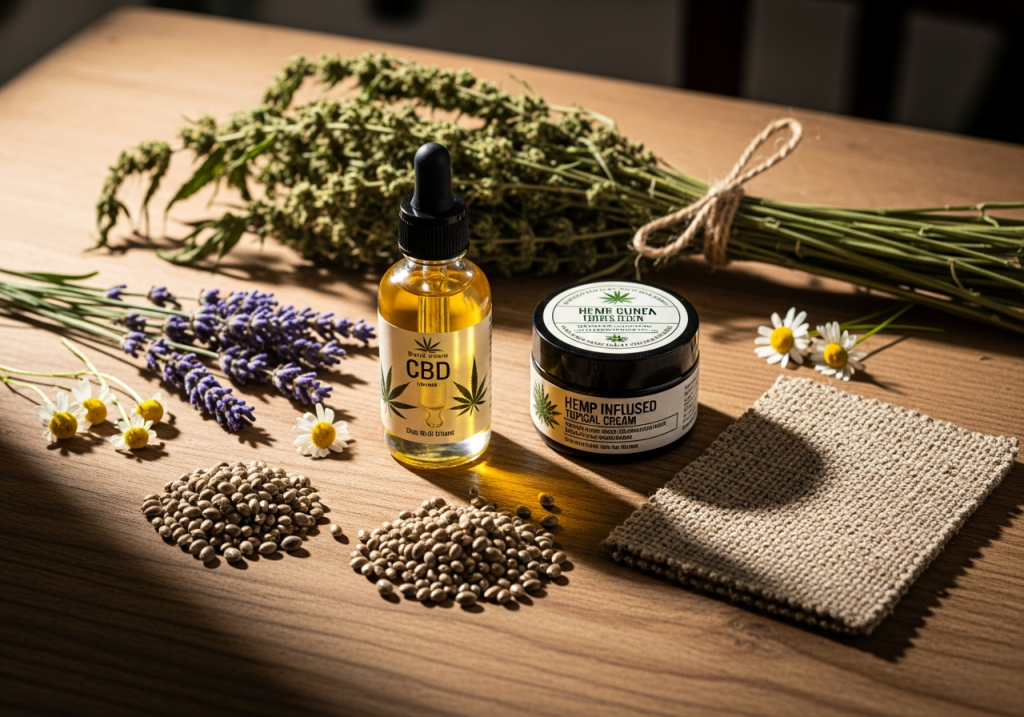
Hemp is a cultivar of Cannabis sativa L. that has been selectively bred for thousands of years to produce strong fibers, nutritious seeds, and beneficial cannabinoids while maintaining extremely low THC levels. The legal threshold of 0.3% THC was established by the 2018 Farm Bill to distinguish hemp from marijuana, though both are botanically the same species.
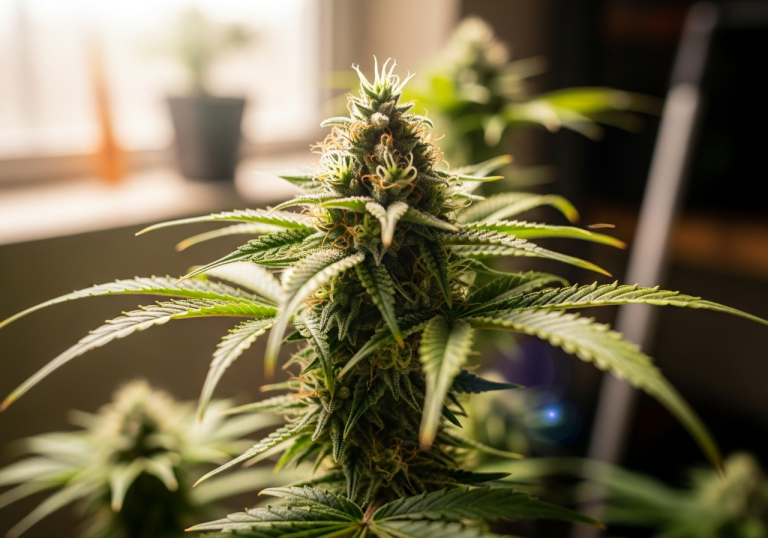
Hemp plants typically grow tall and slender with minimal branching, reaching heights of 10-15 feet when cultivated for fiber. The plant matures in approximately 100-120 days and can be grown densely for fiber production or with wider spacing for seed and cannabinoid production. Hemp grows rapidly, requires minimal pesticides, and naturally suppresses weeds, making it an environmentally sustainable crop.
The Cannabis sativa plant has been cultivated for at least 10,000 years, making hemp one of humanity’s oldest agricultural crops. Archaeological evidence shows hemp fiber use dating back to 8000 BC in Japan and 5000 BC in China, where it was used for clothing, rope, paper, and medicine long before its modern applications.
Key Characteristics of Hemp:
- Contains 0.3% or less THC by dry weight (legal definition)
- High in CBD and other non-intoxicating cannabinoids
- Tall, fibrous stalks ideal for industrial applications
- Seeds rich in protein, omega fatty acids, and nutrients
- Fast-growing crop that matures in 3-4 months
- Minimal pesticide requirements and sustainable cultivation
How Hemp Relates to Medical Marijuana
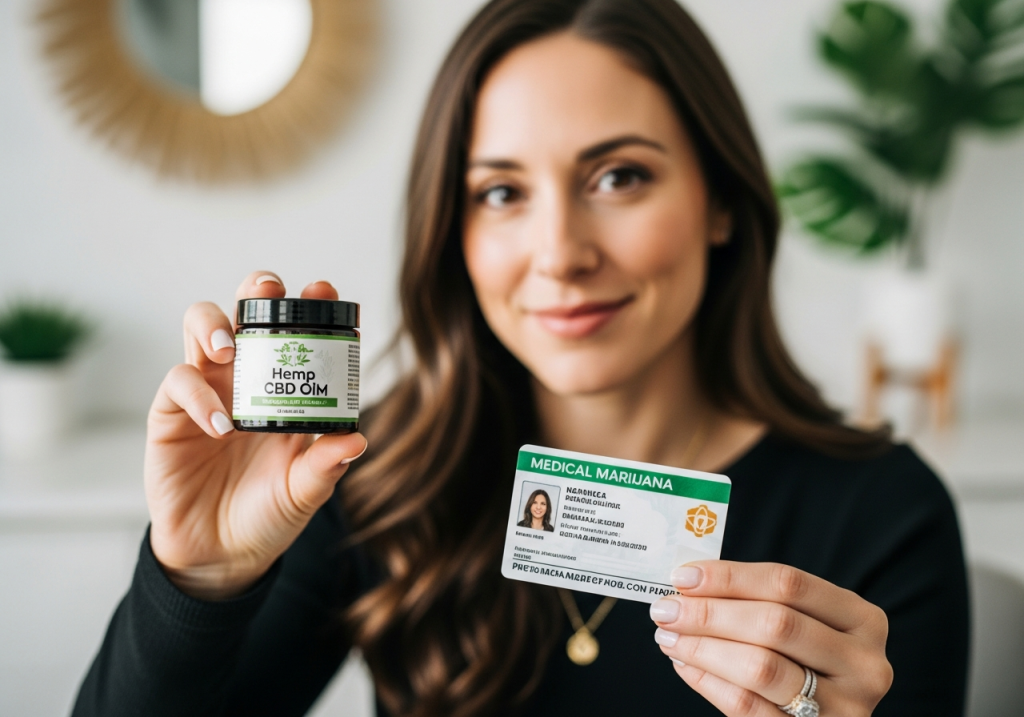
Hemp Medical marijuana patients interact with hemp primarily through CBD products, hemp seed supplements, and understanding the legal distinctions between hemp and marijuana. Hemp-derived CBD products are available nationwide without a medical card, while medical cannabis offers higher potency options with full-spectrum cannabinoids including therapeutic levels of THC.
Medical Applications:
Hemp is particularly important for medical cannabis because:
- Accessible CBD Source: Hemp provides legal access to CBD nationwide, allowing patients in non-legal states to experience cannabinoid therapy. Hemp-derived CBD products contain the same CBD molecule as marijuana-derived products but remain under the federal THC threshold, making them accessible at health stores, pharmacies, and online retailers without requiring a medical marijuana card.
- Non-Intoxicating Relief: Hemp offers therapeutic benefits without psychoactive effects, ideal for patients who need to remain clear-headed for work, driving, or daily responsibilities. Conditions like anxiety, inflammation, mild pain, and sleep issues often respond well to hemp-derived CBD, providing symptom management without the high associated with THC-rich cannabis.
- Nutritional Medicine: Hemp seeds and hemp seed oil provide essential fatty acids, complete protein, and nutrients that support overall health and complement medical cannabis treatment. Many medical marijuana patients use hemp seeds as part of an anti-inflammatory diet to enhance their cannabis therapy outcomes.
Clinical Perspective:
Medical cannabis physicians consider hemp when recommending treatment plans for patients with sensitivity to THC or those living in states without full medical marijuana programs. Patients with anxiety disorders often benefit from starting with hemp-derived CBD before progressing to balanced THC:CBD ratios. Hemp products serve as an entry point for cannabis therapy, helping patients understand how cannabinoids affect their bodies before exploring higher-potency medical marijuana options.
Hemp Medical Marijuana Card
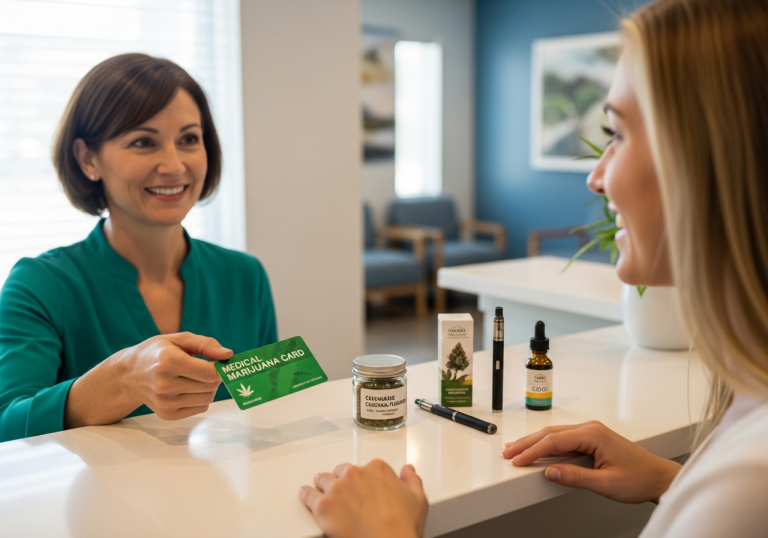
Once you receive your hemp medical marijuana card, you’ll have legal access to both hemp-derived products and medical-grade cannabis products from licensed dispensaries. Medical dispensaries offer pharmaceutical-grade CBD extracts with precise dosing, lab testing, and expert guidance that goes beyond what’s available in the hemp market.
What You Can Access:
With your medical card, you can:
- Purchase medical-strength CBD products with verified cannabinoid profiles and purity testing
- Access full-spectrum cannabis products that combine CBD, THC, and other cannabinoids for enhanced therapeutic effects through the entourage effect
- Receive personalized dosing guidance from medical budtenders trained in cannabis therapeutics for your specific condition
- Compare hemp-derived and cannabis-derived products to find the optimal treatment approach
- Pay lower taxes on medical products compared to recreational purchasers in most states
Getting your medical marijuana card is fast and easy with Leafy DOC. Our licensed physicians can evaluate your qualifying condition and provide your recommendation in minutes, all online. With your medical card, you’ll have access to the full range of cannabis medicine, from hemp-derived CBD to high-THC therapeutics.
Discover the Step-by-step Guide to get Medical Marijuana Card
Hemp Effects and Benefits
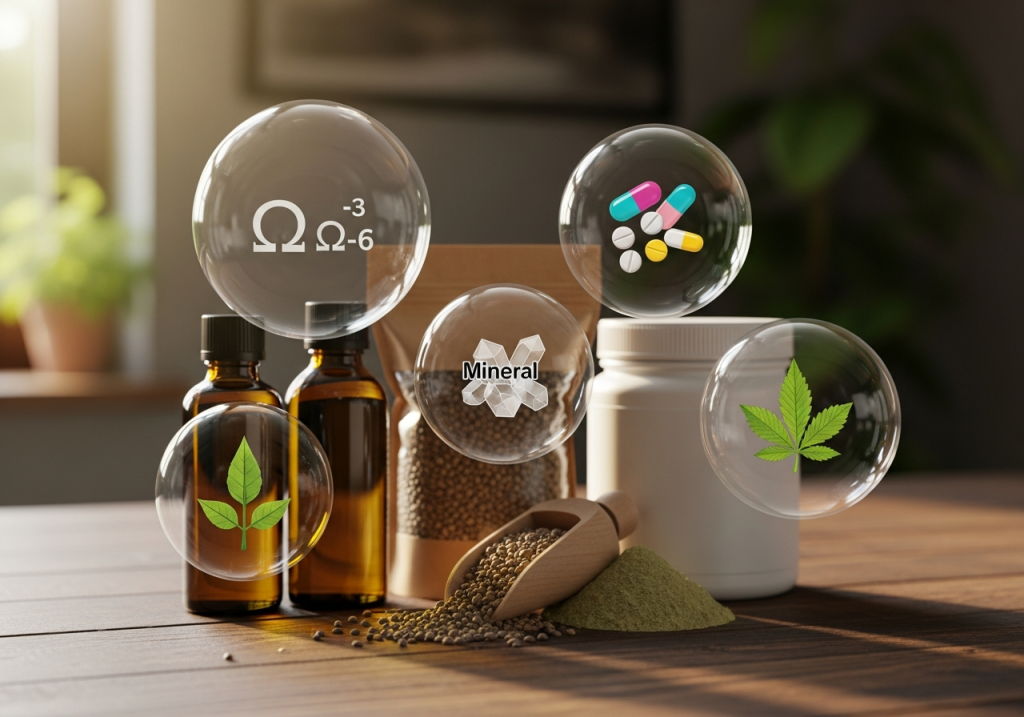
Hemp produces therapeutic effects primarily through CBD and other non-intoxicating cannabinoids like CBG, CBN, and CBC. These compounds interact with the endocannabinoid system to promote balance and wellness without causing intoxication or impairment.
The Complete Guide to Hemp Benefits: Science-Backed Health Advantages
Hemp seeds have earned their reputation as a nutritional powerhouse, offering an impressive array of health benefits backed by scientific research. These small, brown seeds are rich in protein, fiber, and healthful fatty acids, including omega-3s and omega-6s, making them one of nature’s most complete superfoods. Despite coming from the Cannabis sativa plant, hemp seeds produce no mind-altering effects, allowing you to enjoy their therapeutic and nutritional advantages without intoxication.
Whether you’re managing a chronic health condition, optimizing your diet, or exploring plant-based nutrition, understanding hemp’s benefits can transform your approach to wellness. This comprehensive guide explores the science-backed health advantages of hemp seeds, from cardiovascular protection to brain health, and provides practical guidance on incorporating these nutritional gems into your daily routine.
Complete Protein Source for Muscle and Tissue Health
Exceptional Protein Content
Hemp seeds contain almost as much protein as soybeans, with every 30 grams (about 3 tablespoons) providing 9.46 grams of protein. This makes hemp seeds one of the richest plant-based protein sources available, comparable to animal proteins in concentration but without the saturated fat and cholesterol concerns.
All Nine Essential Amino Acids
What truly distinguishes hemp protein is its completeness. Hemp seeds are a complete source of protein, providing all nine essential amino acids that the human body cannot produce on its own. This is exceptionally rare among plant foods, making hemp invaluable for vegetarians, vegans, and anyone seeking plant-based protein alternatives.
Essential amino acids serve as the building blocks for every protein structure in your body, from muscle tissue to enzymes, hormones, and neurotransmitters. Without adequate intake of all nine essential amino acids, your body cannot efficiently build and repair tissues, maintain immune function, or produce vital biochemical compounds.
Rich in Arginine for Cardiovascular Health
Hemp seeds are especially rich in an amino acid called arginine, which has benefits for heart health. Arginine serves as a precursor to nitric oxide, a molecule that dilates blood vessels, improves circulation, and helps maintain healthy blood pressure. This makes hemp protein particularly valuable for cardiovascular wellness, offering heart protection alongside muscle support.
Highly Digestible Protein
Hemp protein is highly bioavailable, meaning your body can efficiently absorb and utilize it. Unlike some plant proteins that contain anti-nutritional factors like phytates or lectins, hemp protein digests easily and provides rapid amino acid delivery to tissues. This digestibility makes hemp protein ideal for post-workout recovery, meal replacement shakes, or anyone with sensitive digestion.
Practical Applications:
- Add hemp seeds to smoothies for complete protein nutrition
- Use hemp protein powder as a plant-based alternative to whey
- Sprinkle hemp seeds on salads to boost protein content
- Mix into yogurt or oatmeal for sustained energy
- Incorporate into energy bars for convenient protein snacks
Optimal Essential Fatty Acid Profile
Balanced Omega-3 to Omega-6 Ratio
Hemp seeds are a great source of essential fatty acids, such as alpha-linolenic acid (ALA), which is an omega-3. The body cannot synthesize essential fatty acids and must obtain them through diet, making hemp seeds a crucial source of these vital nutrients.
The ratio of omega-3s to omega-6s is important, and in general, people tend to eat too many omega-6s and too few omega-3s, but adding hemp seeds to the diet may help to promote a balance. Hemp seeds naturally provide a 3:1 ratio of omega-6 to omega-3 fatty acids, which many nutritionists consider ideal for human health. This balanced ratio helps reduce inflammation, support brain function, and promote cardiovascular wellness.
Research-Backed Benefits
Research demonstrates hemp’s fatty acid benefits extend beyond human consumption. A 2015 animal study found that incorporating hemp seeds and hemp seed oil into hens’ diet led to eggs with increased levels of omega-3s in the yolks and a more healthful omega-3 to omega-6 ratio. This suggests hemp’s nutritional benefits can transfer through the food chain, potentially improving the quality of animal products when hemp is included in livestock feed.
Healthy Fat Composition
Hemp seeds are low in saturated fats and contain no trans fats, making them an exceptionally heart-healthy fat source. The predominance of polyunsaturated and monounsaturated fats supports cholesterol management, reduces cardiovascular disease risk, and provides sustained energy without the negative health impacts of saturated or trans fats.
Essential for Long-Term Health
Essential fatty acids are crucial for long-term health. They serve as structural components of cell membranes, precursors to anti-inflammatory compounds, and regulators of gene expression. Omega-3 fatty acids specifically support brain development, cognitive function, mood regulation, and inflammatory response throughout life.
Health Benefits of Hemp’s Fatty Acids:
- Brain Function: Omega-3s support cognitive performance, memory, and focus
- Inflammation Control: Balanced omega ratios reduce chronic inflammation
- Cardiovascular Protection: Essential fatty acids improve cholesterol profiles and reduce heart disease risk
- Hormone Production: Fats serve as building blocks for hormones and signaling molecules
- Skin Health: Essential fatty acids maintain skin moisture, elasticity, and repair
- Joint Health: Anti-inflammatory fats reduce joint pain and stiffness
Valuable Dietary Fiber for Digestive Wellness
Fiber Content in Whole Hemp Seeds
Much of the fiber in a hemp seed lies in its outer hull, or shell, making whole hemp seeds particularly valuable for digestive health. Even without the shells, hemp seeds are a good source of fiber, with three tablespoons containing approximately 1.2 grams. While this may seem modest, it provides meaningful dietary fiber alongside hemp’s other nutrients.
Multiple Health Benefits of Fiber
Hemp seed fiber offers diverse health advantages. Consuming enough fiber every day can reduce the appetite, help with weight management, work to stabilize blood sugar levels, and promote the health of the gut. These benefits make hemp seeds particularly valuable for metabolic health, diabetes management, and maintaining a healthy body weight.
Soluble and Insoluble Fiber
Whole hemp seeds contain both soluble and insoluble fiber, providing complementary digestive benefits. Soluble fiber dissolves in water, forming a gel-like substance that slows digestion, stabilizes blood sugar, and feeds beneficial gut bacteria. Insoluble fiber adds bulk to stool and promotes regular bowel movements, preventing constipation and supporting colon health.
Gut Microbiome Support
The fiber in hemp seeds serves as prebiotic fuel for beneficial bacteria in your digestive tract. A healthy gut microbiome influences everything from immune function to mood regulation, making fiber intake crucial for overall wellness. Hemp’s fiber feeds probiotics like Lactobacillus and Bifidobacterium species, promoting a balanced microbial ecosystem.
Digestive Health Applications:
- Regularity: Promotes consistent, comfortable bowel movements
- Satiety: Increases fullness and reduces overeating
- Blood Sugar Control: Slows glucose absorption for stable energy
- Cholesterol Management: Binds cholesterol and promotes excretion
- Colon Health: Supports healthy colon function and may reduce cancer risk
- Weight Management: Enhances satiety signals and reduces calorie intake
Rich in Essential Vitamins and Minerals
Impressive Micronutrient Profile
Hemp seeds contain an impressive array of vitamins and minerals and are especially rich in vitamin E, magnesium, phosphorus, and potassium. These micronutrients work synergistically with hemp’s macronutrients to support countless physiological processes throughout your body.
Comprehensive Vitamin B Complex
Hemp seeds are also a good source of iron, zinc, and B vitamins, including niacin, riboflavin, thiamine, vitamin B-6, and folate. The B vitamin complex supports energy metabolism, nervous system function, red blood cell formation, and DNA synthesis. This makes hemp seeds particularly valuable for maintaining energy levels, cognitive function, and cellular health.
Detailed Nutritional Breakdown
According to USDA data, 3 tablespoons of hemp seeds contain 166 calories with 9.47g protein, 2.60g carbohydrates, 1.20g fiber, and 14.62g total fatty acids. The fat composition includes monounsaturated, polyunsaturated, and minimal saturated fatty acids, creating an optimal lipid profile for health.
Key Mineral Functions
Magnesium: Supports muscle and nerve function, energy production, bone health, and stress management. Many people are deficient in magnesium, making hemp seeds a valuable dietary source.
Phosphorus: Essential for bone formation, energy metabolism, and DNA synthesis. Works closely with calcium to maintain skeletal integrity.
Potassium: Regulates fluid balance, muscle contractions, nerve signals, and blood pressure. Adequate potassium intake reduces stroke risk and supports cardiovascular health.
Iron: Critical for oxygen transport in blood, energy metabolism, and immune function. Plant-based iron from hemp seeds helps prevent anemia, especially when consumed with vitamin C.
Zinc: Supports immune function, wound healing, protein synthesis, and DNA production. Essential for taste perception and healthy skin.
Vitamin E: Powerful antioxidant that protects cells from oxidative damage, supports immune function, and promotes skin health.
Superior to Many Plant Foods
Hemp seeds are a healthful source of vitamin E and minerals such as calcium, iron, magnesium, potassium, and zinc, providing nutrient density that surpasses most grains, legumes, and vegetables. This concentrated nutrition makes hemp seeds an efficient way to meet multiple nutritional needs simultaneously.
Brain Protection and Neurological Support
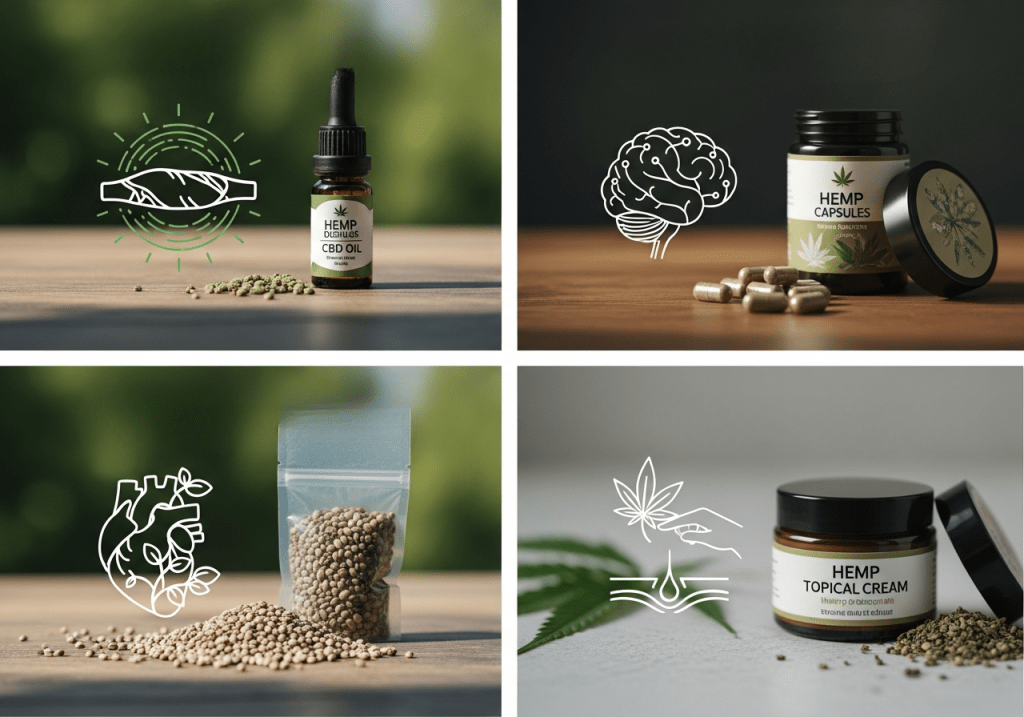
Hemp seeds demonstrate remarkable neuroprotective properties that may safeguard brain health and support neurological function. Laboratory research published in Food Chemistry found that hemp seed extract exhibits antioxidant effects, potentially stemming from the seeds’ cannabidiol (CBD) content.
These antioxidant properties are particularly significant for brain health because oxidative stress contributes to neurodegenerative diseases and cognitive decline. The brain’s high metabolic rate and lipid-rich composition make it especially vulnerable to oxidative damage from free radicals. Hemp seeds’ antioxidant compounds help neutralize these harmful molecules, potentially slowing age-related cognitive decline.
Research reviews suggest CBD’s properties may help with neurological conditions including Parkinson’s disease, Alzheimer’s disease, multiple sclerosis, neuropathic pain, and childhood seizure disorders. While these studies often involve concentrated hemp extracts rather than whole seeds, the presence of these beneficial compounds in dietary hemp seeds provides ongoing neuroprotective support.
The arginine content in hemp seeds also supports brain health indirectly. Arginine converts to nitric oxide in the body, which helps maintain healthy blood flow to the brain. Adequate cerebral circulation ensures the brain receives sufficient oxygen and nutrients while removing metabolic waste products efficiently.
For medical marijuana patients dealing with neurological conditions, incorporating hemp seeds into their diet provides complementary nutritional support alongside their primary cannabis therapy. The seeds’ omega-3 fatty acids, particularly alpha-linolenic acid (ALA), support brain structure and function, as these essential fats comprise a significant portion of brain cell membranes.
Practical Application: Consume 2-3 tablespoons of hemp seeds daily, adding them to morning smoothies or oatmeal. The consistent intake of neuroprotective compounds supports long-term brain health. Pair hemp seeds with other brain-healthy foods like blueberries, dark leafy greens, and fatty fish for comprehensive cognitive support.
Cardiovascular Health Enhancement
Hemp seeds deliver powerful cardiovascular benefits through multiple mechanisms, making them an excellent addition to heart-healthy diets. The medical community recognizes that omega-3 fatty acids improve heart health and reduce risks of arrhythmias and heart disease, and hemp seeds provide exceptional omega-3 content with an ideal balance of omega-6 fatty acids.
Hemp seeds contain high levels of arginine, an amino acid that converts to nitric oxide, which is essential for artery and vein dilation and helps keep blood vessel walls smooth and elastic. This vasodilation effect reduces blood pressure and decreases the workload on the heart, lowering the risk of cardiovascular events.
The omega-3 and omega-6 ratio in hemp seeds is particularly noteworthy. Most Western diets contain excessive omega-6 relative to omega-3 fatty acids, creating an inflammatory imbalance that contributes to cardiovascular disease. Hemp seeds help correct this imbalance naturally. Research with animal models showed that incorporating hemp seeds into diets increased beneficial omega-3 levels while improving the overall fatty acid ratio.
Hemp seeds also contain no trans fats and minimal saturated fats, both of which contribute to atherosclerosis and cardiovascular disease when consumed in excess. The healthy fats in hemp seeds actually support cardiovascular health by improving cholesterol profiles, reducing arterial plaque formation, and supporting overall vascular function.
The fiber content in whole hemp seeds (with hulls intact) provides additional cardiovascular protection. Dietary fiber helps reduce LDL cholesterol levels, stabilizes blood sugar to prevent insulin spikes that stress the cardiovascular system, and supports healthy weight management—all factors that reduce heart disease risk.
For medical marijuana patients with cardiovascular concerns, hemp seeds offer heart-healthy nutrition without drug interactions. Unlike some omega-3 supplements that may interact with blood thinners, food-based hemp seed consumption provides gentle cardiovascular support that complements medical treatment.
Practical Application: Add hemp seeds to salads with olive oil and leafy greens for a heart-healthy meal. The combination of hemp’s arginine, omega-3s, and vegetables’ antioxidants creates synergistic cardiovascular benefits. Use hemp seeds as a crunchy topping for heart-healthy fish dishes or mix into homemade energy bars with oats and dried fruit.
Inflammation Reduction Throughout the Body
Chronic inflammation underlies numerous diseases, from arthritis to heart disease to metabolic syndrome. Hemp seeds provide powerful anti-inflammatory compounds that help manage this widespread health concern. The omega-3 content and healthful omega-3 to omega-6 ratio work together to reduce inflammation.
Hemp seeds are a rich source of gamma linolenic acid (GLA), a polyunsaturated fatty acid that may have anti-inflammatory effects. GLA is particularly interesting because the body converts it to compounds called prostaglandins that actively reduce inflammation. While many foods contain omega-6 fatty acids that can promote inflammation, the specific GLA form found in hemp seeds does the opposite.
Animal studies demonstrate GLA’s anti-inflammatory potential, though researchers typically use concentrated hemp seed extracts in these investigations. The European Journal of Pharmacology published reviews supporting GLA’s anti-inflammatory properties. While eating whole hemp seeds produces less dramatic effects than concentrated extracts, regular consumption provides meaningful anti-inflammatory benefits over time.
Reducing inflammation may help manage symptoms of chronic diseases including metabolic syndrome, type 2 diabetes, arthritis, heart disease, and non-alcohol-related fatty liver disease. This makes hemp seeds valuable for individuals dealing with multiple inflammatory conditions simultaneously, as the seeds address the underlying inflammatory processes rather than just individual symptoms.
The magnesium content in hemp seeds also contributes to their anti-inflammatory effects. Magnesium deficiency is associated with increased inflammatory markers, and adequate magnesium intake helps regulate the body’s inflammatory response. Combined with omega-3s and GLA, hemp seeds provide multi-pathway anti-inflammatory support.
For medical marijuana patients, hemp seeds complement cannabis therapy’s anti-inflammatory properties. While CBD and other cannabinoids work through the endocannabinoid system to reduce inflammation, hemp seeds’ fatty acids and minerals provide additional anti-inflammatory pathways. This multi-faceted approach often proves more effective than targeting inflammation through a single mechanism.
Practical Application: Create a daily anti-inflammatory smoothie with hemp seeds, berries, spinach, and turmeric. The combination of hemp’s GLA, berries’ antioxidants, and turmeric’s curcumin provides comprehensive inflammation management. Consistently consuming 2-3 tablespoons daily yields better long-term results than sporadic higher doses.
Skin Health Improvement and Dermatological Support
Hemp seeds demonstrate remarkable benefits for skin health, addressing conditions from acne to eczema through their anti-inflammatory properties and essential fatty acid content. Atopic dermatitis and acne can both result from chronic inflammation, and the anti-inflammatory compounds in hemp seeds may help.
The skin is the body’s largest organ and reflects overall health, particularly inflammatory status and fatty acid balance. Many skin conditions stem from or are worsened by essential fatty acid deficiencies or imbalances. Hemp seeds’ ideal omega-3 to omega-6 ratio helps correct these imbalances when consumed regularly.
A 2018 review examining dietary changes’ effects on skin diseases found evidence that eating more omega-3s may improve acne symptoms, though more research is needed to determine the extent of effects. Beyond omega-3s, the review noted that prebiotics and plant fibers help manage atopic dermatitis symptoms, and hemp seeds serve as an excellent source of plant fiber when consumed with hulls intact.
The GLA content in hemp seeds is particularly valuable for skin health. GLA supports the skin’s barrier function, helping it retain moisture and protect against environmental irritants. This makes hemp seeds beneficial for dry skin, eczema, and conditions characterized by impaired skin barrier function. The vitamin E in hemp seeds provides antioxidant protection for skin cells, defending against UV damage and premature aging.
Hemp seed oil applied topically delivers these same fatty acids directly to the skin, though consuming whole hemp seeds provides systemic benefits that support skin health from within. The protein content also matters, skin continuously regenerates, requiring adequate protein for healthy cell turnover and tissue repair.
For medical marijuana patients using cannabis topicals for skin conditions, adding dietary hemp seeds enhances treatment from within. The combination of topical cannabinoid therapy and internal nutritional support often produces superior results compared to either approach alone.
Practical Application: Consume hemp seeds daily while using hemp seed oil topically for comprehensive skin support. Add 2-3 tablespoons of seeds to morning yogurt or smoothies, and massage hemp seed oil into clean skin before bed. This inside-out approach addresses both nutritional deficiencies and provides direct skin nourishment. Allow 6-8 weeks for full benefits as skin cells turn over.
Rheumatoid Arthritis Relief and Joint Health
Rheumatoid arthritis and other inflammatory joint conditions can significantly impact quality of life, and hemp seeds offer natural support for managing these painful conditions. Rheumatoid arthritis is an autoimmune condition causing the immune system to attack its own tissues, leading to joint inflammation.
Research conducted in human cells in 2014 suggested hemp seed oil could have anti-rheumatic effects. While a 2018 review noted that more research in humans is needed, the preliminary evidence combined with hemp seeds’ established anti-inflammatory properties makes them a reasonable dietary addition for arthritis management.
The multiple anti-inflammatory pathways in hemp seeds work synergistically to support joint health. The omega-3 fatty acids reduce inflammatory prostaglandins and cytokines that contribute to joint pain and swelling. GLA specifically helps manage morning stiffness and joint tenderness that characterize rheumatoid arthritis. The magnesium content supports muscle relaxation around inflamed joints, reducing pain and improving mobility.
Beyond inflammation reduction, hemp seeds’ complete protein supports the body’s tissue repair processes. Arthritis damages cartilage and connective tissues in joints, and adequate protein intake is essential for ongoing repair and maintenance. The amino acid profile in hemp seeds, particularly arginine, supports collagen production necessary for healthy joint structures.
Hemp seeds also help manage arthritis through their effects on overall health. The fiber content supports gut health, which is increasingly recognized as important in autoimmune conditions. A healthy gut microbiome may help modulate immune system activity, potentially reducing autoimmune attacks on joints. The omega-3 fatty acids also support cardiovascular health, which is important since arthritis patients face elevated cardiovascular disease risk.
For medical marijuana patients with arthritis, hemp seeds complement cannabis treatment beautifully. While medical cannabis provides direct pain relief and anti-inflammatory effects through cannabinoid receptors, hemp seeds support joint health through nutritional pathways. Many patients find this combination more effective than either approach alone, with the added benefit that hemp seeds are available without a medical card and cause no intoxication.
The mineral content deserves special mention for arthritis. Hemp seeds provide zinc, which supports immune function regulation—important in autoimmune conditions. The phosphorus and magnesium support bone health, helping maintain bone density that can decline in arthritis patients, especially those taking certain medications.
Practical Application: Create an arthritis-fighting breakfast bowl with hemp seeds, anti-inflammatory spices, and joint-supporting foods. Combine 2-3 tablespoons of hemp seeds with Greek yogurt (for additional protein), fresh berries (for antioxidants), turmeric (for curcumin’s anti-inflammatory effects), and ground flaxseed (for additional omega-3s). Consume this daily, preferably in the morning to help manage morning stiffness. Consider also using hemp seed oil in cooking, as it provides concentrated fatty acids. Track symptoms for 4-6 weeks, as inflammatory changes take time to manifest. Maintain consistent daily intake rather than sporadic consumption for optimal joint support.
Safety Considerations and Usage Guidelines
While hemp seeds offer impressive health benefits, proper usage ensures safety and effectiveness. Hemp seeds ideally contain no tetrahydrocannabinol (THC) and will not produce mind-altering effects. However, there are some considerations to keep in mind.
Athletes and others undergoing drug testing should be aware that consuming hemp products can, in some cases, lead to failed urine tests. The THC level in hemp products depends on suppliers and manufacturing processes. While legal hemp must contain less than 0.3% THC, trace amounts can accumulate in the body with regular high-dose consumption, potentially triggering positive drug screens.
Regarding daily consumption, moderation remains important. A person may consume three tablespoons of hemp seeds daily, and it is okay to eat hulled hemp seeds every day. However, since hemp seeds contain high fat levels like other nuts and seeds, excessive consumption could contribute to unwanted calorie intake.
Some evidence suggests that consuming very large amounts of hemp seeds might cause digestive upset due to the fiber content, particularly in individuals not accustomed to high-fiber diets. Starting with smaller amounts (1 tablespoon daily) and gradually increasing allows the digestive system to adapt.
The most healthful approach involves eating a varied diet containing diverse nutrient sources rather than relying heavily on any single food, even one as nutritious as hemp seeds. Combining hemp seeds with other nuts, seeds, whole grains, fruits, vegetables, and quality proteins creates comprehensive nutritional support.
Incorporating Hemp Seeds Into Your Diet
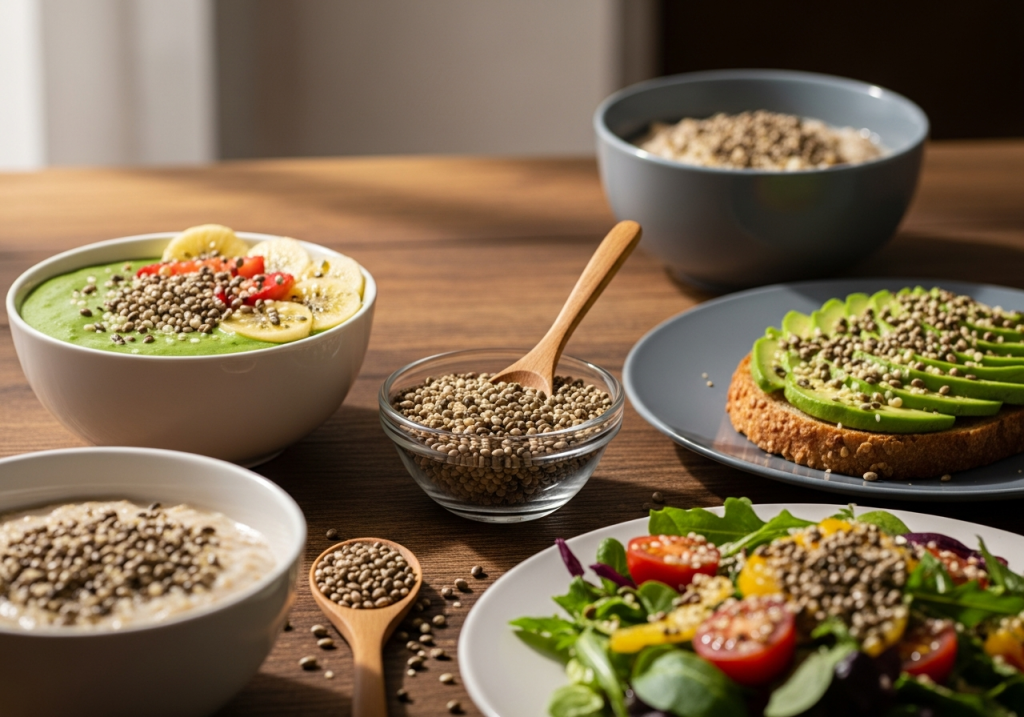
Hemp seeds’ mild, nutty flavor makes them incredibly versatile in the kitchen. Here are practical ways to incorporate them daily:
Breakfast Options:
- Sprinkle hemp seeds on cereal, oatmeal, or yogurt
- Blend into morning smoothies for protein and omega-3s
- Mix into pancake or waffle batter
- Add to overnight oats with berries and honey
Lunch and Dinner:
- Toss hemp seeds onto salads for crunch and nutrition
- Mix into grain bowls with vegetables and protein
- Sprinkle over roasted vegetables before serving
- Incorporate into homemade energy balls or protein bars
Snacks and Beverages:
- Make hemp milk by blending seeds with water and straining
- Create hemp seed butter as a nut-free spread alternative
- Add to homemade granola or trail mix
- Blend into hummus or other dips for added nutrition
Baking Applications:
- Add hemp seeds to bread, muffin, or cookie recipes
- Use hemp protein powder in baked goods for protein boost
- Mix into pie crusts for added nutrition and texture
When purchasing hemp seeds, look for products stored in cool, dark conditions to prevent omega-3 degradation. Whole seeds with hulls intact provide maximum fiber, though hulled hemp hearts offer easier consumption and digestion. Refrigerating hemp seeds after opening helps maintain freshness and prevents the healthy fats from becoming rancid.
Hemp seeds are increasingly available in mainstream supermarkets, typically in the health food or bulk sections. Health food stores and online retailers offer wider selections, including hemp milk, hemp protein powder, and hemp seed oil for culinary or topical use.
Hemp seeds stand out as a true superfood, delivering complete protein, ideal omega fatty acid ratios, substantial fiber, and impressive vitamin and mineral content. The five key benefits—brain protection, cardiovascular health, inflammation reduction, skin improvement, and arthritis relief—demonstrate hemp seeds’ wide-ranging therapeutic potential.
Hemp vs Marijuana: Understanding the Difference
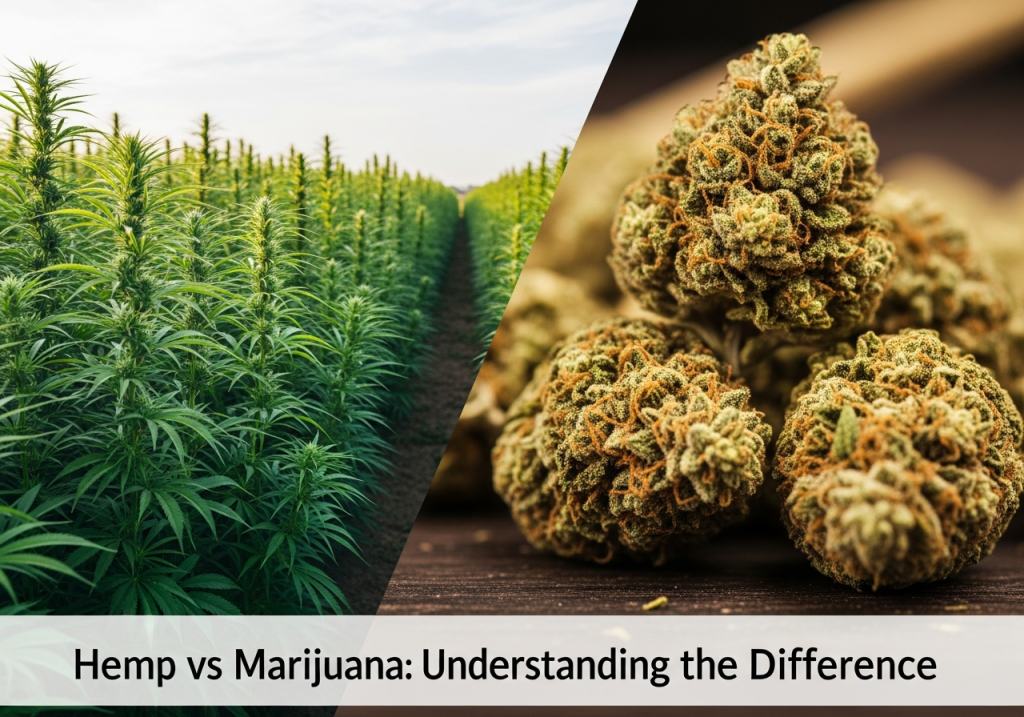
The distinction between hemp and marijuana is legal rather than botanical, as both are Cannabis sativa plants. Understanding these differences helps patients navigate the legal cannabis landscape and choose appropriate products.
| Category | Hemp | Marijuana |
|---|---|---|
| Primary Chemical Profile | High CBD, very low THC (≤0.3%) | High THC (15–30%), low-to-moderate CBD |
| Psychoactive Effects | Non-intoxicating; cannot produce a “high” | Produces psychoactive “high” due to high THC |
| Legal Status (U.S.) | Federally legal under the 2018 Farm Bill | Federally illegal; legal only in certain states |
| THC Threshold | Must be 0.3% THC or less | Anything above 0.3% THC |
| Plant Appearance | Tall (10–15 ft), slender, minimal branching; bamboo-like fields | Short (3–6 ft), bushy, many branches; Christmas-tree shape |
| Cultivation Style | Grown outdoors, densely planted (4 inches apart), minimal care | Grown indoors or outdoors with intensive care, spaced widely |
| Primary Purpose | Fiber, seeds, food, industrial products, CBD extracts | Psychoactive use, medical cannabis, recreational cannabis |
| Flower Importance | Not the main crop for industrial hemp (fiber/seed valued) | Flowers (buds) are the main harvest; THC concentrated here |
| Genetics | Genetically stable low-THC chemotypes | Selectively bred for high THC potency |
| Cross-Pollination Effect | Hemp pollen lowers THC in marijuana, ruining potency | Marijuana pollen can alter hemp seed genetics |
| Harvesting Method | Similar to agricultural crops like wheat/corn | Carefully timed and controlled horticultural harvesting |
| Can It Get You High? | No—CBD blocks any THC effect | Yes—high THC causes intoxication |
| Uses in Industry | Textiles, rope, biofuel, food products, paper, construction materials, CBD products | Medical cannabis, recreational products, extracts, edibles |
| Law Enforcement Burden | Minimal in countries with regulated systems | Higher due to psychoactive nature and misuse potential |
| Historical Treatment | Historically recognized as separate from marijuana | Treated as a drug crop in modern U.S. law until recently |
| Environmental Role | Provides habitat/food for wildlife; eco-friendly crop | Not typically cultivated for ecological benefit |
The critical difference between hemp and marijuana lies in their chemical composition, specifically the balance of cannabinoids they produce.
Understanding Cannabinoids
Cannabis is the only plant genus containing the unique class of molecular compounds called cannabinoids, with two predominating: THC (the psychoactive ingredient) and CBD (an antipsychoactive ingredient).
THC (Delta-9 Tetrahydrocannabinol): THC is responsible for the psychoactive effect, which was demonstrated conclusively in the 1960s. This is the compound that produces the “high” associated with marijuana use. Marijuana has been selectively bred over generations to maximize THC content, with modern strains often containing 15-30% THC by dry weight.
CBD (Cannabidiol): CBD has been shown to block the effect of THC in the nervous system. Rather than producing intoxication, CBD provides therapeutic benefits without psychoactive effects. Hemp naturally contains high levels of CBD relative to THC.
The Hemp-Marijuana Chemical Profile
Cannabis strains used for industrial purposes have relatively high levels of CBD versus THC, while drug strains are high in THC and low to intermediate in CBD. This chemical distinction is not arbitrary—it determines the plant’s effects and uses.
Smoking hemp, high in CBD and very low in THC, actually has the effect of preventing the marijuana high. This remarkable fact demonstrates just how different these plants truly are. Even when the amount of THC in a sample is as high as 2 percent, the psychological high is blocked by as little as 2 percent CBD.
Cannabis with THC below 1.0 percent and a CBD/THC ratio greater than one is not capable of inducing a psychoactive effect. Hemp, it turns out, is not only not marijuana—it could be called “antimarijuana.”
Genetic Stability
The balance of cannabinoids is determined by the genetics of the plant, and it is a stable characteristic of a given genotype. Plants don’t randomly change their cannabinoid profiles based on growing conditions. A hemp plant remains a hemp plant, and a marijuana plant remains a marijuana plant.
The Legal Definition
The 0.3% THC Threshold
The legal distinction between hemp and marijuana in the United States centers on THC content. Hemp is legally defined as Cannabis sativa containing 0.3% or less THC by dry weight. Marijuana is Cannabis containing more than 0.3% THC.
Current hemp varieties grown in Canada and Europe are certified to have THC levels below 0.3 percent. This threshold, while somewhat arbitrary, provides a clear legal boundary that distinguishes industrial hemp from drug cannabis.
In the United States, Cannabis with any detectable trace of THC was illegal for decades, regardless of the CBD content. The 2018 Farm Bill changed this by legalizing hemp production, finally recognizing the distinction between these functionally different plants.
Historical Legal Recognition
The United States government hasn’t always conflated hemp and marijuana. In fact, historical evidence shows clear recognition of the difference:
The 1937 Marijuana Tax Act defined marijuana but specifically excluded “the mature stalks of such plant, fiber produced from such stalks, oil or cake made from the seeds of such plant, any other compound, manufacture salt, derivative, mixture, or preparation of such mature stalks (except the resin extracted therefrom), fiber, oil, or cake” .
Assistant General Council Clinton Hester testified that “the form of the bill is such as not to interfere materially with any industrial, medical or scientific uses which the plant may have”. The bill was specifically designed to target marijuana while protecting the industrial hemp industry.
Harry J. Anslinger, Commissioner of the Federal Bureau of Narcotics, told the Senate Committee that those in the domestic hemp industry “are not only amply protected under this act, but they can go ahead and raise hemp just as they have always done it”.
During World War II, the situation became even clearer. After the Philippines fell to Japanese forces in 1942, the Department of Agriculture and the U.S. Army urged farmers to grow hemp, and more than 400,000 acres of hemp were cultivated in the United States between 1942 and 1945. This occurred without any change in drug laws, demonstrating that authorities clearly understood hemp and marijuana as distinct crops.
The 1961 United Nations Single Convention on Narcotic Drugs expressly recognized the distinction between marijuana and industrial hemp, stating: “This Convention shall not apply to the cultivation of the Cannabis plant exclusively for industrial purposes (fiber and seed) or horticultural purposes”.
Physical and Agricultural Differences
Beyond chemistry, hemp and marijuana differ dramatically in appearance and cultivation methods.
Growth Patterns and Appearance
Hemp: Hemp grown for fiber is planted in narrow row spacing (4 inches apart), branching is discouraged, and plants are not allowed to flower . The plants grow tall and slender, reaching 10-15 feet in height with minimal branching. The stems are kept small by the high density and foliage develops only on the top.
Hemp plants look like bamboo forests when grown for fiber—dense, tall, and uniform. The thick, fibrous stalks are the valuable product, not the flowers. When grown for seed production, hemp plants are spaced slightly wider but still maintain their tall, slender character.
Marijuana: Marijuana plants are spaced widely to encourage branching, and the flower is the harvested product. These plants are short and bushy, typically 3-6 feet tall, with extensive branching like a Christmas tree. Every branch produces flowers (buds), which is where THC concentrates.
Marijuana is a horticultural crop planted in wide spacing to minimize stand competition and promote flower production. Growers carefully tend individual plants, pruning and training them to maximize flower production.
Cultivation Methods
Hemp Cultivation: Hemp is an agricultural crop grown outdoors in large fields using conventional farming equipment. Seeds are sown densely, and plants grow with minimal intervention. Hemp plants crowd out weeds and other hemp plants not equal to the competition. The crop requires no pesticides in most conditions and matures in 90-120 days.
For fiber production, hemp is harvested before seed development when plants reach 6-12 feet tall. For seed or CBD production, plants are allowed to flower and mature fully. The entire process resembles growing wheat or corn more than it resembles marijuana cultivation.
Marijuana Cultivation: Marijuana requires intensive horticultural care. Plants are often grown indoors or in controlled greenhouses with precise lighting schedules, temperature control, humidity management, and nutrient supplementation. Growers carefully control every aspect of the environment to maximize THC production and flower quality.
Female marijuana plants are kept separate from males to prevent pollination. The superior quality material is obtained from seedless plants, the so-called “sinsemilla”. Pollinated female plants produce seeds, which diverts energy from resin production and reduces potency.
Cross-Pollination Concerns
One of the most significant differences between hemp and marijuana relates to cross-pollination.
Hemp fields could be a deterrent to marijuana growers, as a strong case can be made that the best way to reduce the THC level of marijuana grown outdoors would be to grow industrial hemp near it. An experiment in Russia found that hemp pollen could travel 12 kilometers, meaning a hemp field would create a zone with a 12-kilometer radius within which no marijuana grower would want to establish a crop.
Why? Because hemp pollen fertilizing marijuana flowers would dramatically reduce the marijuana’s potency. The offspring would inherit hemp’s low-THC, high-CBD genetics, essentially ruining the marijuana crop. This is precisely why marijuana growers go to great lengths to prevent any pollination of their plants.
The reciprocal also applies, growers of hemp seed would not want Cannabis of an “off type” mixing its pollen with their flowers, as marijuana pollen would destroy this value .
Debunking Common Hemp Myths vs Facts
Numerous myths about the relationship between hemp and marijuana persist, creating confusion and hindering hemp industry development. Let’s examine the most pervasive misconceptions.
Myth 1: Smoking Hemp Can Get You High
Reality: The THC levels in industrial hemp are so low that no one can get high from smoking it, and industrial hemp, while low in THC, is high in CBD, which counteracts THC’s psychoactivity.
A pharmacology professor explained that to obtain any psychoactive effect from 1% THC hemp would require smoking 10-12 hemp cigarettes in a very short period. This large volume and high temperature inhalation of vapor, gas, and smoke would be difficult for a person to withstand, much less enjoy. Anyone attempting to eat hemp for intoxication would be consuming the fiber equivalent of several doses of high-fiber laxative—the unpleasant side effects would immediately discourage such use.
Industrial hemp and feral hemp contain less than 0.5% THC, far below any level that could produce psychoactive effects. In countries where hemp is legally grown as an agricultural crop, people simply don’t smoke it because they quickly learn it produces no desired effects—only harsh smoke and possible headaches from oxygen deprivation.
Myth 2: THC Can Be Extracted and Concentrated from Hemp
Reality: Extracting THC from industrial hemp would require such an expensive, hazardous, and time-consuming process that it is extremely unlikely anyone would ever attempt it, rather than simply obtaining high-THC marijuana instead.
A cannabis botanist explained that although hemp contains trace THC, extracting it would be like extracting gold dissolved in seawater—theoretically possible but economically absurd. If someone attempted to concentrate hemp extract, it would contain many products other than THC, including high levels of CBD that would counteract any THC effects.
The chemicals required for such extraction are themselves restricted and dangerous. Anyone attempting this process would be conspicuous, face serious health risks, and after tremendous effort would obtain only minimal amounts of THC diluted with CBD. It makes absolutely no sense when high-potency marijuana is readily available.
Despite claims by some drug enforcement officers, no documented cases exist of anyone successfully creating a potent drug from industrial hemp or feral ditchweed.
Myth 3: Hemp Fields Hide Marijuana Plants
Reality: Hemp and marijuana are cultivated so differently that hiding marijuana in hemp fields would be impractical and counterproductive.
Hemp is grown quite differently from marijuana and is harvested at a different time. Hemp’s dense 4-inch row spacing and 10-15 foot height create conditions unsuitable for marijuana, which requires wide spacing and full sun exposure to each plant.
More importantly, cross-pollination between hemp plants and marijuana plants would significantly reduce the potency of the marijuana plant. Hemp pollen traveling to marijuana flowers would destroy the marijuana’s value by introducing low-THC genetics and causing seed production instead of resin production.
Countries that have recently begun to recommercialize hemp operate under a permit system whereby the farmer must let the local police know which field is being planted in hemp. Would marijuana growers really choose to plant illegal crops in fields that authorities are monitoring?
Ironically, other legal crops like kenaf (which resembles cannabis in leaf shape) would make better hiding places since they don’t cross-pollinate with marijuana and aren’t subject to special law enforcement attention.
Myth 4: Legalizing Hemp Burdens Police
Reality: In countries where hemp is grown as an agricultural crop, the police have experienced no such burdens.
European countries that have legalized hemp cultivation report no problems for law enforcement. The key is seed certification, a standard practice in agriculture. THC content is genetically determined, and numerous low-THC varieties have been produced by European hemp breeders and certified by appropriate government agencies.
Individual farmers and manufacturers are licensed and registered. Field locations are recorded with local authorities. Law enforcement only becomes involved when there’s probable cause to suspect violations. This system works efficiently in Canada, Australia, the United Kingdom, Germany, Austria, and other countries with expanding hemp industries.
The current U.S. approach, by contrast, created impossible regulatory burdens that effectively prevented legal hemp cultivation for decades, even with research permits.
Myth 5: Feral Hemp (Ditchweed) Is Dangerous
Reality: Feral hemp, or ditchweed, is a remnant of the hemp once grown by U.S. farmers and contains extremely low levels of THC, from 0.5 percent to as low as 0.05 percent and less.
It has no drug value, but it does offer an important environmental benefit as a desirable nesting habitat for birds. Yet 99 percent of the “marijuana” being eradicated by the federal government, at great public expense, consists of this harmless ditchweed.
Feral hemp represents the only remaining germplasm from hemp bred over decades in this country to achieve high yields and important performance characteristics. These plants represent a unique and invaluable genetic resource that should be preserved, not destroyed.
Wildlife biologists note that hemp seed is held just above the snowline, making it valuable winter food for game birds. The National Wildlife Federation has documented significant declines in native bird species, yet authorities continue destroying feral hemp, which provides this high-quality food source.
The massive eradication budgets spent pulling up harmless ditchweed suggest bureaucratic incentives may be maintaining this wasteful program rather than legitimate drug enforcement concerns.
Myth 6: Hemp Legalization Is a Backdoor to Marijuana Legalization
Reality: While some early hemp advocates also supported marijuana legalization, the mature hemp industry is dominated by those who see hemp as the agricultural and industrial crop that it is.
The federal government’s decades-long policy of treating hemp and marijuana identically naturally created overlap between advocacy groups. But it makes no sense to oppose a beneficial agricultural crop simply because some supporters also hold other policy positions you might disagree with.
In countries where hemp is grown as an agricultural crop, jurisdiction falls to health agencies and agricultural agencies have significant roles in commercialization. In the United States, placing hemp under drug enforcement agency jurisdiction has distorted the debate and prevented sensible agricultural policy.
Myth 7: Hemp Oil Contains THC
Reality: Washed hempseed contains no THC at all, as the tiny amounts of THC in industrial hemp are in the glands of the plant itself.
Sometimes in the manufacturing process, some THC- and CBD-containing resin sticks to the seed, resulting in traces of THC in the oil produced, but the concentration of these cannabinoids in the oil is infinitesimal. No one can get high from using hemp oil.
Highly sensitive drug tests can occasionally detect trace THC metabolites in people who consume large amounts of hemp oil, just as eating poppy seed bagels can trigger positive tests for opioids. This is not a reason to ban beneficial foods, it’s a reason to adjust testing protocols and thresholds appropriately.
Canada addressed this by establishing a tolerance level of 10 milligrams of THC per kilogram of hemp oil, recognizing that trace amounts pose no abuse potential while allowing legitimate hemp food production.
Myth 8: Hemp Legalization Sends the Wrong Message to Children
Reality: It is the current refusal of drug enforcement agencies to distinguish between an agricultural crop and a drug crop that is sending the wrong message to children.
When young people discover the government has been misinforming them about hemp’s psychoactive potential, they may assume authorities are also misinforming them about real drugs. When students learn that Founding Fathers like George Washington, Thomas Jefferson, and Benjamin Franklin grew hemp, and that hemp was part of patriotic war efforts, they begin questioning what else they haven’t been told.
This credibility damage could cause young people to doubt legitimate warnings about dangerous drugs like crack cocaine, methamphetamine, and heroin. Honest education that distinguishes hemp from marijuana would maintain trust while providing accurate information.
Myth 9: Hemp Is Not Economically Viable
Reality: The market for hemp products is growing rapidly worldwide, but economic viability has never been a legitimate reason to outlaw any crop.
No crop in U.S. history has been banned simply because government agencies thought it would be unprofitable. The USDA has supported introduction of many marginally economic crops, rightly arguing that breeding improvements and processing innovations would eventually make them profitable.
Hemp is a multipurpose crop with markets for fiber, seeds, oil, protein, and cannabinoids. Production is increasing worldwide, most dramatically in Europe where hemp, like rapeseed and flax, receives subsidies. Canada has developed a successful hemp industry without subsidies.
Preliminary evidence indicates hemp may be a valuable rotation crop, reducing pests and weeds while boosting yields of subsequent crops. In a free enterprise system, farmers and markets should determine which crops are viable, not government prohibitions.
Myth 10: Hemp and Marijuana Have Always Been Treated the Same in U.S. Law
Reality: The history of federal drug laws clearly shows that at one time the U.S. government understood and accepted the distinction between hemp and marijuana.
The legal history presented earlier demonstrates that the 1937 Marijuana Tax Act explicitly exempted industrial hemp products. World War II hemp cultivation occurred without changing drug laws. The 1961 UN Convention recognized the distinction internationally.
The 1970 Comprehensive Drug Abuse Prevention and Control Act inadvertently lumped hemp and marijuana together by adopting zero tolerance for THC. However, there’s no indication that the implications for industrial hemp were even considered during debates about this law, since the domestic hemp industry had already disappeared by then.
Even after 1970, the federal government continued making distinctions. In 1994, the President designated hemp as a strategic crop of importance to national security. Hemp is legally grown in 29 countries worldwide, none of which have been listed as drug-exporting nations by the U.S. government.
Practical Implications for Hemp Medical Marijuana Patients
Understanding the hemp-marijuana distinction has several important implications for medical cannabis patients:
1. Hemp-Derived CBD Products: These are federally legal and available nationwide without a medical card. While hemp CBD products contain the same CBD molecule as cannabis-derived products, they remain under the 0.3% THC threshold. This makes CBD therapy accessible even in states without medical marijuana programs.
2. Product Quality Differences: Medical dispensaries offer pharmaceutical-grade CBD products with precise dosing, comprehensive lab testing, and expert guidance that often exceeds what’s available in the hemp market. With a medical card, you access both hemp-derived and cannabis-derived products, providing the full spectrum of treatment options.
3. Entourage Effect Considerations: Full-spectrum cannabis products from dispensaries combine CBD with therapeutic levels of THC and other cannabinoids for enhanced effects through the entourage effect. Hemp products, while beneficial, provide primarily CBD-based therapy without significant THC contributions.
4. Legal Protections: Your medical marijuana card provides legal protections for possession and use of cannabis products that exceed hemp’s THC threshold. Understanding the distinction helps you navigate legal boundaries confidently.
5. Treatment Planning: Many patients benefit from starting with hemp-derived CBD to understand how cannabinoids affect their bodies before progressing to higher-potency medical marijuana options. Others find that combining hemp products (for daytime use) with medical cannabis (for evening symptom management) provides optimal therapeutic balance.
How to Use Hemp Products Safely
Hemp products are generally safe with minimal side effects, but proper usage ensures optimal results and avoids potential issues. Understanding dosing, quality considerations, and product types helps patients use hemp effectively.
Choosing Quality Hemp Products:
Always purchase hemp products from reputable companies that provide third-party lab testing results. These Certificate of Analysis (COA) documents verify cannabinoid content, confirm THC levels remain under 0.3%, and screen for pesticides, heavy metals, residual solvents, and microbial contamination. Avoid products without accessible lab results, as quality and purity cannot be verified.
Look for hemp grown in the United States under USDA-regulated programs or in countries with strict agricultural standards. Organically grown hemp avoids pesticide exposure and ensures cleaner extracts. Full-spectrum hemp products contain the complete range of cannabinoids and terpenes for enhanced effectiveness through the entourage effect.
Hemp Dosage Guidelines:
Hemp CBD dosing is highly individual and depends on body weight, metabolism, condition severity, and product concentration. Start with low doses and gradually increase until you achieve desired effects.
Beginners: Start with 5-10mg of CBD once or twice daily. Wait 3-5 days at this dose to assess effects before increasing. Many people find relief at 10-20mg daily for mild symptoms.
Intermediate users: 20-40mg of CBD divided into two doses provides moderate symptom relief for most conditions. This range works for moderate anxiety, pain, inflammation, and sleep issues.
Experienced users: 40-100mg daily divided into multiple doses provides relief for severe symptoms. Conditions like epilepsy or severe chronic pain may require higher doses under medical supervision.
Consistency matters: Take hemp CBD daily at the same times for best results. The compound builds up in your system over days and weeks, providing cumulative benefits. Most patients notice full effects after 2-4 weeks of consistent use.
Types of Hemp Products:
Hemp CBD Tinctures: Liquid extracts taken sublingually (under the tongue) provide fast absorption and flexible dosing. Hold the oil under your tongue for 60-90 seconds before swallowing for best absorption. Effects begin in 15-45 minutes and last 4-6 hours.
Hemp CBD Capsules: Pre-measured doses in capsule form offer convenient, consistent dosing without taste. Capsules take 45-90 minutes to take effect as they must pass through the digestive system. Effects last 6-8 hours, making capsules ideal for all-day relief.
Hemp CBD Topicals: Creams, balms, and salves applied to the skin work locally for pain, inflammation, and skin conditions. Topicals don’t enter the bloodstream significantly, so they won’t produce systemic effects. Apply generously to affected areas every 4-6 hours as needed.
Hemp CBD Edibles: Gummies, chocolates, and beverages provide tasty, discreet consumption. Like capsules, edibles take 45-90 minutes to take effect but last 6-8 hours. Start with one serving and wait two hours before considering additional doses.
Hemp Flower: Raw hemp flower can be smoked or vaporized for fastest effects. Inhalation produces effects within minutes and lasts 2-3 hours. This method provides immediate relief for breakthrough symptoms but requires more frequent dosing.
Safety Considerations:
Hemp CBD is generally well-tolerated with minimal side effects. Some people experience mild symptoms including dry mouth, changes in appetite, drowsiness, or diarrhea at high doses. These effects are typically mild and resolve by reducing the dose.
Hemp CBD can interact with certain medications, particularly those metabolized by liver enzymes. If you take prescription medications, consult your physician before starting hemp products. CBD can increase blood levels of some medications while decreasing others.
Avoid driving or operating machinery when first starting hemp products until you understand how they affect you. Most people experience no impairment from hemp, but individual responses vary.
Pregnant and breastfeeding women should avoid hemp products due to insufficient safety data. The effects of cannabinoids on fetal development and infant health remain unclear.
What to Expect:
Onset: Effects begin in 15-45 minutes for sublingual tinctures, 45-90 minutes for oral products, and 1-5 minutes for inhaled products.
Peak: Maximum effects occur 1-2 hours after sublingual or oral consumption, 15-30 minutes after inhalation.
Duration: Sublingual products last 4-6 hours, oral products last 6-8 hours, inhaled products last 2-3 hours, topicals last 2-4 hours at application site.
Consistency: Daily use provides cumulative benefits. Many patients notice increased effectiveness after 2-4 weeks of consistent dosing as endocannabinoid system tone improves.
Hemp Cultivation and Growing
Understanding hemp cultivation helps appreciate the plant’s sustainability and the factors affecting product quality. Hemp growing differs significantly from marijuana cultivation in scale, methods, and objectives.
Growing Conditions:
Hemp thrives in temperate climates with moderate rainfall and well-drained soil. The plant prefers soil pH between 6.0 and 7.5 and grows well in soil types ranging from sandy loam to clay loam. Hemp has deep tap roots extending 6-9 feet into the soil, accessing water and nutrients unavailable to shallow-rooted crops while improving soil structure.
Hemp is planted in spring after the last frost, typically March through May in the Northern Hemisphere. Seeds germinate in 5-7 days, and plants reach maturity in 90-120 days depending on growing conditions and intended use. For fiber production, hemp is harvested before flowering. For CBD production, plants are harvested at peak flower maturity.
Cultivation Methods:
Fiber Hemp: Planted densely at 35-50 pounds of seed per acre to encourage tall, straight growth with minimal branching. Plants grow tall and slender, competing for light and naturally suppressing weeds. Harvesting occurs when plants reach 6-12 feet tall, before seed development to maintain fiber quality.
Seed Hemp: Planted at 20-30 pounds per acre with slightly wider spacing than fiber hemp. Plants are allowed to flower and produce seeds before harvest. Seed hemp is typically shorter and bushier than fiber hemp, with more branching to maximize seed production.
CBD Hemp: Planted from feminized seeds or clones at wide spacing, typically 1,000-2,500 plants per acre. This spacing allows each plant to develop large, resinous flowers rich in cannabinoids. CBD hemp requires more intensive management than fiber or seed hemp, including weed control, pest management, and irrigation in many regions.
Sustainability and Environmental Benefits:
Hemp requires no pesticides or herbicides in most growing conditions. The plant’s rapid growth and dense canopy naturally suppress weeds, and few pests target hemp significantly enough to warrant chemical intervention. This pesticide-free production is unusual among agricultural crops and creates cleaner extracts for medical products.
Hemp absorbs significant amounts of carbon dioxide during growth, acting as a carbon sink. The plant absorbs approximately 1.63 tons of CO2 per ton of hemp grown. When hemp products like hempcrete continue absorbing CO2 after harvest, the entire lifecycle can be carbon-negative.
Hemp improves soil health through its deep tap roots that break up compacted soil layers, improve water infiltration, and prevent erosion. The plant’s leaf drop returns organic matter to the soil. Hemp is often used in crop rotation to improve soil condition for subsequent crops.
Regulatory Compliance:
U.S. hemp farmers must obtain licenses from their state agriculture department or the USDA Hemp Program. Growers must use certified seed varieties and submit crops for THC testing before harvest. If any tested sample exceeds 0.3% THC, the entire crop must be destroyed, representing significant financial loss.
Testing occurs within 15 days of anticipated harvest using samples from the top of flowering plants where THC concentrations are highest. Growers face penalties for crops that test “hot” (above 0.3% THC), including potential license revocation for negligent violations. This strict testing creates challenges for farmers, as THC levels can increase rapidly in the final days before harvest.
Common Challenges:
THC Compliance: Environmental stress from heat, drought, or pest pressure can cause THC levels to rise above the legal limit. Growers must monitor crops carefully and harvest at optimal times to maintain compliance.
Market Access: Limited processing infrastructure means many farmers struggle to find buyers for harvested hemp. CBD market saturation has driven prices down, making profitable production challenging without established contracts.
Weed Control: CBD hemp’s wide spacing allows weeds to compete with crops. Hand weeding is labor-intensive and expensive, while herbicide options remain limited for hemp due to its recent legalization.
Processing Bottlenecks: Insufficient drying, storage, and processing capacity means farmers may lose crop quality waiting for processing. Mold can develop in improperly dried hemp flower, rendering it unusable.
The Science of Hemp Cannabinoids
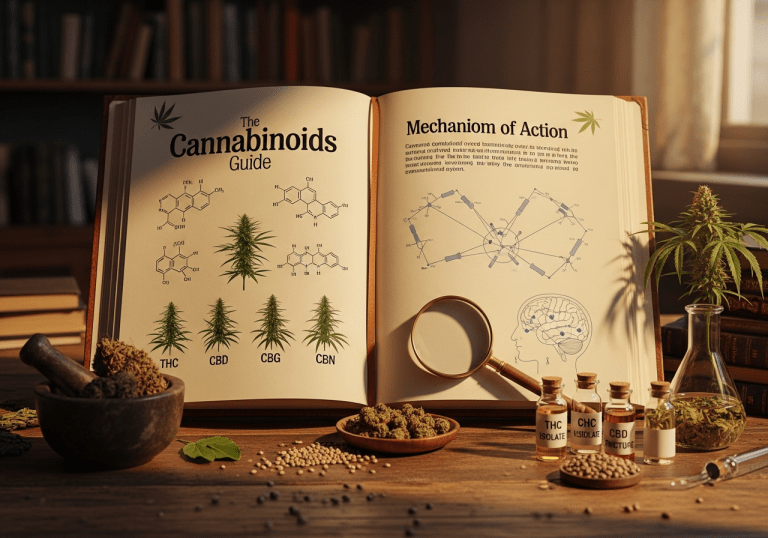
Hemp produces dozens of cannabinoids beyond CBD, each with distinct properties and potential therapeutic applications. Understanding hemp’s chemical diversity helps patients optimize their treatment approaches.
Cannabidiol (CBD):
CBD is hemp’s primary cannabinoid, typically comprising 10-20% of dried flower weight in CBD-rich cultivars. CBD doesn’t bind strongly to cannabinoid receptors but influences them indirectly while interacting with serotonin, adenosine, and vanilloid receptors. These interactions produce CBD’s anti-anxiety, anti-inflammatory, pain-relieving, and neuroprotective effects.
CBD counteracts some THC effects, reducing anxiety and cognitive impairment from THC while extending THC’s therapeutic benefits. This makes CBD valuable in medical cannabis formulations, creating balanced effects that maximize benefits while minimizing side effects.
Cannabigerol (CBG):
CBG is the precursor cannabinoid that converts into CBD, THC, and CBC as hemp plants mature. Young hemp plants contain higher CBG levels, while mature plants have mostly converted CBG into other cannabinoids. Some hemp cultivars are now bred to maintain high CBG levels throughout maturity.
CBG shows promise for antibacterial, anti-inflammatory, and neuroprotective applications. Research suggests CBG may help with inflammatory bowel disease, glaucoma, bladder dysfunction, and Huntington’s disease. CBG doesn’t produce intoxication and may enhance focus and mental clarity.
Cannabinol (CBN):
CBN forms as THC degrades through oxidation and exposure to light and heat. Fresh hemp contains minimal CBN, but aged or improperly stored hemp accumulates higher CBN levels. CBN produces mild sedative effects without significant intoxication, making it valuable for sleep support.
Research on CBN remains limited, but preliminary evidence suggests anti-inflammatory, antibacterial, and appetite-stimulating properties. Many patients report CBN-rich products provide superior sleep benefits compared to CBD alone.
Cannabichromene (CBC):
CBC is another major hemp cannabinoid with anti-inflammatory and analgesic properties. CBC works synergistically with CBD and other cannabinoids, enhancing their effectiveness through the entourage effect. Research suggests CBC may support brain health by promoting neurogenesis and protecting brain cells.
CBC shows promise for pain management, depression, and acne treatment. The cannabinoid doesn’t produce intoxication and appears well-tolerated at typical doses.
The Entourage Effect:
Hemp’s therapeutic potential extends beyond individual cannabinoids to their synergistic interactions. The entourage effect describes how cannabinoids, terpenes, and flavonoids work together, producing effects greater than any single compound alone.
Full-spectrum hemp products containing the complete profile of plant compounds often prove more effective than CBD isolates at equivalent CBD doses. This supports the value of whole-plant medicine over isolated compounds for many therapeutic applications.
Terpenes in Hemp:
Hemp contains aromatic compounds called terpenes that contribute to the plant’s scent and therapeutic effects. Common hemp terpenes include myrcene (earthy, calming), pinene (pine scent, alertness), limonene (citrus, mood elevation), linalool (floral, relaxation), and caryophyllene (pepper, anti-inflammatory).
Terpenes interact with cannabinoids and work independently on various receptors throughout the body. The specific terpene profile influences hemp product effects, with some combinations promoting energy and focus while others encourage relaxation and sleep.
Frequently Asked Questions
What is the difference between hemp and marijuana?
Hemp and marijuana are the same plant species, Cannabis sativa, but differ in THC content. Hemp contains 0.3% or less THC by dry weight and cannot cause intoxication, while marijuana contains higher THC levels (typically 5-30%) that produce psychoactive effects. This legal distinction determines whether the plant can be grown commercially and sold without restrictions. Despite identical species classification, selective breeding over centuries has created plants with very different purposes, appearances, and chemical profiles.
Is hemp legal everywhere in the United States?
Yes, hemp is federally legal throughout the United States following the 2018 Farm Bill, which removed hemp from the Controlled Substances Act. This means hemp can be grown commercially, transported across state lines, and sold without restrictions as long as it contains 0.3% or less THC by dry weight. Hemp-derived CBD products are available nationwide without a medical marijuana card at health stores, pharmacies, and online retailers. However, individual states may have additional regulations governing hemp cultivation and product sales, so it’s worth checking your local laws for specific requirements.
Will hemp CBD show up on a drug test?
Hemp CBD products containing only trace amounts of THC (under 0.3%) are unlikely to cause a positive drug test, but it’s not impossible. Full-spectrum hemp products contain small amounts of THC that can accumulate in your system with regular high-dose use, potentially triggering a positive result on sensitive drug tests. If you face drug testing for employment or other reasons, consider using CBD isolate products (pure CBD with zero THC) or broad-spectrum products (all cannabinoids except THC removed). Always purchase from reputable companies providing third-party lab testing to verify THC content and ensure compliance with the 0.3% legal limit.
How long does it take for hemp CBD to work?
The onset time for hemp CBD depends on the consumption method. Sublingual tinctures taken under the tongue produce effects within 15-45 minutes and last 4-6 hours. Oral products like capsules and edibles take longer (45-90 minutes) but provide relief lasting 6-8 hours. Inhaled hemp flower works fastest, producing effects within 1-5 minutes but lasting only 2-3 hours. Topical products work locally within 15-30 minutes at the application site. For best results, take hemp CBD consistently at the same times daily, as the compound builds up in your system over 2-4 weeks to provide cumulative therapeutic benefits.
Can I grow hemp in my backyard for personal use?
Growing hemp for personal use depends on your state’s regulations. While hemp is federally legal, you typically need a license from your state agriculture department or the USDA Hemp Program to cultivate it. Some states allow limited personal cultivation, while others restrict all hemp growing to licensed commercial operations. Unlicensed hemp cultivation may be treated as marijuana cultivation if discovered by law enforcement. Additionally, maintaining THC levels below 0.3% throughout the growing cycle requires careful strain selection and timing, as environmental stress can cause THC levels to rise above the legal threshold, making your crop illegal.
What’s the difference between full-spectrum, broad-spectrum, and CBD isolate hemp products?
Full-spectrum hemp products contain all naturally occurring cannabinoids, terpenes, and flavonoids from the plant, including trace amounts of THC (under 0.3%). These products provide the entourage effect, where compounds work synergistically for enhanced therapeutic benefits. Broad-spectrum products contain multiple cannabinoids and terpenes but have THC completely removed, offering entourage benefits without any THC exposure. CBD isolate is pure cannabidiol with all other plant compounds removed, providing no entourage effect but guaranteeing zero THC. Full-spectrum typically proves most effective for symptom relief, but broad-spectrum or isolate products are better choices if you must avoid all THC.
Get Approved for Your Medical Marijuana Card in Minutes!

Our Commitment to Medical Accuracy
At Leafy DOC, every piece of content is created with care and reviewed by licensed medical professionals. Our experts ensure that health information is not only evidence-based but also easy to understand and practical for everyday life. We regularly update our resources to reflect the latest research, so you can make informed decisions about your wellness journey with confidence.
Reviewed by
Dr. Hannah Russo, MD, MPH
Dr. Hannah Russo is an internal medicine doctor and public health advocate with extensive experience in telemedicine and cannabis education. Her work bridges clinical practice and digital health, ensuring that patients receive safe, informed, and convenient care. She is passionate about expanding access to natural, evidence-based therapies for chronic conditions.

Written by :
Nida Hammad
Last Updated :
December 3, 2025
Related Terms From The Cannabis Glossary
-

Sativa
Breaking down Sativa’s energizing effects, medical benefits, and how Sativa differs from Indica. -
psychoactive
Learn how psychoactive substances work, their therapeutic health benefits, consumption methods, and the benefits of medical marijuana cards. -
Topicals
Discover tropical cannabis pain relief benefits, skin care applications, and how to use CBD and THC creams safely. Get your medical card today. -
indica
Learn what indica means for medical marijuana patients. Discover relaxation benefits, pain relief properties, and how indica strains treat chronic conditions. -
Cannabinoids
Learn what Cannabinoids mean for medical patients. Discover benefits, side effects, proper dosing, and which conditions Cannabinoids treat. -
Terpenes
Learn what terpenes mean for medical marijuana patients. Discover therapeutic effects, entourage benefits, major cannabis terpenes, and how they enhance treatment. -
Marijuana
Comprehensive marijuana guide: medical benefits, side effects, dosing, hemp vs marijuana differences, and how to get your medical card. -
CBD
Learn what CBD means for medical patients. Discover effects, benefits, proper dosing, and which conditions CBD treats. -
THC
Learn what THC is, how it works, and its key medical uses. Discover THC’s effects, health benefits, dosing tips, and safety guidelines.