
Cannabinoids

by Nida Hammad
Last updated: December 3, 2025
Verified and Approved by:
Angela Morris,
MSW, LCSW
Fact Checked


-
Cannabinoids play a major role in how medical marijuana affects the body, influencing symptoms like pain, inflammation, anxiety, nausea, appetite, and sleep through interaction with the endocannabinoid system.
-
Cannabinoid legality depends on the type and source, with hemp-derived cannabinoids generally being federally legal in the U.S., while high-THC products remain restricted to state-regulated medical marijuana programs.
-
Patients must follow a medical marijuana card process, including evaluation, state registration, and dispensary selection, to legally access cannabinoid-based products for therapeutic use.
-
Cannabinoid dosage varies widely depending on tolerance, body weight, and type of cannabis product, with edibles, tinctures, vapes, and capsules each offering different onset times and strengths.
-
Understanding THC vs. CBD helps patients choose the right therapeutic effect, as THC is psychoactive and CBD is non-intoxicating, making each useful for different medical conditions.
-
Medical effects of cannabinoids include pain relief, anti-anxiety benefits, anti-inflammatory action, anti-nausea effects, and neuroprotective properties, supported by research from credible scientific and clinical sources like government and peer-reviewed publications.
Cannabinoids: A Complete Guide to Types, Effects, and Uses
Cannabinoids are a fascinating and complex group of chemical compounds that interact with the human body in unique ways. They are widely studied for their therapeutic potential, effects on mood, cognition, and health, and their legal and social significance. Found naturally in cannabis plants, produced by the human body, or created synthetically in laboratories, cannabinoids play a vital role in the functioning of the endocannabinoid system (ECS), which helps regulate multiple physiological processes including appetite, sleep, pain, immune response, and mood.
Understanding cannabinoids is essential not only for medical and scientific communities but also for individuals interested in cannabis for recreational or therapeutic purposes. This article provides a detailed overview of cannabinoids, including their types, mechanisms, effects, medical applications, methods of consumption, and legal status.
What is Cannabinoids

Cannabinoids Meaning
The term “cannabinoid” refers to chemical compounds that interact with cannabinoid receptors in the body. The word originates from “Cannabis,” the plant family in which many of these compounds were first discovered. Cannabinoids can be naturally occurring, synthesized artificially, or produced by the human body itself.
Cannabinoids cannabis have been used historically for medicinal and spiritual purposes. Ancient cultures in China, India, and the Middle East utilized cannabis for pain relief, mood enhancement, and ritualistic practices. In modern times, scientific research has revealed the mechanisms through which cannabinoids influence the human body, providing evidence for their potential therapeutic uses.
The discovery of the endocannabinoid system (ECS) in the 1990s was a turning point in cannabinoid science. This system comprises receptors, signaling molecules, and enzymes that maintain homeostasis in the body. Cannabinoids interact with the ECS to produce effects ranging from psychoactive “highs” to anti-inflammatory and neuroprotective outcomes.
Is Cannabinoids Legal?
The legality of cannabinoids depends on their type, source, and location. Cannabinoids are chemical compounds found in cannabis, with THC and CBD being the most well-known. While some cannabinoids are legal in certain circumstances, others remain controlled substances.
CBD (Cannabidiol)
CBD derived from hemp (containing less than 0.3% THC) is federally legal in the United States under the 2018 Farm Bill. However, individual states may have additional restrictions on sales or use. CBD products are widely available, including oils, capsules, and topicals, but patients should ensure compliance with local regulations.
THC (Tetrahydrocannabinol)
THC is the psychoactive compound in cannabis that produces a “high.” Federally, THC is classified as a Schedule I substance and is illegal. However, many states allow its use for medical or recreational purposes. In states with medical marijuana laws, patients typically require a medical marijuana card to access THC-containing products legally.
Synthetic Cannabinoids
Some synthetic cannabinoids, such as dronabinol or nabilone, are FDA-approved for medical use and are legal with a prescription. Other unregulated synthetic cannabinoids, often marketed as “spice” or “K2,” are illegal and potentially dangerous.
Medical Marijuana and Cannabinoid Access
Patients with qualifying medical conditions can access cannabinoids legally through medical marijuana programs. The process typically involves obtaining a medical marijuana card, which includes a physician’s recommendation, state registration, and verification of eligibility. This allows patients to purchase and use cannabinoids for therapeutic purposes under legal protection.
Types of Cannabinoids
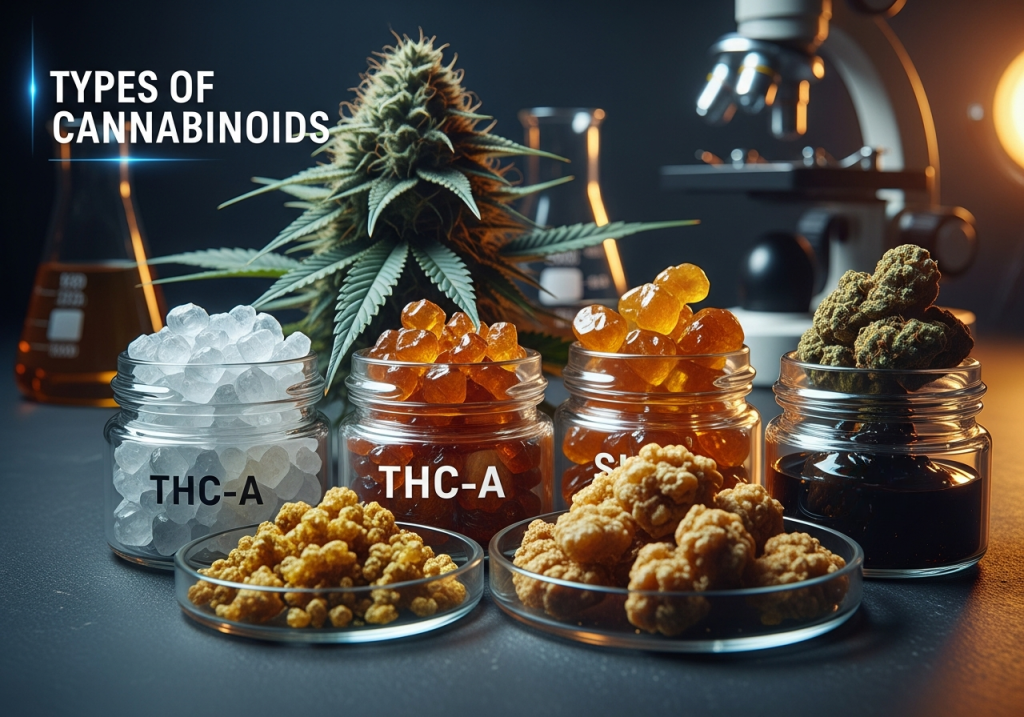
Cannabinoids are broadly classified into three categories: phytocannabinoids (from plants), endocannabinoids (produced naturally in the body), and synthetic cannabinoids (lab-made). Each type interacts differently with the ECS and produces distinct effects.
Phytocannabinoids (Plant-Derived Cannabinoids)
Phytocannabinoids are chemical compounds that are naturally produced by the cannabis plant, mainly found in the flowers, leaves, and sometimes the stems. The cannabis plant contains over 100 different cannabinoids, each with unique effects on the human body. These compounds interact with the endocannabinoid system (ECS), which regulates processes like pain, mood, appetite, immune function, and sleep.
Phytocannabinoids can be psychoactive (causing a “high”) or non-psychoactive (providing therapeutic effects without altering mental state). Some Phytocannabinoids types are very well-studied, like THC and CBD, while others like CBG, CBC, THCV, and CBN are emerging as interesting options for medical research.
Table Explanation: Major Phytocannabinoids and Their Effects
| Cannabinoid | Psychoactive? | Key Effects | Medical Uses |
|---|---|---|---|
| THC (Tetrahydrocannabinol) | Yes | Produces euphoria, altered perception, and stimulates appetite | Used for pain relief, controlling nausea, increasing appetite, and helping patients with multiple sclerosis |
| CBD (Cannabidiol) | No | Promotes relaxation, reduces anxiety, and has anti-inflammatory effects | Used for anxiety, epilepsy, inflammation, and improving sleep disorders |
| CBG (Cannabigerol) | No | Mildly reduces inflammation and has antibacterial properties | Studied for glaucoma, inflammation, and neuroprotection |
| CBC (Cannabichromene) | No | Reduces inflammation and provides analgesic (pain-relieving) effects | Can help with pain relief and mood support |
| THCV (Tetrahydrocannabivarin) | Mild | Acts as an appetite suppressant and may affect metabolism | Studied for weight management and diabetes research |
| CBN (Cannabinol) | Mild | Provides sedative effects | Used as a sleep aid and for pain relief |
Detailed Explanation of Each Cannabinoid
CBN (Cannabinol)
CBN is usually formed when THC ages or breaks down. It is mildly psychoactive and is primarily used for its sedative properties, making it helpful for sleep. It also has mild pain-relieving effects, often used in combination with other cannabinoids.
THC (Tetrahydrocannabinol)
THC is the most well-known psychoactive cannabinoid. It binds to CB1 receptors in the brain, producing the characteristic “high,” euphoria, and altered perception of time and space. THC also stimulates appetite, which is helpful for patients experiencing weight loss due to illness or chemotherapy. Medically, THC is used to relieve pain, control nausea, and treat symptoms of multiple sclerosis.
CBD (Cannabidiol)
CBD does not cause a high. It interacts mainly with CB2 receptors and other pathways in the body. CBD is known for its calming, anti-anxiety, and anti-inflammatory effects. It is widely used to treat epilepsy (especially rare syndromes like Dravet), reduce inflammation, and improve sleep quality.
CBG (Cannabigerol)
CBG is often called the “mother of cannabinoids” because other cannabinoids are derived from it during plant growth. CBG has mild anti-inflammatory and antibacterial properties. Research suggests it could help with glaucoma (by reducing eye pressure), protect neurons, and reduce inflammation.
CBC (Cannabichromene)
CBC is non-psychoactive and works synergistically with other cannabinoids. It is known for pain-relieving (analgesic) and anti-inflammatory effects. It may also support mood regulation and has potential as a natural therapy for chronic pain or mood disorders.
THCV (Tetrahydrocannabivarin)
THCV is a minor cannabinoid that is mildly psychoactive. Unlike THC, it can act as an appetite suppressant and may influence metabolism. This makes it interesting for research in weight management and diabetes control.
Endocannabinoids (Body-Produced)
Endocannabinoids are naturally produced by the human body and are similar in structure and function to the cannabinoids found in cannabis. However, instead of coming from a plant, your body makes them to maintain balance (homeostasis) across multiple systems.
These molecules are part of the endocannabinoid system (ECS), which plays a critical role in regulating important processes such as:
- Mood and emotions
- Appetite and digestion
- Pain perception
- Immune system function
- Memory and learning
Unlike plant cannabinoids that you ingest, endocannabinoids are produced on demand, meaning your body creates them only when needed. Once they have done their job, they are broken down by specific enzymes to prevent overstimulation.
Key Endocannabinoids
- Anandamide (AEA) – “The Bliss Molecule”
- Function: Anandamide regulates mood, appetite, and memory.
- How it works: It binds mainly to CB1 receptors in the brain, which influence pleasure, memory formation, and cognitive processes.
- Effect in the body: Anandamide is linked to feelings of happiness and well-being, which is why it’s nicknamed the “bliss molecule.” It is also involved in controlling appetite and short-term memory.
- 2-Arachidonoylglycerol (2-AG)
- Function: 2-AG helps modulate immune responses and pain perception.
- How it works: It interacts with both CB1 and CB2 receptors, meaning it affects both the central nervous system and the immune system.
- Effect in the body: 2-AG helps the body respond to injury or inflammation, regulating pain and supporting immune health.
- Other Endocannabinoids
- PEA (Palmitoylethanolamide): Has anti-inflammatory properties and can reduce pain.
- OEA (Oleoylethanolamide): Helps regulate fat metabolism and appetite, contributing to energy balance.
- These molecules support the ECS alongside anandamide and 2-AG to maintain overall body balance.
Breakdown of Endocannabinoids
Endocannabinoids are not permanent in the body. Once they have completed their signaling functions, enzymes break them down:
- FAAH (Fatty Acid Amide Hydrolase): Breaks down anandamide.
- MAGL (Monoacylglycerol Lipase): Breaks down 2-AG.
This ensures that endocannabinoid signals are temporary and precisely controlled, preventing overstimulation of receptors.
Synthetic Cannabinoids
Synthetic cannabinoids are man-made compounds created in laboratories to mimic the effects of natural cannabinoids found in cannabis, such as THC and CBD. Scientists design them to target the same endocannabinoid receptors (CB1 and CB2) in the body, producing similar effects to plant-derived cannabinoids.
Medical Use of Synthetic Cannabinoids
Some synthetic cannabinoids are medically approved and can provide benefits for specific conditions:
- Dronabinol
- A synthetic form of THC.
- Used to treat nausea and vomiting caused by chemotherapy.
- Helps stimulate appetite in patients with AIDS or severe weight loss.
- Nabilone
- Another synthetic THC-like compound.
- Prescribed for chemotherapy-induced nausea when standard treatments fail.
These medications are FDA-approved, meaning they have been tested for safety and effectiveness in controlled doses. They are helpful in clinical settings because they allow doctors to provide consistent, measurable doses of cannabinoids.
Recreational Synthetic Cannabinoids
Not all synthetic cannabinoids are safe. Some recreational products, often sold under names like Spice, K2, or “herbal incense”, are chemically altered to produce strong psychoactive effects.
Risks of recreational synthetic cannabinoids:
- Severe hallucinations and confusion – These compounds can overstimulate CB1 receptors in the brain.
- Cardiovascular problems – They can cause rapid heart rate, high blood pressure, or even heart attacks in extreme cases.
- Toxicity – Some unregulated compounds are contaminated or extremely potent, leading to dangerous or even fatal reactions.
Unlike natural cannabinoids, recreational synthetic cannabinoids are unregulated, unpredictable, and much stronger, making them high-risk.
Key Differences Between Synthetic and Natural Cannabinoids
| Feature | Synthetic Cannabinoids (Medical) | Synthetic Cannabinoids (Recreational) | Natural Cannabinoids |
|---|---|---|---|
| Source | Laboratory | Laboratory | Cannabis plant |
| Safety | FDA-approved, controlled doses | Unregulated, unpredictable | Mostly safe in moderate doses |
| Use | Medical treatment (nausea, appetite) | Recreational high | Medical or recreational |
| Effects | Predictable, targeted | Can be extreme, dangerous | Psychoactive or therapeutic, depending on type |
| Examples | Dronabinol, Nabilone | Spice, K2 | THC, CBD, CBG, CBC |
Cannabinoid Receptors and the Endocannabinoid System (ECS)
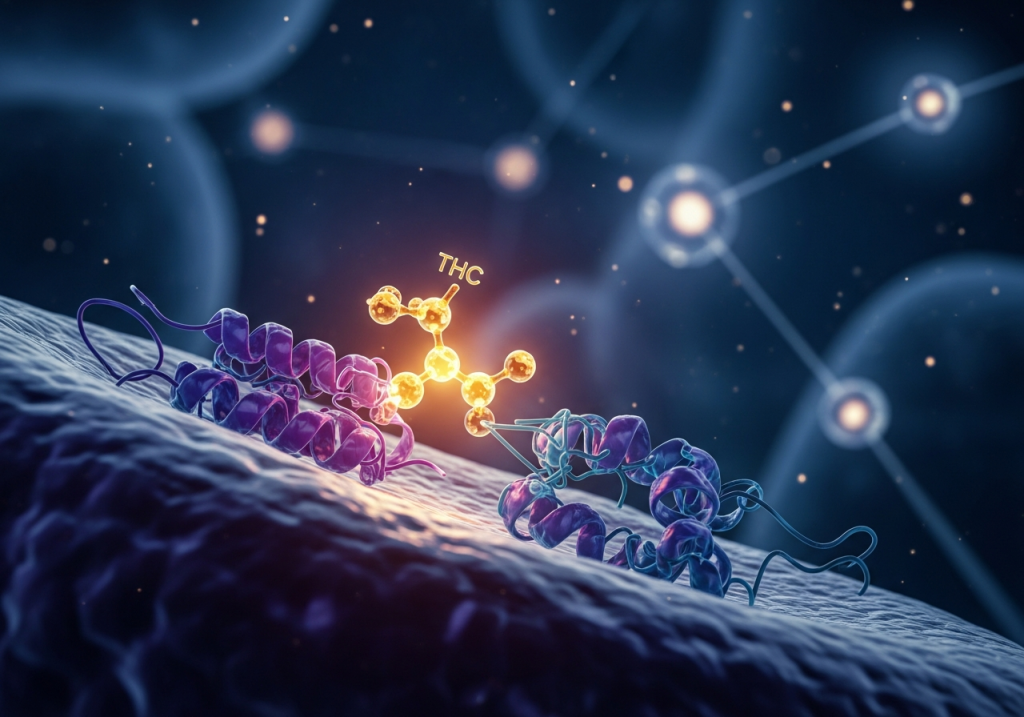
The endocannabinoid system (ECS) is a network of receptors, endocannabinoids, and enzymes responsible for regulating multiple physiological processes. Cannabinoids interact with ECS receptors to produce their effects.
CB1 Receptors
CB1 receptors are primarily found in the brain and central nervous system. They influence:
- Mood and emotions
- Memory and learning
- Appetite regulation
- Pain perception
- Motor coordination
THC binds strongly to CB1 receptors, producing psychoactive effects such as euphoria and altered perception. CBD interacts weakly with CB1 receptors and often counteracts THC’s psychoactive effects.
CB2 Receptors
CB2 receptors are mostly located in the immune system, peripheral organs, and some brain regions. They modulate:
- Inflammation
- Immune responses
- Pain and tissue repair
Activation of CB2 receptors by cannabinoids like CBD and CBG has been linked to anti-inflammatory and neuroprotective effects without producing a high.
Other Receptor Interactions
Some cannabinoids act on non-classical receptors, including TRPV1 (pain perception), GPR55 (blood pressure regulation), and PPARs (metabolic regulation). These interactions broaden the therapeutic potential of cannabinoids.
How Cannabinoids Work in the Body
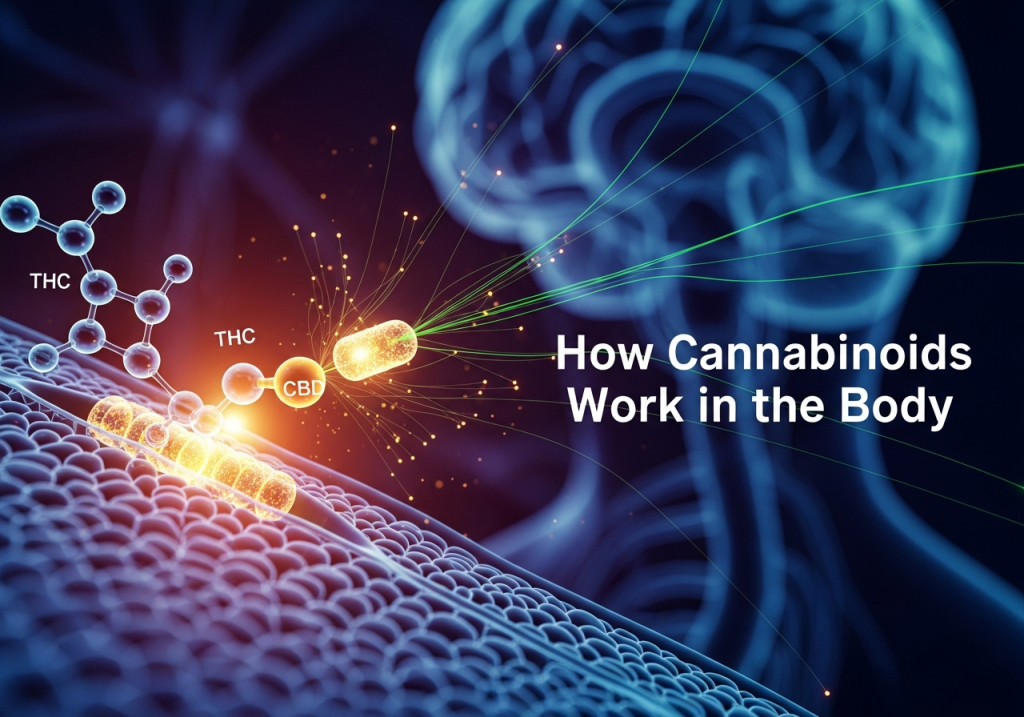
Cannabinoids, whether produced by the body (endocannabinoids), derived from plants (phytocannabinoids), or synthesized in a lab (synthetic cannabinoids) work by interacting with the body’s endocannabinoid system (ECS). The ECS is a network of receptors, enzymes, and signaling molecules that help regulate important processes like pain, mood, appetite, immune response, and sleep.
Interaction with ECS Receptors
The ECS has two main types of receptors:
- CB1 Receptors
- Found mostly in the brain and central nervous system.
- Responsible for cognitive and psychoactive effects.
- CB2 Receptors
- Found mainly in immune cells and peripheral tissues.
- Control inflammation, pain, and immune system activity.
Different cannabinoids interact differently depending on the receptor:
- THC (psychoactive)
THC binds strongly to CB1 receptors in the brain. This alters neurotransmitter release, which affects memory, perception, mood, and motor control. This is why THC produces the characteristic “high” or euphoria. - CBD (non-psychoactive)
CBD does not directly bind to CB1 or CB2 in the same way THC does. Instead, it modulates receptor activity and interacts with other molecular targets. This leads to reduced inflammation, immune regulation, and neuroprotective effects without causing a high.
Effects Beyond ECS
Cannabinoids can also influence other neurotransmitter systems, which explains their broad effects on the body:
- Dopamine: Affects pleasure, reward, and motivation. THC can increase dopamine release, contributing to feelings of euphoria.
- Serotonin: Influences mood and anxiety. CBD can enhance serotonin signaling, helping reduce anxiety and improve mood.
- GABA (Gamma-Aminobutyric Acid): A key inhibitory neurotransmitter that regulates relaxation and anxiety. Cannabinoids may enhance GABA activity, promoting calmness and reduced stress.
Metabolism and Excretion
After cannabinoids exert their effects, the body needs to break them down and remove them:
- Cannabinoids are primarily metabolized in the liver by cytochrome P450 enzymes.
- Metabolites are then excreted through urine or feces
- The metabolism rate depends on the cannabinoid type, dosage, method of consumption, and individual liver function.
Cannabinoids Effects
Cannabinoids interact with the endocannabinoid system (ECS) and other neurotransmitter systems in the body. The resulting effects can be therapeutic, psychoactive, or adverse, depending on the type of cannabinoid, dosage, and method of consumption.
How Cannabinoids Relate to Medical Marijuana
Cannabinoids Medical marijuana patients use cannabinoids whenever they take cannabis products. Cannabinoids are the main chemicals in cannabis. They help patients find relief from symptoms and improve quality of life.
Cannabinoids Medical Marijuana Card Process
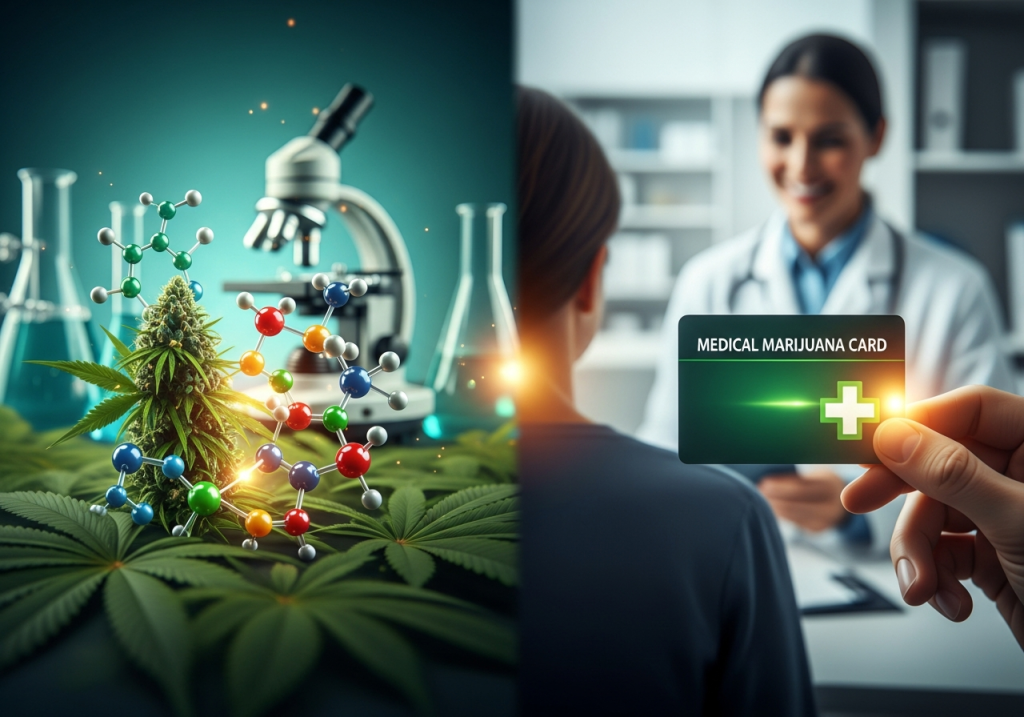
To use cannabinoids legally, patients need a medical marijuana card. Steps include:
- Check Qualifying Condition: A doctor confirms you have a condition that allows medical cannabis, like chronic pain, epilepsy, or nausea from chemotherapy.
- Doctor’s Recommendation: A licensed doctor writes a recommendation for the best cannabinoids and forms to use.
- Apply to State Program: Submit your ID, proof of residency, and doctor’s recommendation to the state.
- Get Approved: The state issues a medical marijuana card if your application is accepted.
- Access Dispensaries: You can now buy cannabis products with the right mix of cannabinoids for your needs.
Clinical Perspective
Doctors use knowledge of cannabinoids to create treatment plans. They choose which cannabinoids, doses, and delivery methods are best for a patient. For example, a patient with pain and anxiety may use CBD-heavy products to reduce psychoactive effects while still relieving pain. Patients with nausea may benefit from THC-rich products or synthetic forms like dronabinol.
Therapeutic Effects of Cannabinoids
Following are the cannabinoids benefits
Chronic Pain
Evidence:
Across 28 randomized controlled trials involving 2,454 participants, researchers assessed a broad range of cannabinoid formulations, including plant-derived options (such as nabiximols, vaporized or smoked cannabis, and oral THC) and synthetic agents like nabilone.
Findings:
Meta-analyses indicate that plant-based cannabinoids, particularly nabiximols, reduce chronic pain and raise the likelihood of achieving pain improvement by roughly 40% compared with placebo.
Limitations:
A considerable portion of the included studies tested formulations that do not reflect products typically accessible to consumers today. Moreover, key information on optimal dosages, comparative effects of different delivery methods, and long-term safety is still lacking, especially for widely used cannabis products.
Conclusion:
There is substantial evidence establishing that cannabis and cannabinoids are effective for managing chronic pain in adults.
Cancer (Antitumor Effects)
Evidence:
Most of the available data originates from preclinical research, particularly animal studies, where cannabinoids have shown notable antitumor activity in vivo.
Clinical Data:
To date, high-quality clinical trials have not demonstrated cannabinoids to be effective cancer treatments in human patients.
Conclusion:
Current evidence is insufficient to justify the use of cannabinoids as therapeutic agents for cancer in humans.
Chemotherapy-Induced Nausea & Vomiting
Evidence:
Trials evaluating dronabinol, nabilone, and nabiximols consistently show benefits compared with placebo, and in some cases, even compared with active treatment controls.
Findings:
Some studies have documented significantly higher rates of complete control of nausea and vomiting among participants receiving cannabinoids.
Drawbacks:
Side effects, including dizziness, euphoria, and sedation, were frequently reported. Additionally, many of these studies predate modern antiemetic therapies such as NK-1 inhibitors, limiting contemporary relevance.
Conclusion:
There is conclusive evidence that orally administered cannabinoids are effective antiemetics for chemotherapy-induced nausea and vomiting.
HIV-Associated Appetite Loss / Weight Loss
Evidence:
Randomized controlled trials compared dronabinol or inhaled cannabis with placebo in individuals experiencing HIV-related appetite or weight loss.
Findings:
Several trials reported significant weight increases, with inhaled cannabis resulting in approximately +3.0 kg and dronabinol producing roughly +3.2 kg gains over placebo.
Limitations:
The studies were relatively small, short in duration, and often relied on non–plant-derived cannabinoids, with dosing strategies that may not reflect real-world use.
Conclusion:
Limited evidence supports the ability of cannabis and cannabinoids to enhance appetite and reduce weight loss in individuals with HIV/AIDS.
Epilepsy
Evidence:
Most available data come from uncontrolled case series rather than rigorous randomized controlled trials.
Findings:
Reports from pediatric clinics using a 20:1 CBD:THC formulation indicate reductions in seizure frequency for many children; however, these findings stem from non-controlled studies.
Limitations:
The lack of placebo-controlled trials and the high risk of bias make it difficult to draw firm conclusions, as case series do not offer strong evidence.
Conclusion:
There is insufficient evidence to support or refute cannabinoid use for treating epilepsy.
Multiple Sclerosis (MS) Spasticity
Evidence:
Randomized controlled trials have evaluated nabiximols and oral THC for spasticity symptoms in Multiple Sclerosis.
Findings:
Patient-reported outcomes consistently indicate modest improvements (about 0.76 units on a 0–10 scale). However, clinician-measured scales such as the Modified Ashworth Scale show inconsistent results.
Conclusion:
There is substantial evidence for patient-reported improvements in MS-related spasticity, though objective clinical measures remain less reliable.
Tourette Syndrome
Evidence:
Existing research includes only a few very small and low-quality trials using THC capsules.
Findings:
Slight reductions in tic severity and some overall clinical improvement were observed, though the minimal effect size and poor study designs weaken confidence.
Conclusion:
Limited evidence suggests THC may reduce tic severity, but it is not sufficient to guide clinical use.
Amyotrophic Lateral Sclerosis (ALS)
Evidence:
Two small crossover studies evaluated dronabinol in ALS patients.
Findings:
No significant changes were found in cramp severity, frequency, appetite, sleep, or quality of life.
Limitations:
Very small samples, short durations, and possibly subtherapeutic doses contribute to the lack of meaningful results.
Conclusion:
Insufficient evidence supports the use of cannabinoids for ALS-related symptoms.
Huntington’s Disease
Evidence:
For Huntington’s disease, small randomized trials compared nabilone and cannabidiol with placebo.
Findings:
Nabilone may provide slight reductions in chorea and improvements in some psychiatric symptoms, while cannabidiol showed no major effect.
Limitations:
Sample sizes were extremely small, study periods short, and statistical power very limited.
Conclusion:
Evidence remains insufficient, although some preliminary signals suggest nabilone might help with chorea.
Parkinson’s Disease
Evidence:
Only a few small trials exist, mostly evaluating oral cannabinoids, along with one observational study of smoked cannabis.
Findings:
One small nabilone trial reported decreased dyskinesia. Observational data suggested improvements in tremor, rigidity, bradykinesia, sleep, and pain with inhaled cannabis.
Limitations:
The small scale of these studies and lack of controlled designs limit confidence, especially for the observational findings.
Conclusion:
Insufficient evidence exists to confirm cannabinoid effectiveness for motor symptoms or levodopa-induced dyskinesia.
Learn how to manage Parkinson’s Disease with Medical Marijuana
Dystonia
Evidence:
Two small studies tested dronabinol and nabilone for dystonia symptoms.
Findings:
Neither trial demonstrated meaningful improvement compared with placebo.
Conclusion:
Insufficient evidence supports cannabinoids as a treatment for dystonia.
Dementia
Evidence:
A single randomized trial examined low-dose THC (1.5 mg three times daily) in patients with Alzheimer’s or vascular/mixed dementia.
Findings:
No improvements were seen in neuropsychiatric symptoms, agitation, daily function, or quality of life.
Conclusion:
Limited evidence indicates cannabinoids are not effective for dementia-related symptoms.
Glaucoma
Evidence:
For Glaucoma, systematic reviews identified only one small study using an oromucosal spray to assess intraocular pressure (IOP).
Findings:
Observed IOP reductions were brief and not sustained, limiting therapeutic usefulness.
Conclusion:
Limited evidence suggests cannabinoids are unlikely to be effective for long-term management of glaucoma.
Traumatic Brain Injury (TBI) and Intracranial Hemorrhage (ICH)
Evidence:
Observational studies:
• In TBI cases, THC-positive individuals showed better survival rates.
• In ICH patients, cannabis use correlated with improved scores on the modified Rankin Scale.
Caveats:
These findings are not from randomized trials, and potential confounders reduce the reliability of observed associations.
Conclusion:
Limited evidence shows statistical associations between cannabinoid exposure and improved outcomes following TBI or ICH.
Addiction / Substance Use (Abstinence)
Evidence:
A double-blind pilot study evaluated nabiximols for cannabis withdrawal, while another pilot examined a CBD inhaler for smoking cessation.
Findings:
• Cannabis withdrawal scores showed a 66% decline with nabiximols, while the placebo group experienced a 52% increase.
• In smokers, the CBD inhaler reduced weekly cigarette use more than placebo, though not at statistically meaningful levels, and abstinence outcomes were unclear.
Conclusion:
There is no strong evidence supporting cannabinoids for achieving abstinence from substance use; more research is required.
Anxiety
Evidence:
Small RCTs involving patients with chronic pain or MS, alongside a public speaking study evaluating CBD in social anxiety.
Findings:
Short-term reductions in self-reported anxiety were noted in some trials, and CBD showed measurable anxiolytic effects during the public speaking test.
Limitations:
High risk of bias, small sample sizes, limited follow-up, and single-dose designs restrict reliability.
Conclusion:
Limited evidence suggests CBD, and potentially other cannabinoids, may alleviate anxiety symptoms, but current findings remain preliminary.
Find out how CBD Oil reduces your stress and helps you sleep
Depression
Evidence:
Five randomized trials used nabiximols, dronabinol, or nabilone in populations with chronic pain or MS, not isolated depressive disorders.
Findings:
Three of the five trials showed no improvement on validated depression measures; one indicated increased depressive symptoms at the highest tested dose.
Conclusion:
Available evidence suggests cannabinoids are generally ineffective for reducing depressive symptoms.
Sleep Disorders
Evidence:
A meta-analysis of 19 trials involving 3,231 participants evaluated nabiximols, THC/CBD capsules, smoked THC, and synthetic cannabinoids.
Findings:
Small yet statistically significant improvements were observed in sleep quality (mean difference ~ –0.58) and sleep disturbance (–0.26), with most positive data centered around nabiximols.
Limitations:
High risk of bias, lack of robust long-term data, and insufficient research on primary insomnia limit conclusions.
Conclusion:
Moderate evidence supports short-term sleep benefits from cannabinoids—especially nabiximols—in patients whose sleep issues relate to pain, MS, fibromyalgia, or sleep apnea.
Post-Traumatic Stress Disorder (PTSD)
Evidence:
A small crossover randomized trial examined nabilone for PTSD symptoms.
Findings:
Participants reported reductions in nightmares, improvements in overall clinical state, and enhanced well-being, although sleep quality and quantity did not change significantly.
Limitations:
The trial had a very small sample (10 participants), short duration, and was limited to male veterans.
Conclusion:
There is limited evidence that nabilone may help alleviate some PTSD symptoms, particularly nightmares and subjective well-being.
Schizophrenia / Psychosis
Evidence:
Two small studies tested cannabidiol in individuals with schizophrenia or schizoform psychosis.
Findings:
Results were mixed and inconclusive due to small sample sizes, short durations, and methodological concerns.
Conclusion:
Insufficient evidence supports the effectiveness of CBD or other cannabinoids for treating psychotic disorders.
List of all qualifying conditions for a Medical Marijuana Card
Table: Therapeutic Effects of Cannabinoids
| Therapeutic Area | Cannabinoid | Mechanism | Example Use |
|---|---|---|---|
| Pain & Inflammation | THC, CBD | CB1 and CB2 receptor modulation | Arthritis, neuropathic pain |
| Anxiety & Depression | CBD | Serotonin and ECS regulation | PTSD, generalized anxiety |
| Epilepsy | CBD | Neuron excitability modulation | Dravet syndrome, Lennox-Gastaut |
| Neurodegenerative Diseases | CBD, THC, CBG | Anti-inflammatory, neuroprotection | Alzheimer’s, Parkinson’s, MS |
| Appetite & Nausea | THC | CB1 receptor activation | Chemotherapy-induced nausea, AIDS-related weight loss |
Cannabinoids Effects and Risks
Cannabinoids, including THC, CBD, and other compounds found in the cannabis plant, can cause a wide range of short-term and long-term effects. Because each cannabis plant contains different concentrations of cannabinoids and hundreds of additional chemicals, the exact impact on the body can be unpredictable. Below is a simplified overview of the major risks and side effects based on the information you provided.
1. Short-Term Psychological Cannabinoids Side Effects
Cannabinoids, especially THC, act on CB1 receptors in the brain, which can change neurotransmitter levels and lead to several mental effects. These may include:
- Euphoria or relaxation
- Anxiety or panic attacks (reported in up to 30% of recreational users)
- Paranoia
- Altered perception of time
- Disrupted short-term memory
- Impaired attention and concentration
- Altered sensory perception
- Acute psychosis or dissociation (rare but possible, even in people without psychosis history)
- Increased creativity or introspection
At high doses, users may experience:
- Visual or auditory distortions
- Depersonalization or derealization
- Temporary psychotic symptoms
2. Short-Term Cannabinoids Physical Side Effects
THC also affects various body systems and can cause:
- Increased heart rate
- Lowered blood pressure, which may lead to fainting
- Bloodshot, red eyes
- Dry mouth
- Muscle relaxation
- Cold or hot sensations in hands and feet
- Reduced motor coordination, leading to clumsiness or slowed reaction time
- Impaired driving ability, especially within 3 hours of use
- Increased appetite (“munchies”)
3. Cannabinoids Risks for Children (Edibles)
Edible cannabis products often carry extremely high amounts of THC. In children, accidental ingestion may lead to:
- Severe lethargy
- Sedation
- Seizures
- Increased ER visits due to poisoning
4. Risks from Synthetic Cannabinoids
Synthetic cannabinoid products (e.g., K2, Spice) may cause:
- Sudden cardiac death
- Severe toxicity
- Cannabinoid hyperemesis syndrome
These substances are far riskier than natural cannabis.
5. Cannabinoids for Cardiovascular Risks
Short-term cardiovascular effects may include:
- Increased heart rate
- Dilated blood vessels
- Fluctuating blood pressure
Serious but rare events reported include:
- Heart attack
- Stroke
- Increased cardiac workload, especially in older adults or those with heart disease
A study found that the risk of heart attack increases fivefold in the first hour after smoking cannabis.
6. Cannabinoids for Respiratory Risks (Smoking Cannabis)
Although evidence linking cannabis smoke directly to lung cancer is limited, smoking cannabis does expose the lungs to harmful substances.
Cannabis smoke contains:
- Ammonia, hydrogen cyanide, nitrogen oxides (sometimes higher than tobacco)
- Carcinogens, including PAHs and benz[a]pyrene
- Tar similar to tobacco smoke
Reported respiratory risks include:
- Chronic bronchitis symptoms
- Coughing, phlegm, airway irritation
Research continues on the long-term effects.
7. Risks from Vaping Cannabis
Unregulated vape products pose unique dangers:
- Vitamin E acetate–linked lung injury (2019–2020 outbreak)
- Inhalation of harmful chemicals such as ketene
- May cause lung tissue damage, shortness of breath, tachycardia, or respiratory failure
8. Drug Interactions
Cannabinoids—particularly CBD—can interfere with liver enzymes (CYP450), leading to slower breakdown of certain medications. This may increase the risk of:
- Drug toxicity
- Stronger or prolonged medication effects
- Dangerous interactions with:
- Antidepressants
- Blood thinners
- Heart medications
- Anti-seizure medications
9. Microbial Contamination Risks
Improperly dried or stored cannabis can grow harmful fungi or bacteria such as:
- Aspergillus species
- Penicillium species
- Salmonella
Risks include:
- Lung infections (especially in immunocompromised users)
- Exposure to aflatoxins, which are carcinogenic
Mold remains dangerous even when smoked.
10. Long-Term Cannabinoids Mental Health Risks
Long-term cannabis use may contribute to:
- Cannabis use disorder (CUD)
- Higher risk of psychosis, especially for genetically vulnerable individuals
- Increased chance of transitioning from cannabis-induced psychosis to schizophrenia (34%)
- Cognitive effects:
- Temporary issues with memory, attention, and learning
- Generally reversible within days to weeks after stopping
- Some studies show mild long-term impacts with very heavy use
11. Long-Term Physical Health Risks
Long-term cannabis exposure (mostly through smoking) has been linked with:
- Respiratory issues
- Liver disease (higher risk with co-existing hepatitis C)
- Vascular problems
- Eye pressure changes
- Possible heart issues in high-risk individuals
12. Cannabinoid Hyperemesis Syndrome (CHS)
Heavy, long-term cannabis users may develop:
- Repeated episodes of severe vomiting
- Intense abdominal pain
- Temporary relief from hot showers
- Requires cessation of cannabis to resolve symptoms
13. Driving Impairment
Cannabis affects:
- Reaction time
- Attention
- Motor coordination
Studies show:
Combined alcohol + cannabis dramatically increases accident risk
Increased crash risk when driving within 3 hours of use
Impairment can be underestimated by users
Psychoactive Effects
THC produces psychoactive effects including euphoria, altered perception, increased appetite, and temporary short-term memory impairment. CBD does not cause a high but can influence mood and stress responses.
Table 2: Comparison of THC and CBD Effects
| Feature | THC | CBD |
|---|---|---|
| Psychoactive | Yes | No |
| Pain relief | Moderate | Moderate to High |
| Anti-anxiety | Mild | High |
| Sleep aid | Moderate | Moderate |
| Appetite | Stimulates | Neutral or suppresses |
| Seizure control | Minimal | High |
Cannabinoids in Medicine
Cannabinoids have been incorporated into modern medicine for various therapeutic uses. FDA-approved cannabinoid medications include:
- Dronabinol: Synthetic THC for nausea and appetite stimulation
- Nabilone: Synthetic THC for chemotherapy-induced nausea
- CBD-based medications: Epidiolex for seizures
Clinical studies are ongoing to explore cannabinoids in managing chronic pain, multiple sclerosis, cancer symptoms, and mental health disorders. Cannabinoid therapy offers potential advantages over traditional medications due to its multi-targeted mechanisms and lower toxicity.
Cannabinoids Dosage Chart
Here’s a breakdown of recommended cannabinoid dosages (in mg) by body weight and the type of cannabinoid.
| Body Weight | Delta‑9 THC (Edible) | Delta‑8 THC (Edible) | THCP | CBD (Edible) | THCV (Edible) |
|---|---|---|---|---|---|
| Less than 100 lbs | 1–5 mg (Beginner) 5–10 mg (Standard) 10–20 mg (High) 20–30 mg (Heavy) | 1–5 mg (Beginner) 5–10 mg (Standard) 10–15 mg (High) 15–25 mg (Heavy) | 0.25–0.5 mg (Micro) 0.5–1 mg (Low) 1–2 mg (Moderate) 2–3 mg (High) | 5–10 mg (Low) 10–15 mg (Standard) 15–25 mg (High) | 0.5–1 mg (Micro) 1–2 mg (Low) 2–4 mg (Moderate) 4–6 mg (High) |
| 100–150 lbs | 2–5 mg / 10–15 mg / 15–25 mg / 25–35 mg | 2–5 mg / 10–15 mg / 15–25 mg / 25–35 mg | 0.5–1 mg / 1–2 mg / 2–3 mg / 3–5 mg | 10–15 mg / 15–25 mg / 25–35 mg | 1–2 mg / 2–3 mg / 3–5 mg / 5–8 mg |
| 150–200 lbs | 5–10 mg / 15–20 mg / 20–30 mg / 30–45 mg | 5–10 mg / 15–20 mg / 20–30 mg / 30–40 mg | 0.5–1.5 mg / 1.5–3 mg / 3–4 mg / 4–6 mg | 15–20 mg / 20–30 mg / 30–50 mg | 1.5–3 mg / 3–5 mg / 5–7 mg / 7–10 mg |
| 200–250 lbs | 5–15 mg / 20–25 mg / 25–40 mg / 40–60 mg | 5–15 mg / 20–25 mg / 25–35 mg / 35–50 mg | 1–2 mg / 2–4 mg / 4–5 mg / 5–8 mg | 20–30 mg / 30–40 mg / 40–60 mg | 2–4 mg / 4–6 mg / 6–9 mg / 9–12 mg |
| 250+ lbs | 10–20 mg / 25–35 mg / 35–50 mg / 50+ mg | 10–20 mg / 25–35 mg / 35–45 mg / 45–60 mg | 1.5–2.5 mg / 3–5 mg / 5–7 mg / 7–10 mg | 25–40 mg / 40–50 mg / 50–75 mg | 3–5 mg / 5–8 mg / 8–12 mg / 12–15 mg |
Methods of Cannabinoid Consumption
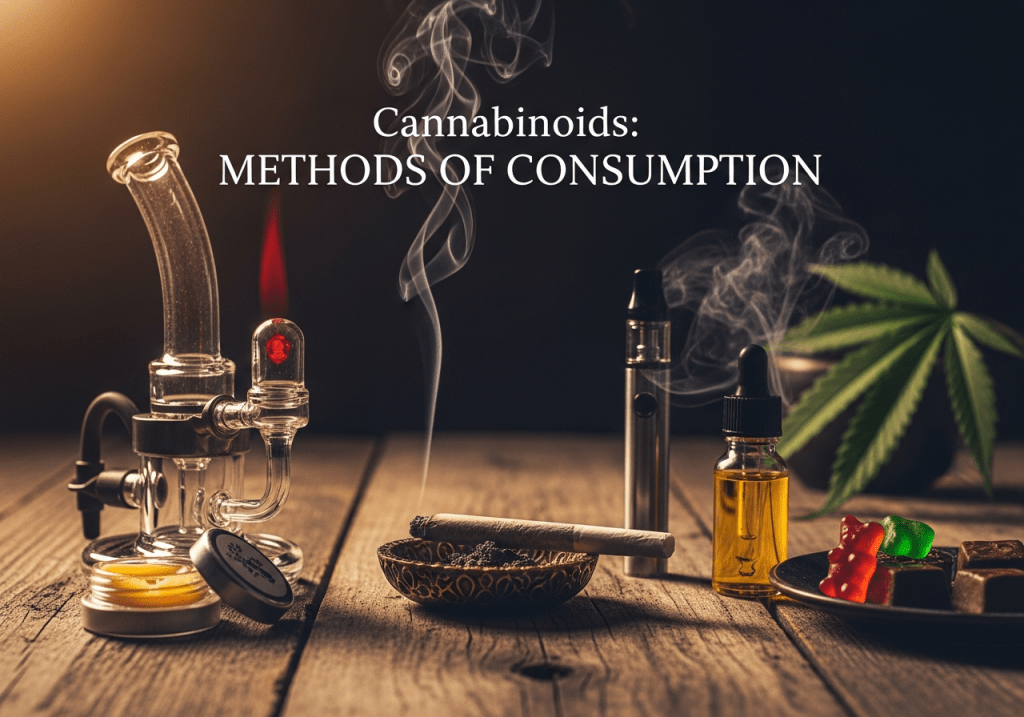
Cannabinoids can be consumed in multiple ways, and the method chosen significantly affects how quickly the effects are felt, how long they last, and the overall intensity. Each method has its advantages and limitations, and selecting the right one depends on the desired effect, personal preference, and medical needs.
1. Smoking
Smoking is one of the most common methods of consuming cannabinoids. It involves inhaling dried cannabis flower or resin, allowing cannabinoids to enter the lungs and quickly pass into the bloodstream. This results in a fast onset of effects, typically within minutes, making it ideal for immediate relief from acute pain, nausea, or sudden symptoms. However, smoking carries respiratory risks, as inhaling combusted plant material exposes the lungs to harmful toxins and particulates, which may contribute to chronic bronchitis and other lung-related issues with frequent use.
2. Vaping
Vaping is an alternative to smoking and is often considered safer for the lungs. Vaporizers heat cannabis to release cannabinoids without combustion, reducing exposure to harmful smoke-related byproducts. Like smoking, vaping delivers rapid effects, which is beneficial for quick symptom relief. The duration of effects is generally short to moderate, similar to smoking, but vaping is gentler on the respiratory system, making it a preferred option for those seeking efficiency without smoke-related harm.
3. Edibles and Beverages
For longer-lasting effects, many users turn to edibles and beverages infused with cannabinoids. When ingested, cannabinoids are absorbed through the digestive system, which slows the onset to anywhere from 30 minutes to two hours. Despite the delayed onset, the effects last much longer than inhaled methods, often providing relief for several hours. Edibles are particularly effective for managing chronic pain, insomnia, or prolonged symptom relief. However, dosing can be less predictable due to differences in individual metabolism, making careful titration important, especially for beginners.
4. Oils and Tinctures
Oils and tinctures are highly flexible methods of cannabinoid administration, usually taken sublingually (under the tongue). This allows cannabinoids to bypass the digestive system and enter the bloodstream directly, producing moderate-onset effects. Oils and tinctures provide precise dosing, making them ideal for medical users managing conditions such as anxiety, pain, or inflammation. Their convenience and accuracy in dosing make them a popular choice for daily therapeutic use.
5. Topicals
Topicals are applied directly to the skin to provide localized relief. They are commonly used for pain, inflammation, or skin conditions and do not significantly enter the bloodstream. As a result, topicals do not produce psychoactive effects, making them suitable for individuals seeking targeted symptom relief without experiencing a high. Topicals are particularly effective for muscle soreness, joint pain, and localized inflammation.
6. Capsules and Pills
Capsules and pills provide standardized dosing of cannabinoids in a convenient form. Similar to edibles, they are ingested and absorbed through the digestive system, resulting in a delayed onset of effects. Their consistency in dosing makes them especially useful for long-term treatment plans, such as managing chronic pain, inflammation, or neurological conditions, where steady therapeutic levels are essential.
Key Considerations for Choosing a Consumption Method
- Smoking and vaping provide rapid relief but have shorter durations of effect.
- Edibles, beverages, and capsules offer long-lasting effects but slower onset.
- Oils and tinctures balance moderate onset with precise dosing.
- Topicals provide targeted relief without systemic or psychoactive effects.
In summary, the method of cannabinoid consumption significantly impacts the speed, duration, and intensity of its effects. Inhaled methods like smoking and vaping are ideal for immediate relief, ingestible forms like edibles and capsules provide extended effects, oils and tinctures allow precise dosing with moderate onset, and topicals enable localized therapy without intoxication. Understanding these differences helps users select the best method for their therapeutic needs or lifestyle preferences.
Table 3: Comparison of Cannabinoid Consumption Methods
| Method | Onset | Duration | Advantages | Disadvantages |
|---|---|---|---|---|
| Smoking | Minutes | 2-4 hours | Fast relief | Respiratory risk |
| Vaping | Minutes | 2-4 hours | Convenient, controlled dose | Equipment needed |
| Edibles | 30-90 min | 6-8 hours | Long-lasting | Risk of overconsumption |
| Oils/Tinctures | 15-45 min | 4-6 hours | Precise dosing | Taste may be unpleasant |
| Topicals | 15-60 min | 4-6 hours | Localized effect | Limited systemic effects |
| Capsules | 30-90 min | 6-8 hours | Standardized dose | Slow onset |
Legal and Regulatory Overview
Cannabinoid legality varies globally:
- Medical use: Many countries allow cannabis-derived medications with prescription.
- Recreational use: Legal in some countries/states (e.g., Canada, parts of the USA)
- Synthetic cannabinoids: Legal for medical use under controlled circumstances
- Regulation: Quality control ensures consistent dosing, purity, and safety
Legal status affects research availability, public perception, and consumer access to cannabinoid products
Popular Cannabinoids and Their Effects
Several cannabinoids are gaining attention for their therapeutic and recreational effects:
- THC: Psychoactive, pain relief, appetite stimulant
- CBD: Non-psychoactive, anxiety relief, seizure control
- CBG: Anti-inflammatory, neuroprotective
- CBC: Pain relief, mood support
- THCV: Appetite suppressant, potential metabolic benefits
- CBN: Sedative, sleep aid
Table 4: Emerging Cannabinoids and Potential Benefits
| Cannabinoid | Primary Use | Status |
|---|---|---|
| CBDV | Epilepsy, neurodevelopment | Research phase |
| THCA | Anti-inflammatory, neuroprotective | Raw cannabis only |
| CBDA | Anti-nausea, anti-inflammatory | Early research |
| CBL | Potential anti-inflammatory | Limited studies |
| CBT | Limited therapeutic data | Experimental |
Common Misconceptions about Cannabinoids
- “All cannabinoids get you high” – Only THC and a few minor cannabinoids are psychoactive.
- “CBD has no effects” – CBD produces therapeutic effects without psychoactivity.
- “Cannabinoids are illegal everywhere” – Laws vary; many countries permit medical use.
- “Synthetic cannabinoids are safe” – Recreational synthetics can be dangerous.
Frequently Asked Questions
What is the difference between THC and CBD?
THC and CBD are both cannabinoids found in cannabis. THC causes psychoactive effects, while CBD does not. Both interact with the body’s endocannabinoid system but produce different therapeutic outcomes, like pain relief or anxiety reduction.
How much cannabinoids should I take for pain?
Start with a low dose, such as 2–5 mg of THC-dominant cannabinoids or 10–20 mg of CBD-dominant cannabinoids. Adjust gradually based on your tolerance, body weight, and type of product (edible, oil, or inhaled).
Will cannabinoids show up on a drug test?
Drug tests typically screen for THC, not CBD. THC-rich cannabinoids can show up in urine or blood tests, sometimes for days to weeks depending on frequency of use, dosage, and body fat.
What do cannabinoids feel like?
THC-rich cannabinoids can cause euphoria, relaxation, or altered sensory perception. CBD-dominant cannabinoids do not produce a high but may reduce pain, inflammation, or anxiety. Effects vary by dose, strain, and individual body chemistry.
Can you overdose on cannabinoids?
Cannabinoids are generally not lethal, but high doses can cause extreme drowsiness, nausea, anxiety, or paranoia. Start with low doses to avoid discomfort.
What are the side effects of cannabinoids?
Common side effects include dry mouth, red eyes, dizziness, changes in appetite, and temporary memory or concentration issues. THC may also cause anxiety or paranoia in some users, while CBD is usually well-tolerated.
Get Approved for Your Medical Marijuana Card in Minutes!

-
Australian Drug Foundation. “Cannabinoids.” https://adf.org.au/drug-facts/cannabinoids/
-
National Center for Biotechnology Information. “Cannabinoids.” https://www.ncbi.nlm.nih.gov/books/NBK556062/
-
ScienceDirect. “Cannabinoid.” https://www.sciencedirect.com/topics/medicine-and-dentistry/cannabinoid
-
News-Medical. “What are Cannabinoids?” https://www.news-medical.net/health/What-are-Cannabinoids.aspx
-
NCCIH. “Cannabis, Marijuana, and Cannabinoids: What You Need to Know.” https://www.nccih.nih.gov/health/cannabis-marijuana-and-cannabinoids-what-you-need-to-know
-
NCI Dictionary of Cancer Terms. “Cannabinoid.” https://www.cancer.gov/publications/dictionaries/cancer-terms/def/cannabinoid
-
Kinsey Lab, UConn. “What is a Cannabinoid?” https://kinsey.lab.uconn.edu/what-is-a-cannabinoid/
-
Merriam-Webster. “Cannabinoid.” https://www.merriam-webster.com/dictionary/cannabinoid
-
Flore Dispensary. “List of Cannabinoids and Their Effects.” https://floredispensary.com/list-of-cannabinoids-and-their-effects/
-
GoodRx. “Cannabinoids.” https://www.goodrx.com/classes/cannabinoids?srsltid=AfmBOoq3mz9f6EmEBOJe5F0Aalr9kPdk8vcP7k0XBtIGmcADc4lEtx_U
-
Verywell Health. “Understanding Cannabinoids.” https://www.verywellhealth.com/understanding-cannabinoids-and-what-they-do-8636699
-
Cleveland Clinic. “Marijuana and Cannabis.” https://my.clevelandclinic.org/health/articles/4392-marijuana-cannabis
-
CDC. “Health Effects of Cannabis.” https://www.cdc.gov/cannabis/health-effects/index.html
-
NCBI. “Cannabis Pharmacology.” https://www.ncbi.nlm.nih.gov/books/NBK425762/
-
WebMD. “Cannabis Overview.” https://www.webmd.com/vitamins/ai/ingredientmono-947/cannabis
-
Wikipedia. “Cannabinoid.” https://en.wikipedia.org/wiki/Cannabinoid
-
Legislative Analysis. “Cannabinoids Fact Sheet.” https://legislativeanalysis.org/wp-content/uploads/2025/07/Cannabinoids-Fact-Sheet-FINAL.pdf
-
Cannabis Workforce. “What Are Cannabinoids?” https://cannabisworkforce.org/blog/what-are-cannabinoids/
-
National Academies of Sciences, Engineering, and Medicine. The Health Effects of Cannabis and Cannabinoids. https://nap.nationalacademies.org/read/24625/chapter/2
-
Whiting PF, et al. Cannabinoids for Medical Use: A Systematic Review and Meta-analysis. JAMA. 2015;313(24):2456-2473. https://pubmed.ncbi.nlm.nih.gov/26103030
-
Pisanti S, et al. Cannabinoids: Therapeutic Use in Clinical Practice. Biomedicines. 2022;10(13):2630. https://pubmed.ncbi.nlm.nih.gov/35328765
-
Pertwee RG. Pharmacology of Cannabinoids. https://pubmed.ncbi.nlm.nih.gov/15159677
-
National Organization for the Reform of Marijuana Laws (NORML). Medical Marijuana Patient Information. https://norml.org/medical-marijuana
-
Our Commitment to Medical Accuracy
At Leafy DOC, every piece of content is created with care and reviewed by licensed medical professionals. Our experts ensure that health information is not only evidence-based but also easy to understand and practical for everyday life. We regularly update our resources to reflect the latest research, so you can make informed decisions about your wellness journey with confidence.
Reviewed by
Dr. Hannah Russo, MD, MPH
Dr. Hannah Russo is an internal medicine doctor and public health advocate with extensive experience in telemedicine and cannabis education. Her work bridges clinical practice and digital health, ensuring that patients receive safe, informed, and convenient care. She is passionate about expanding access to natural, evidence-based therapies for chronic conditions.

Written by :
Nida Hammad
Last Updated :
December 3, 2025
Related Terms From The Cannabis Glossary
-

Sativa
Breaking down Sativa’s energizing effects, medical benefits, and how Sativa differs from Indica. -
psychoactive
Learn how psychoactive substances work, their therapeutic health benefits, consumption methods, and the benefits of medical marijuana cards. -
Topicals
Discover tropical cannabis pain relief benefits, skin care applications, and how to use CBD and THC creams safely. Get your medical card today. -
indica
Learn what indica means for medical marijuana patients. Discover relaxation benefits, pain relief properties, and how indica strains treat chronic conditions. -
Hemp
Learn hemp vs marijuana differences, CBD benefits, industrial uses, cultivation, and how hemp supports medical cannabis treatment without intoxication. -
Terpenes
Learn what terpenes mean for medical marijuana patients. Discover therapeutic effects, entourage benefits, major cannabis terpenes, and how they enhance treatment. -
Marijuana
Comprehensive marijuana guide: medical benefits, side effects, dosing, hemp vs marijuana differences, and how to get your medical card. -
CBD
Learn what CBD means for medical patients. Discover effects, benefits, proper dosing, and which conditions CBD treats. -
THC
Learn what THC is, how it works, and its key medical uses. Discover THC’s effects, health benefits, dosing tips, and safety guidelines.