

Marijuana

by Nida Hammad
Last updated: December 3, 2025
Verified and Approved by:
Angela Morris,
MSW, LCSW
Fact Checked


- Marijuana contains over 480 compounds including cannabinoids, terpenes, and flavonoids that work together through the “entourage effect” to produce therapeutic benefits beyond THC alone.
- Research supports marijuana’s effectiveness for pain management, lowering blood pressure, treating GI disorders, reducing anxiety, preventing addiction relapse, managing seizures, supporting cancer treatment, and stimulating appetite.
- Beginners should start with 2.5-5mg THC for edibles or 1-2 inhalations for smoking, waiting full onset times (30-90 minutes for edibles, 1-5 minutes for smoking) before consuming more to avoid overwhelming anxiety and paranoia.
- The only difference between hemp and marijuana is THC content: hemp contains less than 0.3% THC (federally legal), while marijuana contains more than 0.3% THC (Schedule I controlled substance), despite being genetically identical Cannabis sativa plants.
- Starting marijuana before age 18 can cause lasting cognitive impairment, reduced IQ, memory problems, increased psychiatric disorder risk, and 4-7 times higher likelihood of developing cannabis use disorder compared to adult-onset users.
- Medical marijuana cards grant state legal protections and dispensary access but don’t prevent employment discrimination, federal prohibitions (firearms, federal jobs), or interstate legal issues since marijuana remains federally illegal.
- Maintaining a cannabis journal tracking products, doses, symptom relief, side effects, and timing over 4-6 weeks allows patients and physicians to optimize treatment through evidence-based adjustments rather than trial-and-error guesswork.
Marijuana: Complete Medical Cannabis Definition & Guide
Marijuana is a mind-altering substance derived from the dried leaves, flowers, stems, and seeds of the Cannabis sativa plant, containing over 480 chemical compounds including the primary psychoactive ingredient delta-9-tetrahydrocannabinol (THC). Marijuana interacts with cannabinoid receptors throughout the body’s endocannabinoid system to produce therapeutic effects such as pain relief, appetite stimulation, nausea reduction, and relaxation, along with psychoactive sensations. The plant material typically appears as a shredded green, brown, or gray mixture and can be consumed through smoking, vaporizing, edibles, tinctures, and topical applications.
For medical marijuana patients, understanding marijuana is essential because it serves as the foundation for all cannabis-based treatments available through state medical programs. When you receive your medical marijuana card, dispensaries provide access to various marijuana products with different THC and CBD ratios specifically formulated to treat qualifying medical conditions. Medical professionals can help you select appropriate marijuana strains, potencies, and consumption methods tailored to your specific symptoms and treatment goals.
What is Marijuana?

Marijuana is the most commonly used federally illegal drug in the United States, with millions of Americans using it for both medical and recreational purposes. The term “marijuana” specifically refers to parts of the Cannabis sativa plant that contain significant levels of THC, the compound responsible for psychoactive effects. While “cannabis” and “marijuana” are often used interchangeably, cannabis is the broader term encompassing all forms of the plant, including hemp varieties with minimal THC content.
The Cannabis sativa plant produces at least 125 different cannabinoid compounds, with THC (delta-9-tetrahydrocannabinol) and CBD (cannabidiol) being the two most abundant and medically significant. THC concentrations in marijuana have increased substantially over recent decades, with illegal cannabis products seized by law enforcement showing THC potency quadrupling from approximately four percent in 1995 to over 16 percent in 2022. Medical and recreational dispensaries now offer products with THC concentrations exceeding 40 percent in some concentrates and extracts.
When marijuana enters the body, THC mimics anandamide, a naturally occurring neurotransmitter in the endocannabinoid system. THC molecules bind to CB1 receptors concentrated in brain regions controlling pleasure, memory, thinking, concentration, sensory perception, time perception, and coordinated movement. This interaction triggers a cascade of neurological responses producing marijuana’s characteristic effects.
Key Characteristics of Marijuana:
- Contains over 480 chemical constituents including cannabinoids, terpenes, and flavonoids
- Primary psychoactive compound is delta-9-tetrahydrocannabinol (THC)
- Interacts with the body’s endocannabinoid system through CB1 and CB2 receptors
- Available in numerous consumption forms including flower, concentrates, edibles, tinctures, and topicals
- Legal status varies by state, with medical programs operating in dozens of states despite federal Schedule I classification
- Can be cultivated indoors or outdoors in various climates worldwide
How Marijuana Relates to Medical Marijuana

Medical marijuana patients interact with cannabis products specifically selected and dosed for therapeutic purposes rather than recreational intoxication. Understanding the different components of marijuana helps patients achieve symptom relief while minimizing unwanted psychoactive effects or side effects.
Medical cannabis programs in various states allow patients with qualifying conditions to access marijuana products from licensed dispensaries after receiving certification from a licensed physician. These programs provide legal protection for patients using marijuana as medicine and ensure access to laboratory-tested products with accurate cannabinoid content labeling.
Medical Applications:
Marijuana is particularly important for medical cannabis because:
- Pain Management and Inflammation Reduction: Marijuana provides significant relief for chronic pain conditions by activating CB1 receptors in the nervous system that modulate pain signal transmission. Research from the Rockefeller Institute of Medical Research has proven that CBD helps reduce inflammation and the neuropathic pain it can cause. Medical cannabis demonstrates effectiveness for neuropathic pain, arthritis pain, cancer-related pain, and fibromyalgia, offering an alternative to opioid medications which carry substantial addiction risks and dangerous side effects. Patients with chronic pain constitute one of the largest groups seeking medical marijuana certification.
- Cardiovascular Health Benefits: Research conducted by JCI Insight in 2017 found that CBD can lower blood pressure in human participants, reducing both resting blood pressure and blood pressure response after stress tests including mental arithmetic, isometric exercise, and the cold pressor test. This cardiovascular benefit makes marijuana particularly valuable for patients managing hypertension and stress-related cardiovascular conditions.
- Gastrointestinal Disorder Treatment: Recent studies have found that CBD and other non-psychoactive cannabinoids can effectively prevent and treat gastrointestinal disorders such as irritable bowel syndrome (IBS), inflammatory bowel disease (IBD), Crohn’s disease, and ulcerative colitis. CBD’s anti-inflammatory properties are key to reducing and preventing GI symptoms, providing relief for patients who haven’t responded well to conventional treatments.
- Anxiety and Mental Health Disorders: Preclinical studies have found that CBD could be effective in treating generalized anxiety disorder, panic disorder, social anxiety disorder, obsessive-compulsive disorder, and post-traumatic stress disorder. Research continues exploring marijuana’s potential for depression and insomnia, though effects vary significantly between patients and dosing must be carefully managed to avoid exacerbating certain mental health symptoms in susceptible individuals.
- Addiction Treatment and Relapse Prevention: A 2018 preclinical study discovered that CBD can be useful in helping people who suffer from drug and alcohol addiction. Research with laboratory models determined that CBD reduced stress-induced cravings, anxiety, and lack of impulse control that often cause people to relapse, suggesting potential as an adjunct therapy in addiction recovery programs.
- Seizure and Epilepsy Management: Decades of research have gone into using CBD to treat epilepsy and other seizure syndromes, with recent studies showing it can have positive effects in reducing symptoms and seizure frequency. The FDA has approved CBD-based medication (Epidiolex) for rare forms of childhood epilepsy including Dravet syndrome and Lennox-Gastaut syndrome.
- Cancer Treatment Support: Marijuana has been used to alleviate the effects of chemotherapy including nausea and appetite loss. Additionally, research has found that cannabinoids can prevent cell growth and induce cell death in cervical cancer cell lines, and demonstrate numerous anti-cancer effects that may help prevent various cancers, treat tumors, and benefit the immune system. The FDA has approved synthetic THC medications (dronabinol) specifically for chemotherapy-related nausea and AIDS-related cachexia.
- Nausea and Appetite Stimulation: THC in marijuana activates appetite centers in the hypothalamus while reducing nausea signals, making it invaluable for chemotherapy patients, those with HIV/AIDS-related wasting syndrome, and individuals with eating disorders. Natural marijuana products often provide more comprehensive relief than isolated synthetic cannabinoids due to the entourage effect, where multiple cannabis compounds work synergistically.
Clinical Perspective:
Medical cannabis physicians consider multiple factors when recommending marijuana including the patient’s specific qualifying condition, symptom severity, prior medication responses, tolerance to psychoactive effects, and potential drug interactions. Patients with chronic pain often benefit from balanced THC/CBD ratios (1:1 or 2:1) that provide analgesic effects without overwhelming psychoactivity. Those with nausea and appetite loss may require higher THC concentrations, while patients with anxiety conditions typically respond better to CBD-dominant products with minimal THC.
Physicians also educate patients about appropriate consumption methods based on their needs. Inhaled marijuana (smoking or vaporizing) provides rapid onset within minutes but shorter duration, making it suitable for breakthrough pain or acute nausea. Edibles offer long-lasting effects (4-8 hours) ideal for chronic conditions requiring sustained relief throughout the day or night. Tinctures provide dosing precision and faster absorption than edibles while avoiding lung irritation from smoking.
Marijuana and Your Medical Marijuana Card

Once you receive your medical marijuana card, you’ll have legal access to purchase marijuana products from licensed dispensaries in your state. Medical cannabis programs provide patients with legal protections under state law, though marijuana remains federally illegal as a Schedule I controlled substance. Your medical card demonstrates you’re using marijuana under physician supervision for legitimate medical purposes.
State medical marijuana programs typically require patients to have at least one qualifying medical condition and receive certification from a licensed physician authorized to recommend cannabis. The physician evaluates your medical history, current symptoms, previous treatments, and determines whether marijuana may benefit your condition. Upon approval, you receive a medical marijuana card or certification that permits dispensary purchases.
What You Can Access:
With your medical card, you can:
- Purchase medical-grade marijuana products with accurate laboratory testing for cannabinoid content, pesticides, heavy metals, microbial contaminants, and residual solvents
- Access higher potency products than recreational limits in states with both medical and recreational programs
- Receive expert guidance from medical dispensary staff trained in cannabis therapeutics, strain selection, dosing strategies, and consumption methods
- Pay lower taxes compared to recreational purchasers in most states, reducing overall medicine costs
- Legal protections under state law when possessing and using marijuana according to program guidelines
- Larger purchase and possession limits than recreational users in dual-program states
Getting your medical marijuana card is fast and easy with Leafy DOC. Our licensed physicians can evaluate your qualifying condition and provide your marijuana recommendation in minutes, all online. The telemedicine evaluation process typically takes 15-20 minutes, and approved patients can begin purchasing from dispensaries immediately in many states.
Marijuana Effects & Benefits

Marijuana produces a wide range of effects varying based on THC potency, CBD content, consumption method, individual physiology, tolerance level, and other factors. Understanding both the therapeutic Marijuana benefits and potential Marijuana side effects helps medical patients use marijuana safely and effectively.
Physical Effects:
Short-Term Physical Effects:
- Pain Relief: Cannabinoids in marijuana bind to pain receptors throughout the nervous system, reducing pain signal transmission and perception. Particularly effective for neuropathic pain, inflammatory pain, and pain resistant to conventional medications.
- Increased Heart Rate: Marijuana use causes elevated heart rate (tachycardia) within minutes of consumption, with heart rate potentially increasing by 20-50 beats per minute. This effect typically lasts 1-3 hours and can be more pronounced with higher THC doses. Individuals with pre-existing heart conditions should exercise caution and consult physicians before using marijuana.
- Bloodshot Eyes: THC causes blood vessels in the eyes to dilate, creating the characteristic red, bloodshot appearance. This effect occurs regardless of consumption method and can last several hours after use.
- Dry Mouth: Marijuana suppresses saliva production, creating the “cottonmouth” sensation. This occurs because cannabinoid receptors in salivary glands reduce secretion when activated by THC. Staying well-hydrated helps manage this common side effect.
- Muscle Relaxation: THC and other cannabinoids reduce muscle tension and spasticity, providing relief for multiple sclerosis patients, those with movement disorders, and individuals experiencing muscle spasms or cramps.
- Appetite Stimulation: THC activates ghrelin production and appetite centers in the brain, helping patients with cachexia, eating disorders, or chemotherapy-induced appetite loss maintain healthy nutritional intake. This “munchies” effect typically begins 30-60 minutes after consumption.
- Altered Sensory Perception: Marijuana heightens sensitivity to sensory input including sound, touch, taste, and visual stimuli. Colors may appear more vivid and music more immersive during marijuana intoxication.
- Impaired Motor Coordination: Marijuana affects the cerebellum and basal ganglia, brain regions controlling balance, coordination, and reaction time. This impairment makes driving, operating machinery, or performing complex physical tasks dangerous during intoxication.
- Respiratory Effects: Smoking marijuana can provide temporary bronchodilation, but also causes immediate throat and lung irritation. Coughing and phlegm production are common with smoked marijuana.
Long-Term Physical Effects:
- Respiratory Problems: Chronic marijuana smoking irritates the respiratory tract, increasing risk of chronic bronchitis, persistent cough, increased phlegm production, wheezing, and acute chest illnesses. Research shows frequent marijuana smokers experience more respiratory symptoms than non-smokers. The risk and frequency of pneumonia and other lung illnesses increases with prolonged smoking. However, marijuana smoke effects differ from tobacco in that evidence linking marijuana smoking to lung cancer remains inconclusive.
- Cardiovascular Concerns: Long-term marijuana use may increase risks of heart attack, stroke, and arrhythmias, particularly in individuals with pre-existing cardiovascular conditions. Some studies suggest the first hour after marijuana use carries heightened cardiovascular risk due to elevated heart rate and blood pressure changes.
- Testicular Cancer Risk: Several epidemiological studies show a link between adolescent marijuana use and increased risk of aggressive testicular cancer, particularly non-seminoma subtypes. While research continues, young males should be aware of this potential association.
- Cannabinoid Hyperemesis Syndrome: A rare but severe condition affecting chronic heavy marijuana users, characterized by cyclic episodes of severe nausea, vomiting, and abdominal pain. Symptoms temporarily improve with hot showers or baths but only fully resolve with complete marijuana cessation. This paradoxical condition occurs despite marijuana’s anti-nausea properties.
- Immune System Effects: Some research suggests chronic heavy marijuana use may suppress certain immune functions, though clinical significance remains debated. More research is needed to fully understand marijuana’s long-term immunological impacts.
- Pregnancy and Fetal Development Risks: Prenatal marijuana exposure has been linked to lower birth weights, preterm delivery, and potential developmental issues in children. Research indicates that children exposed to marijuana in utero experience higher rates of attention problems, memory difficulties, and problem-solving challenges. THC passes through breast milk, potentially affecting infant brain development during critical growth periods.
Mental and Emotional Effects:
Short-Term Mental Effects:
- Euphoria and Relaxation: Many marijuana users experience feelings of happiness, contentment, and deep relaxation. THC’s interaction with the brain’s reward system triggers dopamine release, producing pleasurable sensations that motivate repeated use.
- Mood Elevation: THC can produce feelings of happiness, contentment, and euphoria in many users, potentially beneficial for depression when used appropriately under medical supervision.
- Anxiety and Paranoia: While low doses may reduce anxiety, higher THC doses frequently trigger anxiety, panic attacks, paranoia, and feelings of mistrust or fear. These adverse psychological effects occur more commonly with unexpectedly potent products or in individuals who don’t use marijuana regularly. Anxiety reactions represent one of the most common reasons for marijuana-related emergency department visits.
- Altered Perception: Marijuana changes sensory perception significantly, making colors appear more vivid, sounds more immersive, and enhancing appreciation for music and art. Users often report heightened emotional responses to creative works.
- Impaired Short-Term Memory: THC disrupts the hippocampus, the brain region critical for forming new memories. During intoxication, users experience difficulty encoding new information, remembering recent events, and maintaining focus on conversations or tasks.
- Cognitive Impairment: Marijuana intoxication impairs thinking, problem-solving abilities, concentration, and decision-making. These cognitive deficits make academic work, complex job tasks, and important decision-making inadvisable during use.
- Time Distortion: Users commonly experience altered time perception, with minutes feeling like hours during marijuana intoxication. This temporal distortion results from THC’s effects on brain regions processing sequential information.
- Enhanced Creativity: Some users report heightened imagination and sense of creativity during marijuana use, though objective performance on creative tasks may not actually improve despite subjective feelings.
- Psychotic Episodes: In rare cases, particularly with very high THC doses, individuals may experience temporary psychotic symptoms including hallucinations, delusions, dissociation from reality, and extreme paranoia. These episodes are more likely in individuals with genetic predisposition to psychotic disorders.
Long-Term Mental Effects:
- Cognitive Decline: Regular marijuana use, particularly when initiated during adolescence, can lead to lasting cognitive impairment. Research indicates that individuals who began heavy marijuana use in their teens show declines in IQ, memory, learning ability, and impulse control that may persist even after prolonged abstinence. Brain imaging studies reveal significant structural and functional differences in heavy users who started before age 18 compared to non-users.
- Learning and Memory Problems: Chronic marijuana use impairs the brain’s ability to encode, store, and retrieve information. Students who regularly use marijuana often experience academic difficulties, reduced educational attainment, and problems with information retention. These deficits can persist for days or weeks after last use in heavy users.
- Psychiatric Disorder Risk: Multiple large-scale studies link marijuana use to increased risk of mental health disorders, particularly in genetically vulnerable individuals. Daily marijuana use, especially starting at young ages, significantly increases schizophrenia risk in those carrying specific genetic variants. One study found that individuals with particular genes who use marijuana daily are seven times more likely to develop schizophrenia than genetically similar non-users. Marijuana use also worsens symptoms in individuals already diagnosed with schizophrenia.
- Depression and Suicidal Ideation: Research shows associations between adolescent marijuana use and increased rates of depression and suicidal thoughts in young adulthood, though causation remains complex. Individuals with depression who use marijuana may experience worsened symptoms and reduced treatment response.
- Anxiety Disorders: While some users report short-term anxiety relief, chronic marijuana use paradoxically increases anxiety disorder risk in many individuals. Heavy users often develop heightened baseline anxiety that temporarily improves with marijuana use, creating a problematic cycle of self-medication.
- Amotivational Syndrome: Long-term heavy marijuana use has been associated with reduced motivation, decreased goal-directed behavior, emotional blunting, and lack of concern for the future. While controversial, some chronic users exhibit decreased interest in activities they previously enjoyed, reduced academic or career ambition, and social withdrawal.
- Adolescent Brain Development: The adolescent brain undergoes critical development through the mid-20s. Regular marijuana use during this vulnerable period can permanently alter brain structure and function. Studies show that adolescents who use marijuana heavily display abnormalities in brain areas controlling memory, learning, impulse control, and decision-making. These changes may be irreversible, particularly with earlier initiation and heavier use patterns.
- Gateway Effect and Polysubstance Use: Some research suggests marijuana use may increase risk of using other substances, though this remains controversial. Risk factors for marijuana use overlap significantly with risk factors for other substance use disorders. Some studies indicate marijuana users show higher rates of alcohol and nicotine addiction, though whether marijuana causes this or represents a marker of underlying addiction vulnerability remains debated.
Duration and Onset:
Effects timing varies significantly by consumption method:
- Smoking/Vaping: Effects begin within 1-5 minutes, peak at 15-30 minutes, and last 2-4 hours
- Edibles: Effects begin after 30-90 minutes, peak at 2-4 hours, and last 4-8 hours or longer
- Tinctures (sublingual): Effects begin within 15-45 minutes, lasting 4-6 hours
- Topicals: Localized effects without systemic intoxication, variable duration based on application
Medical Conditions That Benefit:
Marijuana demonstrates therapeutic potential for numerous qualifying conditions:
- Chronic Pain
- Cancer (chemotherapy side effects)
- PTSD
- Multiple Sclerosis
- Epilepsy and Seizure Disorders
- Crohn’s Disease and IBD
- HIV/AIDS (wasting syndrome)
- Glaucoma
- Anxiety Disorders
- Insomnia and Sleep Disorders
- Parkinson’s Disease
- Arthritis
How to Use Marijuana Safely

Using marijuana correctly ensures you receive therapeutic benefits while minimizing adverse effects and safety risks. Medical patients should always follow their physician’s recommendations regarding dosing, consumption methods, and frequency of use.
Dosing Guidelines:
- Beginners: Start with very low doses (2.5-5mg THC for edibles, 1-2 inhalations for smoking) and wait adequate time before consuming more. “Start low and go slow” is the golden rule for new medical marijuana patients.
- Experienced Patients: 5-15mg THC per dose typically provides therapeutic effects for most conditions. Some patients with high tolerance or severe symptoms may require 20-30mg or higher doses under medical supervision.
- Tolerance Considerations: Regular marijuana use leads to cannabinoid receptor downregulation, requiring higher doses for the same effects. Periodic tolerance breaks (several days to weeks) can restore sensitivity.
- CBD Dosing: CBD products typically require higher doses (25-100mg+) for therapeutic effects and don’t produce intoxication, allowing more liberal dosing compared to THC products.
Step-by-Step Guide for How to Safely Use Medical Marijuana:
1. Get Proper Medical Evaluation and Approval
Before beginning marijuana treatment, schedule a consultation with a licensed medical cannabis physician. This initial evaluation is crucial for several reasons:
- Your doctor will review your complete medical history, current medications, and existing health conditions to determine if marijuana is appropriate for your situation
- Medical cannabis physicians can identify potential drug interactions, particularly with blood thinners (warfarin), sedatives (benzodiazepines), opioids, and other central nervous system depressants
- Your physician will recommend specific cannabinoid ratios (THC:CBD), consumption methods, and starting doses tailored to your qualifying condition
- This consultation establishes a therapeutic relationship allowing ongoing monitoring and dosage adjustments as needed
Be completely transparent about all medications, supplements, and substances you currently use. Marijuana can potentiate effects of alcohol, sedatives, and other drugs, creating dangerous interactions if not properly managed.
2. Select Your Starting Product and Dosage Method
Work with your physician and dispensary staff to choose an appropriate first product:
For Complete Beginners:
- Start with CBD-dominant products (20:1 or 10:1 CBD:THC ratio) to assess tolerance without significant psychoactive effects
- Consider low-dose edibles (2.5mg THC) or tinctures allowing precise titration
- Avoid high-potency concentrates, dabs, or products exceeding 15% THC initially
Dosing by Consumption Method:
- Inhalation (smoking/vaping): 1-2 small inhalations, wait 15 minutes between doses
- Edibles: Start with 2.5-5mg THC maximum, never exceed this on first use
- Tinctures: Begin with manufacturer’s minimum recommended dose (often 0.25-0.5ml)
- Topicals: Apply small amount to affected area; topicals don’t produce systemic effects
Remember that everyone metabolizes cannabinoids differently. Factors dramatically affecting your experience include:
- Body weight and composition (THC stores in fat tissue)
- Metabolic rate and liver enzyme activity
- Prior exposure to cannabinoids (tolerance level)
- Stomach contents (for edibles – fat content increases absorption)
- Individual endocannabinoid system sensitivity
- Genetic variations in cannabinoid receptors
3. Time Your First Dose Strategically
Choose your timing carefully for the safest, most comfortable first experience:
Ideal Conditions:
- Clear Schedule: Select a day with no work, driving, childcare, or important obligations for at least 6-8 hours
- Weekend or Evening: Many patients prefer Friday or Saturday evenings when they can relax without stress
- Comfortable Setting: Use marijuana at home in a familiar, safe environment where you feel completely at ease
- Trusted Company: Having a sober, supportive friend or family member present can provide reassurance
- Good Mental State: Avoid first use when feeling anxious, depressed, or emotionally unstable as marijuana can amplify existing mood states
Prepare Your Environment:
- Stock favorite snacks and beverages (marijuana increases appetite and causes dry mouth)
- Have entertainment ready (music, movies, books)
- Ensure comfortable seating or bedding
- Keep phone nearby but minimize distractions
- Consider having CBD oil available (CBD can counteract excessive THC effects)
4. Practice Patience and Respect Onset Times
One of the most common mistakes new marijuana users make is consuming additional doses too quickly. Understanding onset times prevents uncomfortable overconsumption:
Inhalation (Smoking/Vaping):
- Onset: 1-5 minutes
- Peak Effects: 15-30 minutes
- Duration: 2-4 hours
- Waiting Period: Wait at least 15-20 minutes between inhalations to fully assess effects
Sublingual Tinctures:
- Onset: 15-45 minutes
- Peak Effects: 60-90 minutes
- Duration: 4-6 hours
- Waiting Period: Wait full 60 minutes before considering additional dose
Edibles (Most Critical for Patience):
- Onset: 30-90 minutes (sometimes up to 2 hours)
- Peak Effects: 2-4 hours after consumption
- Duration: 4-8 hours (sometimes longer)
- Waiting Period: Wait MINIMUM 2 hours, preferably 2.5-3 hours before any additional consumption
Why Edibles Take Longer:
Edibles must pass through your digestive system and liver before entering bloodstream. The liver converts THC into 11-hydroxy-THC, a more potent compound than inhaled THC. Variables affecting edible onset include:
- Whether taken on empty or full stomach
- Your digestive speed and metabolism
- Fat content of the edible and recently consumed food
- Individual liver enzyme variations
The “Start Low, Go Slow” Mantra:
This golden rule of medical marijuana cannot be overstated. You can always take more on subsequent occasions, but you cannot reverse excessive consumption. If you feel nothing after appropriate waiting periods, simply note this in your journal and try a slightly higher dose next time.
5. Document Your Experience Systematically
Maintaining detailed records helps you and your physician optimize your marijuana treatment regimen. Create a cannabis journal (physical notebook or smartphone app) tracking:
Before Each Dose:
- Date and time
- Baseline symptom severity (rate 1-10)
- Current mood and energy levels
- Other medications taken that day
- Stomach contents (for edibles)
- Product details (strain name, THC/CBD percentages, batch number)
- Exact dose consumed (mg THC/CBD or inhalation count)
- Consumption method used
During Effects:
- Onset time (when you first notice effects)
- Peak effects time (when effects are strongest)
- Symptom relief level (rate 1-10)
- Psychoactive intensity (rate 1-10)
- Physical sensations experienced
- Mental/emotional effects
- Any side effects (anxiety, paranoia, dizziness, etc.)
- Activities performed while medicated
After Effects:
- Total duration of effects
- Symptom relief duration
- Overall experience rating
- Would you use this product/dose again?
- Adjustments for next time
Review Patterns Monthly:
After 4-6 weeks of documentation, review your journal with your medical cannabis physician to identify:
- Which products provide optimal symptom relief
- Ideal dosing amounts for your needs
- Best consumption times (morning, afternoon, evening)
- Strains or terpene profiles that work best
- Any concerning patterns or side effects
- Whether adjustments to your treatment plan are needed
This systematic approach transforms medical marijuana from trial-and-error into evidence-based personalized medicine.
6. Gradually Adjust and Optimize Your Regimen
Based on your documented experiences, work with your physician to refine your marijuana treatment:
If Initial Dose Provided Insufficient Relief:
- Increase by small increments (25-50% more)
- Try different consumption method (e.g., inhalation instead of edibles)
- Experiment with different strain types (indica vs. sativa vs. hybrid)
- Adjust cannabinoid ratios (more THC if CBD-dominant wasn’t effective)
If Initial Dose Caused Excessive Intoxication:
- Reduce dose by 25-50% next time
- Switch to higher CBD ratio products
- Try different consumption method with better dose control
- Ensure adequate food in stomach for edibles
If Effects Were Positive But Duration Too Short:
- Try longer-lasting consumption methods (edibles vs. inhalation)
- Consider time-release capsules
- Explore combining methods (vaping for quick relief + edible for sustained effects)
Developing Your Personal Protocol:
Most patients eventually develop a customized marijuana regimen such as:
- Morning: 5mg CBD capsule for baseline symptom management
- As needed: 2-3 vaporizer inhalations for breakthrough pain
- Evening: 10mg THC edible 2 hours before bed for sleep
Your optimal regimen may take several weeks to discover, but systematic documentation and medical guidance accelerate this process significantly.
Safety Tips:
- Never drive or operate machinery while under marijuana influence. THC significantly impairs reaction time, coordination, and judgment.
- Keep marijuana products secured away from children and pets. Child-resistant packaging is required but not foolproof. Marijuana edibles often resemble regular candy or food, creating serious poisoning risks for children.
- Avoid mixing with alcohol or other substances. Combining marijuana with alcohol intensifies impairment and increases risks of adverse reactions.
- Store properly in cool, dark locations. Heat, light, and moisture degrade cannabinoids and can promote mold growth. Use airtight containers to maintain potency and freshness.
- Disclose marijuana use to all healthcare providers. Marijuana can interact with medications and affect surgical procedures, so complete transparency with medical professionals is essential.
- Avoid during pregnancy and breastfeeding. Research links prenatal marijuana exposure to lower birth weight, developmental issues, and potential long-term cognitive effects.
What to Expect:
- First-Time Use: New marijuana users often experience more intense effects. Start with very conservative doses and give your endocannabinoid system time to adjust.
- Acute Effects: During peak intoxication, expect impaired short-term memory, altered time perception, possible anxiety or paranoia (especially at high doses), increased heart rate, red eyes, dry mouth, and increased appetite.
- Therapeutic Window: Most medical patients find optimal symptom relief with doses producing mild-to-moderate psychoactive effects. The goal is therapeutic benefit without debilitating intoxication.
- Adverse Reactions: If you experience severe anxiety, panic, paranoia, or other distressing effects, remember they will pass as marijuana metabolizes. Move to a quiet, comfortable location, practice deep breathing, stay hydrated, and consider consuming CBD which can counteract THC’s psychoactive effects.
Understanding Marijuana Potency and Product Types

Modern marijuana products range dramatically in potency and form factor, requiring patient education to make informed choices.
Marijuana Flower (Traditional Bud):
Dried marijuana flower represents the traditional form of cannabis, containing varying THC concentrations typically between 10-30%. Flower is consumed by smoking in pipes, bongs, or joints, or by vaporizing with dry herb vaporizers. Medical patients often prefer flower because it provides rapid symptom relief, dosing control, and the full spectrum of plant compounds including terpenes that contribute to therapeutic effects through the entourage effect.
Different marijuana strains produce varying effects due to unique cannabinoid and terpene profiles. Indica-dominant strains typically provide sedating, body-focused effects suitable for pain, insomnia, and muscle tension. Sativa-dominant strains offer more energizing, cerebral effects that may help with daytime pain, depression, and fatigue. Hybrid strains combine indica and sativa genetics for balanced effects.
Marijuana Concentrates and Extracts:
Concentrates extract cannabinoids from marijuana plant material, creating products with 60-90% THC content. Common concentrate forms include shatter, wax, budder, live resin, rosin, and distillate. These potent products provide powerful symptom relief for patients with high tolerance or severe symptoms but carry increased risks for new users. Concentrates are typically vaporized using specialized devices called dab rigs or vaporizer pens.
Marijuana Edibles:
Edibles infuse marijuana into food products like gummies, chocolates, baked goods, beverages, and capsules. Edibles provide long-lasting effects (4-8 hours) without lung irritation from smoking, making them popular among medical patients needing sustained relief. However, edibles take 30-90 minutes to produce effects, and dosing can be challenging since metabolism varies between individuals. Edibles are processed through the liver, converting THC into 11-hydroxy-THC, a more potent compound that produces stronger psychoactive effects than inhaled marijuana.
Marijuana Tinctures:
Tinctures are liquid marijuana extracts in alcohol or oil bases, consumed by placing drops under the tongue (sublingual absorption) or adding to food and beverages. Sublingual tinctures absorb through mucous membranes, producing effects within 15-45 minutes—faster than edibles but slower than smoking. Tinctures offer precise dosing control, discreet consumption, and no lung health concerns.
Marijuana Topicals:
Topical marijuana products including creams, lotions, balms, and patches are applied directly to skin for localized relief without psychoactive effects. Topicals provide symptom relief for arthritis, muscle pain, skin conditions, and localized inflammation. Since cannabinoids don’t enter the bloodstream significantly with topical application, these products won’t produce intoxication or appear on drug tests.
Marijuana vs Hemp: Understanding the Difference

One of the most common sources of confusion in cannabis education involves distinguishing between marijuana and hemp. While both come from the same plant species, Cannabis sativa, they differ significantly in chemical composition, legal status, cultivation methods, and uses.
The Fundamental Distinction:
Hemp and marijuana are not separate species or even different varieties of the cannabis plant in botanical terms. The distinction is entirely legal and based on THC concentration. This arbitrary threshold was first proposed in 1979 by author Ernest Small in his book “The Species Problem in Cannabis: Science & Semantics.” Small acknowledged that the 0.3% THC cutoff was arbitrary, yet this number became enshrined in law through the 2018 Farm Bill and other legislation.
Legal Definition:
- Hemp: Cannabis containing 0.3% or less THC by dry weight
- Marijuana: Cannabis containing more than 0.3% THC by dry weight
This single percentage point determines whether a cannabis plant is federally legal (hemp) or remains a Schedule I controlled substance (marijuana), despite being genetically identical plants.
Comprehensive Comparison Table:
| Characteristic | Hemp | Marijuana |
|---|---|---|
| THC Content | Less than 0.3% by dry weight | More than 0.3% THC (typically 10–30%+) |
| CBD Content | Higher CBD levels (3–20%) | Variable CBD levels (0–20%) |
| Psychoactive Effects | Non-intoxicating; will not produce a “high” | Intoxicating; produces psychoactive effects |
| Federal Legal Status | Federally legal (2018 Farm Bill) | Schedule I controlled substance (illegal federally) |
| Cultivation Requirements | Grown densely packed in fields (up to 100+ plants per sq. meter) | Grown with significant spacing between plants (1–4 plants per sq. meter) |
| Growth Focus | Optimized for stalk and seed production | Optimized for flower (bud) production |
| Plant Appearance | Tall and skinny (10–15 ft); fewer branches; narrow leaves with less pronounced serrations | Short and bushy (2–8 ft); dense branching; broad leaves with pronounced serrations |
| Growing Conditions | Outdoor cultivation in large fields; minimal monitoring; hardy and resistant | Indoor or carefully controlled outdoor; extensive monitoring; selective breeding for potency |
| Harvest Part | Stalks, seeds, and fiber | Flowers (buds) containing cannabinoid-rich resin |
| Resin Production | Minimal trichome/resin development | Abundant resinous trichomes on flowers |
| Primary Uses | Industrial (fiber, paper, textiles, building materials); nutritional (seeds, oil); CBD extraction | Medical and recreational intoxication; pharmaceutical applications |
| Common Products | Rope, clothing, paper, hempcrete, hemp seed, hemp oil, CBD products | Smokable flower, concentrates, edibles, tinctures, medical cannabis products |
| Cultivation License | Hemp farming license (agriculture) | Medical/recreational cannabis license (highly regulated) |
| Drug Testing | Hemp products may contain trace THC that could appear on drug tests | Will definitely cause positive THC drug tests |
| Medical Applications | CBD for anxiety, inflammation, seizures (non-intoxicating relief) | THC and cannabinoids for pain, nausea, appetite, sleep, and numerous medical conditions |
Physical Appearance Differences:
Understanding the visual differences between hemp and marijuana plants helps clarify why they’re cultivated differently:
Hemp Plant Characteristics:
- Grows tall and thin (often 10-15 feet in height)
- Skinny stalks with strong fibrous content
- Minimal branching, especially near the base
- Leaves concentrated toward top of plant
- Narrow, elongated leaflets with less serrated edges
- Sparse flower development with minimal resin
- Few visible trichomes (resin glands)
- Grown in dense rows similar to wheat or corn fields
Marijuana Plant Characteristics:
- Shorter, bushier plants (typically 2-8 feet tall)
- Thick stalks with more branching
- Dense lateral branching throughout plant
- Broader leaves with prominent, deep serrations
- Abundant flower (bud) development
- Heavy trichome coverage creating “frosty” appearance
- Strong aromatic terpene profiles
- Grown with significant spacing for airflow and light penetration
Cultivation Method Differences:
The divergent purposes of hemp and marijuana require completely different agricultural approaches:
Hemp Cultivation:
- Density: Plants grown extremely close together (similar to crops like corn or wheat) to maximize fiber yield and discourage branching
- Environment: Almost exclusively grown outdoors in large agricultural fields
- Maintenance: Minimal care required; hemp is hardy and naturally resistant to pests
- Harvest Focus: Entire plant harvested for fiber, stalks, and seeds
- Timeline: Grows quickly (3-4 months from seed to harvest)
- Regulations: Simpler licensing as agricultural crop under Farm Bill
- Testing: Fields must test below 0.3% THC or entire crop may be destroyed
Marijuana Cultivation:
- Density: Plants given ample space (1-4 per square meter) to allow maximum flower and branch growth
- Environment: Often grown indoors under controlled conditions (lights, temperature, humidity) or in carefully managed outdoor/greenhouse settings
- Maintenance: Requires extensive care including pruning, training, nutrient management, and pest control
- Harvest Focus: Only female flowers (buds) harvested; males removed to prevent seed production
- Timeline: Longer cultivation periods (4-8 months) with distinct vegetative and flowering phases
- Regulations: Highly regulated with strict licensing, security, and tracking requirements
- Testing: Products tested for cannabinoid content, contaminants, and compliance
Industrial and Nutritional Uses of Hemp:
Hemp’s low THC content makes it unsuitable for intoxication but ideal for numerous industrial applications:
Industrial Applications:
- Textiles and Fabric: Hemp fibers produce durable, biodegradable clothing, canvas, and textiles that soften with use
- Paper Products: Hemp grows faster than trees and produces more paper per acre, making it a sustainable alternative to wood pulp
- Building Materials: Hemp stalks create “hempcrete,” a sustainable, insulating alternative to concrete
- Rope and Cordage: Hemp’s strong fibers have been used for rope and rigging for thousands of years
- Plastics: Hemp-based bioplastics offer biodegradable alternatives to petroleum-based plastics
- Animal Bedding and Feed: Hemp stalks and seeds provide nutritious, absorbent animal products
Nutritional Applications:
- Hemp Seeds: Complete protein containing all nine essential amino acids, plus fiber, vitamins, and minerals
- Hemp Seed Oil: Rich in omega-3 and omega-6 fatty acids in optimal ratios for human health
- Hemp Protein Powder: Highly digestible plant-based protein supplement
- Hemp Milk: Dairy-free milk alternative with creamy texture and nutty flavor
- Food Products: Hemp seeds added to granola, energy bars, baked goods, and smoothies
Medical and Therapeutic Uses:
Hemp (CBD-Focused): Hemp cultivation for CBD extraction has exploded since the 2018 Farm Bill legalized hemp nationally. Hemp-derived CBD products provide:
- Non-intoxicating relief from anxiety, inflammation, and pain
- Federally legal CBD oils, tinctures, capsules, and topicals
- Seizure management (FDA-approved Epidiolex derived from hemp-sourced CBD)
- Sleep support without marijuana’s psychoactive effects
- Accessible to individuals seeking cannabis benefits without intoxication or legal concerns
Marijuana (THC and Multi-Cannabinoid Therapy): Marijuana’s higher THC and diverse cannabinoid profile makes it suitable for:
- Conditions requiring psychoactive pain relief
- Severe nausea and appetite stimulation (chemotherapy, HIV/AIDS)
- Conditions where CBD alone proves insufficient
- Patients who benefit from the “entourage effect” of whole-plant medicine
- Sleep disorders requiring sedating effects
- Medical conditions on state qualifying condition lists
Legal Status Explained:
The legal landscape creates significant practical differences between hemp and marijuana:
Hemp Legal Status:
- Federally legal under 2018 Farm Bill (Agriculture Improvement Act)
- Can be transported across state lines
- Hemp farming permitted with agricultural hemp license
- CBD products derived from hemp are federally legal (if under 0.3% THC)
- Sold in grocery stores, pharmacies, online retailers without special licensing
- No prescription required for hemp-derived CBD products
- Generally not subject to marijuana dispensary regulations
Marijuana Legal Status:
- Remains Schedule I controlled substance under federal law
- Illegal to transport across state lines (even between two legal states)
- Requires medical marijuana card or recreational dispensary access depending on state
- Medical programs require physician certification and state registration
- Dispensary purchases tracked by state regulatory systems
- Cannot be sold in regular retail stores
- Employers can still prohibit marijuana use despite medical card status
- Federal employees and contractors prohibited from use regardless of state law
Important Considerations for Consumers:
Can Hemp Products Cause You to Fail a Drug Test? Yes, potentially. While hemp contains less than 0.3% THC, consuming large amounts of hemp-derived products (especially full-spectrum CBD oils) can result in trace THC accumulation detectable on drug tests. Individuals subject to drug testing should:
- Choose CBD isolate or broad-spectrum products (zero THC)
- Request certificates of analysis (COA) from manufacturers
- Be aware that even “THC-free” labels may contain trace amounts
- Consider that hemp seed oil used in cooking may contain minimal cannabinoids from seed shells
The Terminology Debate:
The word “marijuana” itself carries controversial historical baggage. In early 20th-century America, “cannabis” was the standard scientific and common term. However, during the 1910s-1930s, anti-cannabis propaganda deliberately adopted the Spanish term “marijuana” to associate cannabis with Mexican immigrants and perpetuate racist stereotypes. This propaganda campaign successfully demonized cannabis and contributed to its prohibition.
Many cannabis industry professionals, advocates, and publications now prefer the term “cannabis” to distance from this racist history. However, “marijuana” remains embedded in legal statutes, medical marijuana programs, and common vernacular. When discussing the plant scientifically or in historical context, “cannabis” is increasingly preferred.
The Bottom Line:
Hemp and marijuana are genetically the same plant, separated only by an arbitrary legal threshold of 0.3% THC. This distinction has profound implications:
- Hemp provides industrial materials, nutritional products, and federally legal CBD without intoxication
- Marijuana provides medical and recreational cannabinoid therapy with psychoactive effects under state programs
For medical cannabis patients, understanding this distinction helps navigate legal access, product selection, and realistic expectations about effects. While hemp-derived CBD serves many individuals well, patients with conditions requiring higher cannabinoid potency or the entourage effect of whole-plant medicine typically benefit from medical marijuana programs offering access to THC-containing products.
Medical marijuana cardholders should understand that their state legal protections apply only to marijuana (high-THC cannabis), not hemp products available to anyone. Conversely, individuals unable to access medical marijuana due to location or employment constraints may find hemp-derived CBD products provide meaningful therapeutic benefits within federal legal boundaries.
Medical marijuana patients should understand that using marijuana with a valid medical card does not provide protection in all drug testing situations.
Marijuana and Drug Testing
Medical marijuana patients should understand that using marijuana with a valid medical card does not provide protection in all drug testing situations.
Employment Drug Testing:
Federal law does not require employers to accommodate medical marijuana use, even in states with legal medical programs. Many employers maintain zero-tolerance drug policies and can refuse to hire or terminate employees who test positive for THC, regardless of medical card status. Some states provide employment protections for medical marijuana patients, but policies vary significantly. Always research your state’s laws and employer policies before using medical marijuana if you’re subject to workplace drug testing.
THC Detection Windows:
Drug tests detect marijuana metabolites remaining in the body after THC effects have worn off:
- Urine Tests: THC metabolites can be detected 3-30 days after use depending on frequency. Occasional users may test positive for 3-7 days, while chronic heavy users may show positive results for 30+ days.
- Blood Tests: THC typically detectable for 1-2 days in occasional users, up to 7 days in chronic users. Blood tests indicate recent use and active impairment.
- Saliva Tests: Detect THC for 1-3 days after use. Increasingly used for roadside impairment testing.
- Hair Tests: Can detect marijuana use for up to 90 days but are less common due to cost and are not suitable for detecting recent use.
Legal Protections:
Medical marijuana cardholders have legal protections under state medical cannabis laws for possession and use according to program rules. However, these protections generally don’t extend to:
- Federal employment or federal property
- Safety-sensitive positions (commercial drivers, pilots, etc.)
- Child custody proceedings (though courts increasingly recognize legitimate medical use)
- Firearms purchases (federal law prohibits marijuana users from possessing firearms)
Related Cannabis Terms
Understanding marijuana is easier when you also know these related terms:
Directly Related Terms:
- THC (Tetrahydrocannabinol) – The primary psychoactive cannabinoid in marijuana responsible for intoxication and many therapeutic effects
- CBD (Cannabidiol) – Non-intoxicating cannabinoid in marijuana with anti-inflammatory, anti-anxiety, and neuroprotective properties
- Cannabis – The broader botanical term encompassing all varieties of the Cannabis sativa plant including marijuana and hemp
- Cannabinoids – Chemical compounds in marijuana that interact with the endocannabinoid system
- Terpenes – Aromatic compounds in marijuana that contribute to strain-specific effects and therapeutic properties
Compare & Contrast:
- Marijuana vs Hemp – Hemp contains less than 0.3% THC and doesn’t produce intoxication
- Marijuana vs Cannabis – Marijuana specifically refers to THC-containing cannabis products
- Marijuana vs CBD – CBD is one non-intoxicating component of marijuana
- Medical Marijuana vs Recreational Marijuana – Medical programs provide therapeutic access with physician oversight
Consumption Methods:
- Edibles – Marijuana-infused food and beverage products
- Vaporizers – Devices that heat marijuana to release cannabinoids without combustion
- Tinctures – Liquid marijuana extracts for sublingual or oral consumption
- Concentrates – Highly potent extracted marijuana products
- Topicals – Marijuana-infused creams and lotions for external application
Strain Types:
- Indica – Marijuana strain category typically producing relaxing, sedating effects
- Sativa – Marijuana strain category typically producing energizing, cerebral effects
- Hybrid – Marijuana strains combining indica and sativa genetics
Medical Terms:
- Medical Marijuana Card – State-issued identification permitting legal medical cannabis access
- Dispensary – Licensed facility selling marijuana products to qualified patients
- Endocannabinoid System – Biological system that cannabinoids interact with
- Cannabis Use Disorder – Substance use disorder involving problematic marijuana use
Qualifying Conditions for Medical Cannabis
Marijuana can help treat many qualifying medical conditions. If you have any of the following conditions, you may be eligible for a medical marijuana card:
- Chronic Pain – Including neuropathic pain, arthritis pain, and fibromyalgia
- Cancer – For chemotherapy side effects and pain management
- PTSD (Post-Traumatic Stress Disorder) – Reducing anxiety, nightmares, and hypervigilance
- Multiple Sclerosis – Managing spasticity and neuropathic pain
- Epilepsy and Seizure Disorders – Reducing seizure frequency and severity
- Crohn’s Disease – Anti-inflammatory effects for inflammatory bowel disease
- HIV/AIDS – Treating wasting syndrome and improving appetite
- Glaucoma – Reducing intraocular pressure
- Parkinson’s Disease – Managing tremors and motor symptoms
- Anxiety Disorders – When properly dosed with appropriate strains
- ALS (Amyotrophic Lateral Sclerosis) – Symptom management
- Alzheimer’s Disease – Behavioral symptoms and neuroprotection
Understanding Cannabis Use Disorder
While marijuana offers legitimate medical benefits for numerous conditions, some individuals develop cannabis use disorder characterized by problematic marijuana use patterns causing significant distress or impairment.
Signs and Symptoms:
Cannabis use disorder diagnosis requires experiencing at least two of these symptoms within 12 months:
- Using marijuana in larger amounts or over longer periods than intended
- Persistent desire or unsuccessful attempts to reduce or control use
- Spending significant time obtaining, using, or recovering from marijuana
- Strong cravings or urges to use marijuana
- Continued use despite causing problems at work, school, or home
- Continuing use despite social or relationship problems
- Giving up important activities due to marijuana use
- Using marijuana in dangerous situations (driving, operating machinery)
- Continued use despite physical or psychological problems caused or worsened by marijuana
- Tolerance requiring increased amounts for desired effects
- Withdrawal symptoms when stopping or reducing use
Risk Factors:
Several factors increase cannabis use disorder risk:
- Early age of first use (adolescent use carries highest risk)
- Frequent heavy use (daily or near-daily consumption)
- Family history of substance use disorders
- Co-occurring mental health conditions
- Genetic vulnerability to addiction
- Environmental factors and peer influences
Treatment Options:
Effective treatments for cannabis use disorder include:
- Cognitive Behavioral Therapy (CBT): Helps identify and change thought patterns and behaviors associated with marijuana use
- Motivational Enhancement Therapy: Increases internal motivation to change drug use behaviors
- Contingency Management: Provides tangible rewards for maintaining abstinence
- Family Therapy: Particularly beneficial for adolescents with cannabis use disorder
Currently no FDA-approved medications exist specifically for cannabis use disorder, though research explores potential pharmaceutical interventions. Medical marijuana patients concerned about developing problematic use patterns should maintain open communication with their healthcare providers about usage patterns and any difficulties moderating consumption.
Marijuana Research and Future Directions
Scientific understanding of marijuana continues evolving as research restrictions ease and more states legalize medical use. Current research priorities include:
Therapeutic Applications:
Ongoing studies investigate marijuana’s potential for conditions including:
- Alzheimer’s disease and dementia
- Autism spectrum disorders
- Traumatic brain injury
- Opioid use disorder (marijuana as opioid substitute)
- Alcoholism treatment
- Autoimmune diseases
- Chronic inflammatory conditions
Safety and Risk Research:
Scientists continue examining:
- Long-term cognitive effects, especially from adolescent use
- Cardiovascular risks and effects
- Driving impairment quantification
- Cannabis hyperemesis syndrome mechanisms
- Lung health impacts from various consumption methods
- Interactions with common medications
Cannabinoid Science:
Research explores lesser-known cannabinoids beyond THC and CBD:
- CBN (cannabinol) for sleep and sedation
- CBG (cannabigerol) for inflammation and pain
- THCV (tetrahydrocannabivarin) for appetite suppression and diabetes
- CBC (cannabichromene) for pain and inflammation
Optimal Dosing and Administration:
Studies work to establish evidence-based dosing protocols for specific conditions, compare efficacy between consumption methods, and develop standardized marijuana medicines with consistent pharmacokinetics.
Get Your Medical Marijuana Card Today
Now that you understand marijuana, you’re ready to access medical cannabis legally. Getting your medical marijuana card with Leafy DOC is fast, affordable, and 100% online.
Why Choose Leafy DOC:
- Same-Day Approval – Get approved in as little as 15 minutes with our streamlined telemedicine process
- Best Price Guarantee – Starting at just $XX with money-back guarantee if not approved
- Licensed Physicians – Board-certified doctors authorized to certify medical marijuana in all participating states
- 100% Confidential – HIPAA-compliant secure telemedicine platform protects your privacy
- Trusted by Patients – 4.9/5 rating from over 10,000 satisfied patients nationwide
- Fully Online – Complete your evaluation from home on any device—computer, tablet, or smartphone
The Process:
- Complete our 5-minute online application with basic medical history and qualifying condition information
- Meet with a licensed physician via secure video call or phone consultation to discuss your condition and marijuana treatment
- Receive your recommendation immediately upon approval—no waiting periods
- Access dispensaries the same day in most states with your digital recommendation while waiting for your physical card
Frequently Asked Questions
What is the difference between marijuana and cannabis?
Cannabis is the botanical name for the entire Cannabis sativa plant species, while marijuana specifically refers to cannabis products containing significant levels of THC that produce psychoactive effects. Hemp is also cannabis but contains less than 0.3% THC by dry weight and doesn’t produce marijuana’s intoxicating effects. Essentially, marijuana is one type of cannabis, but not all cannabis is marijuana.
Is marijuana legal?
Marijuana legality varies significantly by jurisdiction. Under federal law, marijuana remains a Schedule I controlled substance, making it illegal nationwide. However, dozens of states have legalized marijuana for medical use, and numerous states permit recreational adult use. Medical marijuana patients with valid state medical cards have legal protections under state law but could still face federal prosecution, though this rarely occurs for compliant patients. Always verify your specific state’s marijuana laws and program requirements.
Can you overdose on marijuana?
Fatal marijuana overdose has never been documented in medical literature. While physically overdosing to the point of death from marijuana alone is essentially impossible, consuming excessive amounts can produce extremely unpleasant effects including severe anxiety, panic attacks, paranoia, rapid heart rate, nausea, and vomiting. These symptoms, while distressing, are temporary and resolve as marijuana metabolizes. Emergency department visits for marijuana-related adverse reactions have increased with higher-potency products and edibles. The key to avoiding negative experiences is conservative dosing, especially for new users.
How long does marijuana stay in your system?
Marijuana detection time depends on usage frequency, metabolism, body composition, and testing method. THC metabolites can be detected in urine tests for 3-7 days after single use, 10-15 days for moderate use (several times per week), and 30+ days for chronic heavy use. Blood tests detect recent use for 1-7 days. Saliva tests show positive results for 1-3 days. Hair follicle tests can detect marijuana use for up to 90 days. Factors like body fat percentage, hydration status, and metabolism speed significantly affect elimination timeframes since THC is lipophilic (fat-soluble) and stores in fatty tissues.
What are the side effects of marijuana?
Common marijuana side effects include dry mouth, red eyes, increased appetite, impaired short-term memory, slowed reaction time, anxiety or paranoia (especially at high doses), increased heart rate, and respiratory irritation from smoking. Long-term heavy marijuana use may lead to cannabis use disorder, cognitive impairment (particularly when use begins in adolescence), respiratory problems from chronic smoking, and cannabinoid hyperemesis syndrome (cyclic vomiting condition). Most side effects are dose-dependent and reversible upon discontinuation. Medical patients should discuss potential side effects with their certifying physician.
Does marijuana help with anxiety?
Marijuana’s effects on anxiety are complex and dose-dependent. CBD-rich, low-THC marijuana products often reduce anxiety symptoms effectively. However, high-THC products or excessive doses can actually worsen anxiety, trigger panic attacks, or induce paranoia, particularly in sensitive individuals. Research suggests lower THC doses (2.5-10mg) may reduce anxiety, while higher doses often increase anxiety. Patients with anxiety disorders should start with CBD-dominant products or balanced CBD:THC ratios under medical supervision, avoiding high-potency THC products initially.
Is marijuana addictive?
Yes, marijuana can lead to cannabis use disorder, a type of substance use disorder. Research indicates approximately 9% of marijuana users develop dependence, rising to 17% for those starting use in adolescence, and 25-50% for daily users. Cannabis use disorder involves continued use despite negative consequences, unsuccessful quit attempts, withdrawal symptoms upon cessation, and tolerance development requiring increased amounts for desired effects. Withdrawal symptoms include irritability, anxiety, insomnia, decreased appetite, and cravings. While marijuana addiction is generally less severe than alcohol or opioid addiction, it represents a real clinical concern requiring professional treatment for many individuals.
Can I use marijuana while pregnant or breastfeeding?
Medical authorities including the FDA, American College of Obstetricians and Gynecologists, and pediatric associations strongly advise against marijuana use during pregnancy and breastfeeding. Research links prenatal marijuana exposure to lower birth weight, preterm delivery, developmental issues, and potential long-term cognitive effects in children. THC transfers through breastmilk and may affect infant brain development. Pregnant and breastfeeding individuals should discuss alternative symptom management strategies with their healthcare providers rather than using marijuana.
How do I choose the right marijuana product?
Selecting appropriate marijuana products depends on your specific condition, symptoms, tolerance, and preferences. Consult with your medical cannabis physician and dispensary staff about your needs. Consider these factors: desired onset time (fast-acting inhalation vs. long-lasting edibles), psychoactive tolerance (start with lower THC products), symptom patterns (acute breakthrough symptoms vs. chronic baseline symptoms), and consumption preferences (avoiding smoking vs. precise edible dosing). Many patients benefit from having multiple product types—fast-acting options for breakthrough symptoms and long-lasting options for baseline relief.
Get Approved for Your Medical Marijuana Card in Minutes!

- Alternaleaf. (n.d.). Hemp vs cannabis: Key differences, uses, and legal status. https://www.alternaleaf.co.nz/post/cannabis-hemp-whats-the-difference
- American Addiction Centers. (n.d.). Marijuana side effects: Physical, mental, and long-term effects. https://americanaddictioncenters.org/marijuana-rehab/long-term-effects
- Britannica. (n.d.). What is the difference between hemp and marijuana? https://www.britannica.com/story/what-is-the-difference-between-hemp-and-marijuana
- Cleveland Clinic. (2023, November 5). Marijuana (cannabis). https://my.clevelandclinic.org/health/articles/4392-marijuana-cannabis
- Drug Enforcement Administration. (2020). Marijuana/cannabis [PDF]. U.S. Department of Justice. https://www.dea.gov/sites/default/files/2020-06/Marijuana-Cannabis-2020_0.pdf
- Gupta, S. (n.d.). Medical marijuana: Do the benefits outweigh the risks? ResearchGate. https://www.researchgate.net/profile/Sheila-Gupta/publication/322603065_Medical_marijuana_Do_the_benefits_outweigh_the_risks/links/5a6243fc0f7e9b6b8fd6158f/Medical-marijuana-Do-the-benefits-outweigh-the-risks.pdf
- Healthline. (n.d.). Hemp vs. marijuana: What’s the difference? https://www.healthline.com/health/hemp-vs-marijuana
- HeinOnline. (n.d.). Boston College Journal of Law & Social Justice, Volume 23. https://heinonline.org/HOL/LandingPage?handle=hein.journals/bjcl23&div=9&id=&page=
- Informit. (n.d.). Cannabis research. https://search.informit.org/doi/abs/10.3316/informit.629189357081505
- MedlinePlus. (n.d.). Marijuana. U.S. National Library of Medicine. https://medlineplus.gov/marijuana.html
- MDPI. (n.d.). Biomedicines, 10(3), 539. https://www.mdpi.com/2227-9059/10/3/539
- Mr. Grow It. (n.d.). How to grow cannabis: Beginner’s guide. https://mrgrowit.com/post/how-to-grow-cannabis-beginners-guide/
- National Center for Biotechnology Information. (n.d.). Medical cannabis research. PubMed Central. https://pmc.ncbi.nlm.nih.gov/articles/PMC1305083/
- National Center for Biotechnology Information. (n.d.). Cannabis studies and findings. PubMed Central. https://pmc.ncbi.nlm.nih.gov/articles/PMC6461323/
- National Institute on Drug Abuse. (n.d.). Cannabis (marijuana). National Institutes of Health. https://nida.nih.gov/research-topics/cannabis-marijuana
- Reverie 73. (n.d.). Cannabis basics. https://reverie73.com/cannabis-basics/
- Springer. (n.d.). Journal of Neurology, 262, 2115-2124. https://link.springer.com/article/10.1007/s11910-015-0586-5
- SSRN. (n.d.). Cannabis policy and legal analysis [Working paper]. https://papers.ssrn.com/sol3/papers.cfm?abstract_id=4590306
- The Annals of Internal Medicine. (2018). Medical cannabis research and clinical applications. https://www.acpjournals.org/doi/abs/10.7326/M18-0810
- Ware, M. A., & Ziemianski, D. (2018). Cannabinoids and driving: Research needs and issues for transportation policy. CMAJ Open, 6(3), E339. https://www.cmajopen.ca/content/6/3/E339?utm_source=TrendMD&utm_medium=cpc&utm_campaign=CMAJ_Open_TrendMD_0
Our Commitment to Medical Accuracy
At Leafy DOC, every piece of content is created with care and reviewed by licensed medical professionals. Our experts ensure that health information is not only evidence-based but also easy to understand and practical for everyday life. We regularly update our resources to reflect the latest research, so you can make informed decisions about your wellness journey with confidence.
Reviewed by
Dr. Hannah Russo, MD, MPH
Dr. Hannah Russo is an internal medicine doctor and public health advocate with extensive experience in telemedicine and cannabis education. Her work bridges clinical practice and digital health, ensuring that patients receive safe, informed, and convenient care. She is passionate about expanding access to natural, evidence-based therapies for chronic conditions.

Written by :
Nida Hammad
Last Updated :
December 3, 2025
Related Terms From The Cannabis Glossary
-
Sativa
Breaking down Sativa’s energizing effects, medical benefits, and how Sativa differs from Indica. -
psychoactive
Learn how psychoactive substances work, their therapeutic health benefits, consumption methods, and the benefits of medical marijuana cards. -

Topicals
Discover tropical cannabis pain relief benefits, skin care applications, and how to use CBD and THC creams safely. Get your medical card today. -
indica
Learn what indica means for medical marijuana patients. Discover relaxation benefits, pain relief properties, and how indica strains treat chronic conditions. -
Hemp
Learn hemp vs marijuana differences, CBD benefits, industrial uses, cultivation, and how hemp supports medical cannabis treatment without intoxication. -
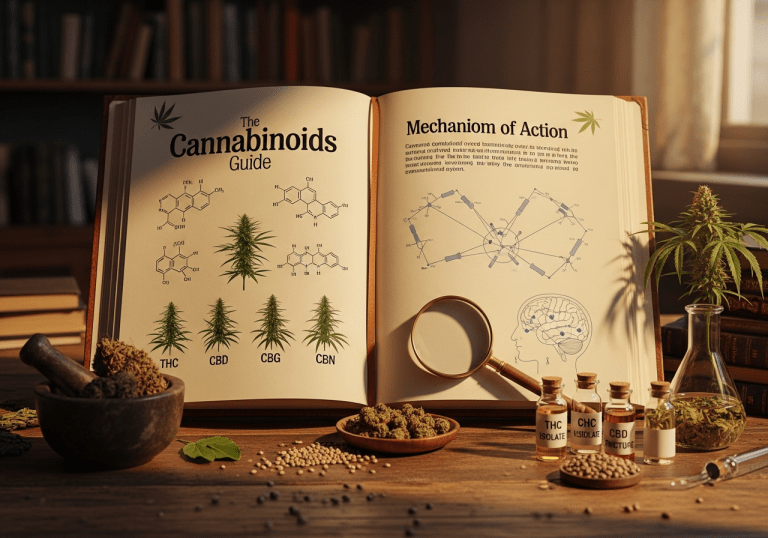
Cannabinoids
Learn what Cannabinoids mean for medical patients. Discover benefits, side effects, proper dosing, and which conditions Cannabinoids treat. -
Terpenes
Learn what terpenes mean for medical marijuana patients. Discover therapeutic effects, entourage benefits, major cannabis terpenes, and how they enhance treatment. -
CBD
Learn what CBD means for medical patients. Discover effects, benefits, proper dosing, and which conditions CBD treats. -
THC
Learn what THC is, how it works, and its key medical uses. Discover THC’s effects, health benefits, dosing tips, and safety guidelines.


