
What Happens at Your MMJ Card Appointment: How to Do a Telehealth Visit
by Nida Hammad · May 5, 2026
Learn how to do a telehealth visit for your MMJ card. Covers the appointment walkthrough, doctor questions, HIPAA rights, and what you receive after.
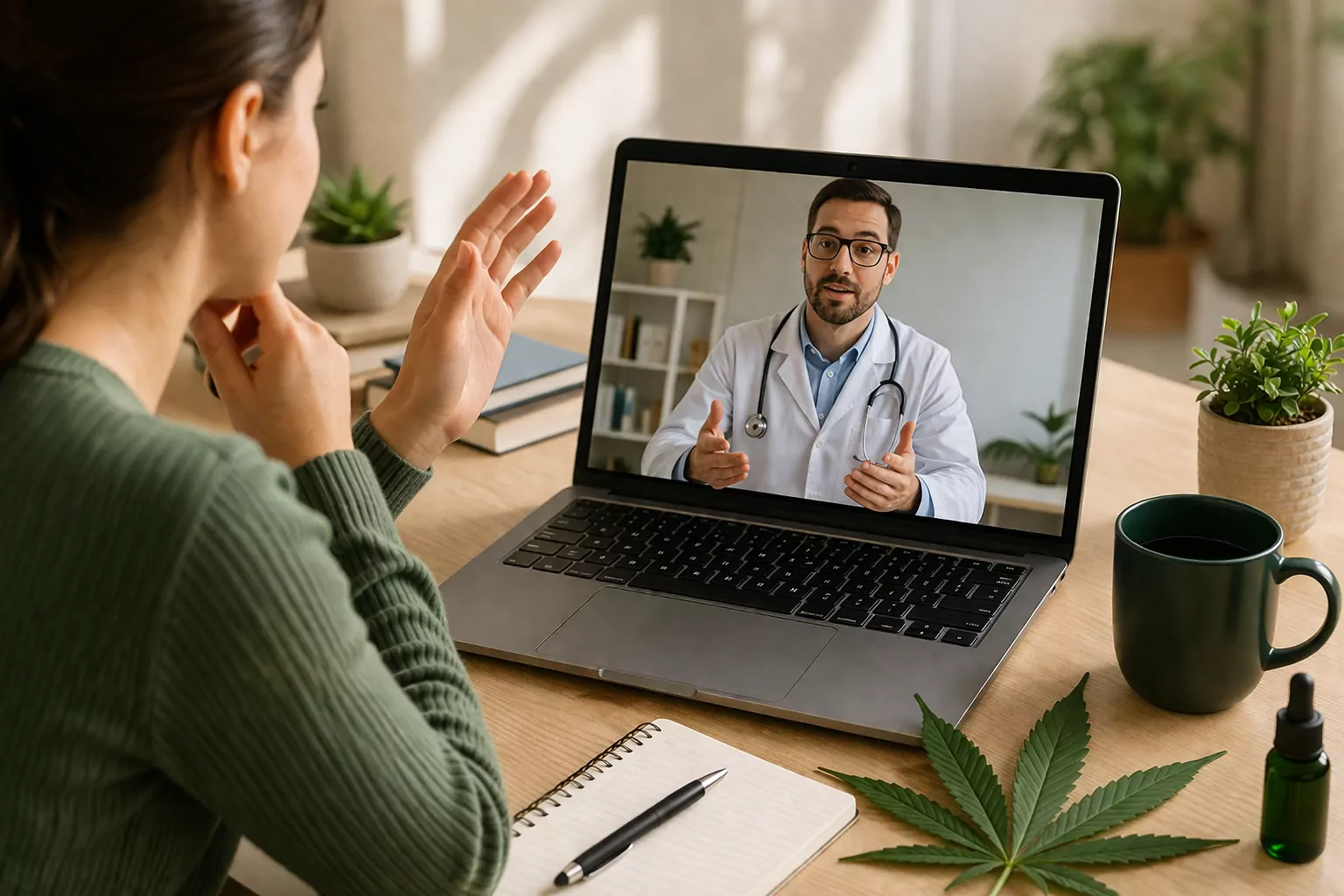
- LeafyDoc’s telehealth MMJ evaluation takes an average of 10 to 15 minutes and can be completed by phone or video from any smartphone, tablet, or computer with no app download required in most cases.
- Before your visit, you should complete the online intake questionnaire, gather any relevant medical records or prescription information, and find a quiet, private space with a stable internet connection.
- During the visit, the board-certified physician will review your medical history, ask about your qualifying condition, discuss your symptoms and previous treatments, and confirm whether you meet your state’s eligibility criteria for a medical marijuana card.
- If approved, your physician’s recommendation is delivered instantly by email and most patients can visit a licensed dispensary the same day, with the official state card typically arriving within 5 to 14 business days depending on your state.
- Medicare telehealth visits cover a broad range of services through December 31, 2027, but standard MMJ card evaluations through platforms like LeafyDoc are private-pay physician consultations, separate from Medicare billing, and are available to patients of any insurance status including Medicare beneficiaries.
If you have never done a virtual medical appointment before, knowing exactly how to do a telehealth visit for your medical marijuana card evaluation removes the uncertainty and helps you walk in prepared and confident. The entire process with LeafyDoc is designed to take 15 minutes or less, but understanding what happens at each stage, what the doctor will ask, what technology you need, and what you receive afterward makes the experience even smoother. This guide covers everything from how to do a telehealth visit on any device to what questions the physician will ask, how medicare telehealth visits relate to MMJ evaluations, and exactly what documents and certifications are issued the moment your visit is complete.
What a Telehealth MMJ Visit Actually Is
A telehealth MMJ card visit is a real medical appointment conducted through secure audio and video technology rather than in person. It follows the same structure as any physician evaluation: you speak directly with a licensed, board-certified doctor who reviews your medical history, assesses your qualifying condition, and makes a clinical determination about whether medical cannabis is appropriate for your situation under your state’s specific program requirements.
According to the U.S. Department of Health and Human Services telehealth information hub, telehealth includes medical or health services that you receive from a healthcare provider who is located somewhere else using audio and video communications technology. For a medical marijuana card evaluation, this technology connection replaces the need to travel to a clinic, sit in a waiting room, or schedule weeks in advance. LeafyDoc makes same-day and next-day appointments available seven days a week.
The visit is not a formality. The physician conducts a genuine clinical evaluation based on your health history and the qualifying conditions recognized under your state’s medical marijuana program. The 98 percent approval rate at LeafyDoc reflects the platform’s screening process, which helps ensure that patients who book a consultation have a qualifying condition before they pay anything. The money-back guarantee covers the rare cases where the physician determines a patient does not qualify.
How to Do a Telehealth Visit: Everything You Need Before Your Appointment
Technology Requirements
Knowing how to do a telehealth visit starts with confirming you have the right equipment. According to the HHS telehealth patient technology guide, for most telehealth visits you need a device that has video and sound, which can be a computer, smartphone, or tablet. For LeafyDoc specifically, the visit can be conducted by phone call or video on any device. No app download is required in most cases, and the platform sends you a link or calls you directly at your scheduled time.
The specific technology checklist before your LeafyDoc telehealth visit includes confirming you have a working microphone and camera if using video, ensuring your internet connection is stable enough for a video call, charging your device fully before the appointment, and testing your camera and microphone ahead of time if you are unfamiliar with your device’s settings. According to HHS, if something goes wrong before the visit starts, you can message your provider or call their office. LeafyDoc’s dedicated patient support team is available to troubleshoot any connection issues before your appointment begins.
Preparing Your Medical Information
According to the HHS guide on helping patients prepare for telehealth appointments, it is helpful to prepare a list of current medications or gather the actual prescription bottles, along with information about your medical history and current symptoms. For an MMJ evaluation specifically, the most useful preparation includes noting the name of your qualifying condition, how long you have had it, what treatments you have previously tried, and why you are interested in medical cannabis as part of your care.
You do not need to bring formal medical records to the LeafyDoc appointment, but having information about your diagnosis and treatment history ready ensures the consultation is as efficient and comprehensive as possible. The physician may ask which medications you are currently taking and whether you have discussed medical cannabis with your primary care doctor, though a referral is not required.
Finding Your Space
HHS recommends choosing a quiet place with good access to the internet where you are comfortable and can talk openly. For an MMJ evaluation, privacy matters both for your comfort in discussing your health condition and for HIPAA compliance. Your bathroom, bedroom, parked car, or any private indoor space works well. The goal is to ensure the physician can see and hear you clearly, and that you feel comfortable speaking openly about your symptoms and medical history.
The HHS direct-to-consumer telehealth patient preparation guide notes that patients should ensure they have a device with internet access, understand when it is appropriate to use telehealth versus in-person care, and have received instructions for testing their technology before the appointment. LeafyDoc sends a confirmation email with clear instructions after booking, so you are not left guessing about how to connect at the time of your visit.
The Four-Step LeafyDoc Process: A Complete Walkthrough
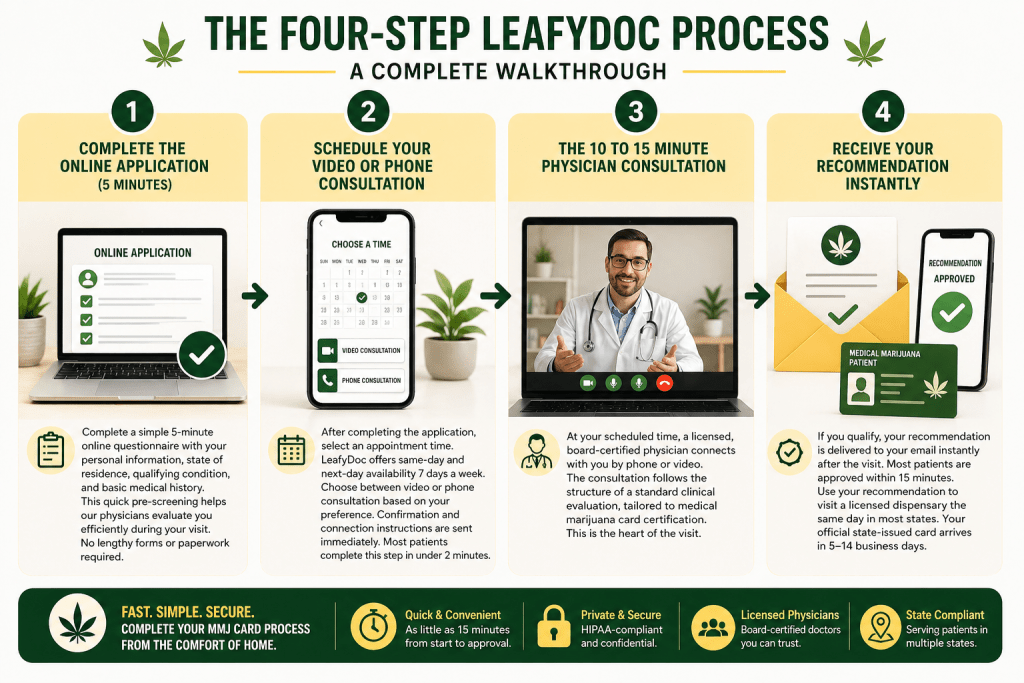
Step 1: Complete the Online Application (5 Minutes)
The process begins at leafydoc with a simple five-minute online questionnaire covering your personal information, state of residence, qualifying condition, and basic medical history. This step serves as the pre-screening that ensures the physician has the context they need to evaluate you efficiently during the visit. No lengthy forms or paperwork are required. The questionnaire is designed to mirror the intake process of a traditional physician visit, just without the clipboard.
Step 2: Schedule Your Video or Phone Consultation
After completing the application, you select an appointment time. LeafyDoc offers same-day and next-day availability seven days a week. You choose between a video or phone consultation based on your preference and device availability. The appointment is booked through the LeafyDoc scheduling portal and a confirmation with connection instructions is sent immediately. Most patients complete this step in under two minutes.
Step 3: The 10 to 15 Minute Physician Consultation
At your scheduled time, a licensed, board-certified physician connects with you by phone or video. The consultation follows the structure of any standard clinical evaluation, adapted for the specific context of a medical marijuana card certification. This step is covered in detail in the next section, as it is the heart of the visit that most patients want to understand before they book.
Step 4: Receive Your Recommendation Instantly
If the physician determines you qualify, your recommendation is delivered to your email immediately after the visit. LeafyDoc states that most patients are approved within 15 minutes of their consultation. With this recommendation in hand, you can visit a licensed dispensary the same day in states that accept physician recommendations as temporary patient documentation. Your official state-issued medical marijuana card typically arrives within five to fourteen business days depending on your state’s processing timeline.
What the Doctor Will Ask During Your MMJ Telehealth Visit
Understanding what questions to expect during the consultation removes any apprehension patients have about the visit. The LeafyDoc physician is conducting a genuine medical evaluation, but it is focused specifically on the criteria relevant to medical marijuana certification. Here is exactly what the physician covers during a standard 10 to 15 minute MMJ telehealth visit.
The physician begins by confirming your identity and reviewing the information submitted in the intake questionnaire. They will ask about your primary qualifying condition, including when it was diagnosed, by whom, and how it has affected your daily life. You should be prepared to describe your symptoms in specific terms: what triggers them, how often they occur, how severe they are, and how they limit your ability to work, sleep, or engage in normal daily activities.
The physician will ask about treatments you have previously tried for your condition. This includes prescription medications, over-the-counter remedies, physical therapy, injections, or other interventions. They are not looking for a specific number of prior treatments, but understanding your treatment history helps them contextualize why medical cannabis is an appropriate consideration for your situation. You do not need to have tried every possible conventional treatment first.
The physician will ask whether you currently use any medications and whether you are aware of any potential interactions. If you are on anticoagulants, central nervous system medications, or other drug categories that may interact with cannabis, the physician will note this as part of their clinical assessment. LeafyDoc maintains a dedicated cannabis drug interactions guide that patients can review before their appointment to be prepared for this part of the discussion.
Finally, the physician confirms that you meet your state’s qualifying criteria for a medical marijuana card and explains what the recommendation covers, including any possession limits or use guidelines relevant to your state. The entire exchange is judgment-free, professional, and confidential. As one verified LeafyDoc patient review notes, the doctor was incredibly professional but also warm and approachable, and it felt like a genuine conversation.
Ready to experience a LeafyDoc telehealth MMJ visit for yourself? Book your appointment today. Same-day availability seven days a week. 10 to 15 minute consultation with a board-certified physician. 98% approval rate. 100% money-back guarantee. No office visit required.
What You Receive After the Visit
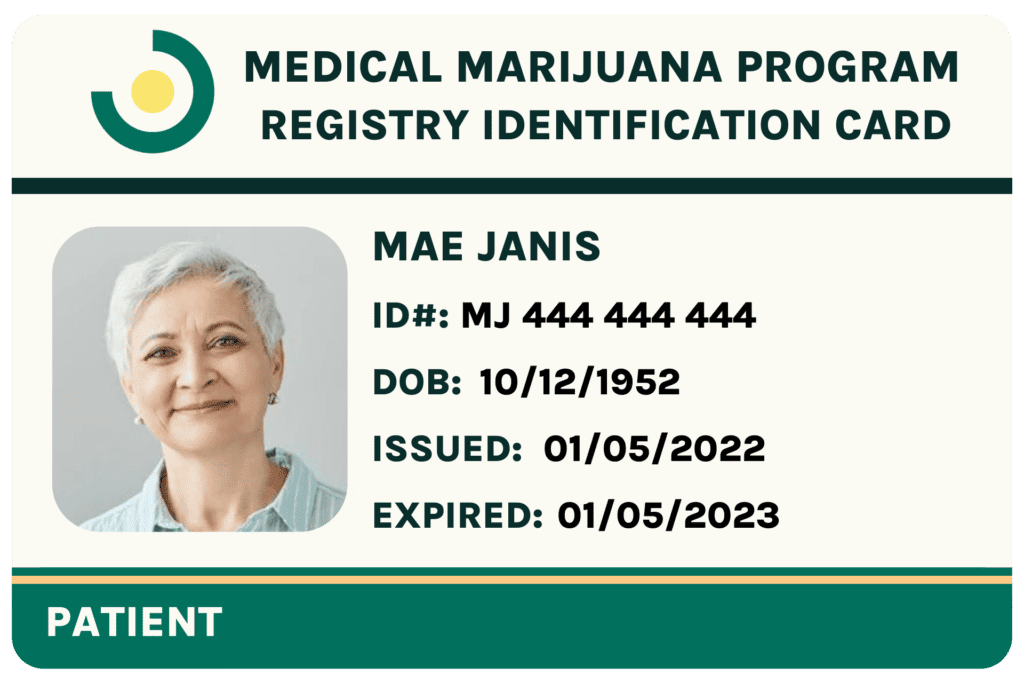
Immediately upon physician approval, LeafyDoc delivers your physician’s recommendation to your email. This document is your legal certification and serves as proof of physician approval for the purpose of visiting a licensed dispensary. In states that accept physician recommendations directly, such as California, you can walk into a licensed dispensary the same day your recommendation arrives.
For states with mandatory state registration requirements, LeafyDoc guides you through the next steps specific to your state. The recommendation letter is typically submitted along with your state application and proof of residency to your state’s medical marijuana program office. LeafyDoc’s dedicated support team assists patients with understanding these state-specific requirements following their consultation.
According to LeafyDoc’s FAQ section, the official state medical marijuana card typically arrives within five to fourteen business days depending on the state’s processing time. However, in many states patients can start visiting dispensaries on the same day as their consultation using the physician’s recommendation, which is legally accepted at licensed dispensaries while the physical card is being processed and mailed.
Medicare Telehealth Visits and Medical Marijuana: What to Know
One of the most common questions from older patients preparing for a LeafyDoc MMJ evaluation is whether medicare telehealth visits cover the cost of a medical marijuana card consultation. The answer requires understanding two separate systems.
According to Medicare’s official telehealth coverage information, through December 31, 2027, Medicare covers telehealth services that you can get from anywhere in the U.S., including your home. Examples of covered services include office visits, psychotherapy, and consultations. For most covered medicare telehealth visits, patients pay the same amount they would for in-person services.
However, standard medical marijuana card evaluations are not billed through Medicare. The CMS telehealth FAQ updated February 2026 and related CMS guidance confirm that Medicare coverage applies to services defined under the Medicare Physician Fee Schedule. Medical marijuana certifications are private-pay physician consultations, not Medicare-billed services, because cannabis remains a Schedule I controlled substance under federal law for purposes of Medicare coverage despite the April 2026 rescheduling action which addressed state-licensed medical cannabis businesses specifically.
This means that Medicare beneficiaries can use LeafyDoc for an MMJ evaluation, but the cost of the consultation is paid out of pocket rather than through Medicare. At LeafyDoc’s starting price of $29, the consultation is significantly more affordable than a standard Medicare co-pay for a specialist office visit, and the money-back guarantee ensures there is no financial risk if the physician determines you do not qualify.
The CMS list of telehealth services for calendar year 2026 is updated annually and covers hundreds of services payable under the Medicare Physician Fee Schedule when furnished via telehealth. Medicare beneficiaries who have other telehealth healthcare needs beyond the MMJ evaluation, such as management of chronic pain, PTSD, or anxiety, can access those services through their Medicare-covered providers using standard telehealth coverage.
Privacy, HIPAA, and Your Rights During a Telehealth MMJ Visit
Privacy is one of the most important concerns for patients considering a medical marijuana card evaluation, and LeafyDoc is fully HIPAA-compliant. According to the HHS patient telehealth rights guide, patients have the right to know what information their provider can share and what they cannot. HIPAA protections apply to telehealth consultations exactly as they do to in-person appointments.
LeafyDoc uses bank-level encryption to protect all personal and medical information submitted through the platform. The platform never shares patient data with third parties. The consultation itself is completely confidential, and the physician is bound by the same privacy obligations that apply to any licensed healthcare provider. Your medical marijuana card status is a protected health record that cannot be disclosed without your consent.
The HHS telehealth guidance also notes that patients should only share what makes them comfortable, and that they have the right to ask for a summary or notes after the visit. Patients can ask the LeafyDoc physician to clarify anything discussed during the consultation, and the recommendation letter delivered by email serves as the official record of the physician’s determination.
Common Concerns Patients Have Before Their First Telehealth MMJ Visit
I am not tech-savvy. Can I still do this?
Yes. LeafyDoc is designed for patients of all technology comfort levels. The platform offers both phone and video options, and a phone call requires no technology beyond making a standard call. The HHS guide on preparing older adults for telehealth confirms that audio-only telehealth options exist specifically for patients who are not comfortable with video technology. LeafyDoc’s patient support team is available before the appointment to walk you through any technology questions.
What if I lose connection during the visit?
According to the HHS telehealth troubleshooting guide, if you experience connection issues during a telehealth visit, the recommended steps are to check your internet connection, restart your browser or device if using video, and switch to a phone call if video is unavailable. LeafyDoc supports both options, so if a video call drops, the physician can complete the consultation by phone. Patients are encouraged to sign in early so any technical issues can be resolved before the scheduled start time.
Will the doctor judge me for wanting a medical marijuana card?
No. LeafyDoc’s physicians are specifically experienced in medical cannabis evaluations and conduct every consultation in a judgment-free, professional environment. The platform states that all doctor consultations are completely confidential, just like visiting a doctor’s office in person. Verified patient reviews consistently describe the physicians as warm, compassionate, and genuinely helpful. The evaluation is a standard medical consultation, not an interview or interrogation.
How to Do a Telehealth Visit on Any Device With LeafyDoc
Knowing how to do a telehealth visit on your specific device ensures you are fully prepared before your appointment. Here is a quick guide for each type of device.
Smartphone: LeafyDoc sends a confirmation with connection details by email and text. On the day of your appointment, open the link provided or answer the incoming call from the LeafyDoc physician. Ensure your phone volume is turned up, your camera is unobstructed if using video, and you have a stable cellular or Wi-Fi connection. Most patients find their smartphone the most convenient device for the visit.
Tablet: Tablets offer the best screen size for a video call and are easy to prop up at eye level during the consultation. Open the link provided in your confirmation email on your tablet’s browser, ensure your front camera is active, and position the tablet so the physician can see your full face without glare from a window behind you.
Computer: Desktop and laptop computers with built-in cameras and microphones work well for LeafyDoc telehealth visits. Open the appointment link in your browser, test your camera and microphone in advance using your computer’s settings, and position your camera at eye level. Avoid sitting with a bright window directly behind you as this can make it difficult for the physician to see you clearly.
The HHS telehealth technology guide also notes that if you do not have access to the internet, asking your provider if a phone call works for the visit is always an option. LeafyDoc accommodates audio-only consultations for patients who prefer or require this format.
Ready to book your MMJ card telehealth visit with LeafyDoc? Get started at LeafyDoc today. Starting at $29. Same-day availability. 10 to 15 minute visit. 98% approval rate. 100,000+ patients helped nationwide. Approved or your money back.
Frequently Asked Questions
How long does the LeafyDoc MMJ telehealth visit take?
The physician consultation itself takes an average of 10 to 15 minutes. This includes the identity verification, medical history review, qualifying condition discussion, and the physician’s determination. The total time from completing the online application to receiving your recommendation by email is typically under 30 minutes when you select a same-day appointment. Most patients are approved within 15 minutes of their consultation, according to LeafyDoc.
What do I need to have ready before the telehealth visit?
Before your LeafyDoc MMJ visit, have the name of your qualifying condition and a brief description of your symptoms ready. Gather information about any medications you are currently taking and any previous treatments you have tried for your condition. Make sure your device is charged, your internet connection is stable, and you are in a private, quiet space. You do not need to bring formal medical records, though having basic health information on hand makes the consultation more efficient.
Can Medicare patients use LeafyDoc for an MMJ evaluation?
Yes. Medicare beneficiaries can use LeafyDoc for an MMJ card evaluation. However, the consultation is a private-pay service and is not billed through Medicare. Standard Medicare telehealth visits cover a wide range of physician services through December 31, 2027, but medical marijuana card certifications are private consultations not billed under the Medicare Physician Fee Schedule. LeafyDoc’s affordable starting price and money-back guarantee make the consultation accessible to patients of all insurance statuses including Medicare beneficiaries.
Is the telehealth MMJ visit really confidential?
Yes, fully. LeafyDoc is HIPAA-compliant and uses bank-level encryption to protect all personal and medical information. The consultation is completely confidential, just like visiting a doctor’s office in person. Your medical marijuana card status is a protected health record that cannot be disclosed without your consent. According to HHS telehealth guidance, patients have the right to know what information their provider can and cannot share, and all of the same HIPAA protections that apply to in-person medical visits apply to telehealth consultations.
What happens if I am not approved during the visit?
LeafyDoc offers a 100 percent money-back guarantee. If the physician determines that you do not qualify for a medical marijuana card under your state’s program criteria, you receive a full refund with no questions asked. The physician’s determination is based on your state’s specific qualifying condition list and your individual medical history. With a 98 percent approval rate, the vast majority of patients who complete the LeafyDoc process with a qualifying condition receive their recommendation. Patients who are unsure whether their condition qualifies can check the qualifying conditions list on the LeafyDoc website before booking.
Can I do the telehealth visit without a video camera?
Yes. LeafyDoc offers both video and phone consultation options. If your device does not have a working camera, or if you simply prefer a phone call, the physician can conduct the full evaluation by phone. According to HHS telehealth guidance, audio-only telehealth options exist specifically for patients who are not comfortable with or do not have access to video technology. Simply select the phone option when booking your appointment, and the physician will call you at your scheduled time.
Last Updated: May 25, 2026
Get Approved for Your Medical Marijuana Card in Minutes!

Get Your Medical Card
Connect with a licensed physician online in minutes
- U.S. Department of Health and Human Services. (n.d.). Telehealth information hub. https://telehealth.hhs.gov/
- U.S. Department of Health and Human Services. (n.d.). What should I know before my telehealth visit? https://telehealth.hhs.gov/patients/what-should-i-know-before-my-telehealth-visit
- U.S. Department of Health and Human Services. (n.d.). What do I need to use telehealth? https://telehealth.hhs.gov/patients/what-do-i-need-use-telehealth
- U.S. Department of Health and Human Services. (n.d.). Helping patients prepare for their telehealth appointment. https://telehealth.hhs.gov/providers/preparing-patients-for-telehealth/helping-patients-prepare-for-their-appointment
- U.S. Department of Health and Human Services. (n.d.). Preparing patients for a direct-to-consumer telehealth visit. https://telehealth.hhs.gov/providers/best-practice-guides/direct-to-consumer/preparing-patients-telehealth-visit
- U.S. Department of Health and Human Services. (n.d.). Getting patients set up with telehealth technology. https://telehealth.hhs.gov/providers/preparing-patients-for-telehealth/getting-patients-set-up-with-new-technology
- U.S. Department of Health and Human Services. (2025). Preparing older adults for telehealth. https://telehealth.hhs.gov/providers/best-practice-guides/telehealth-older-adults/preparing-older-adults-telehealth
- U.S. Department of Health and Human Services. (2025). Preparing rural patients for telehealth. https://telehealth.hhs.gov/providers/best-practice-guides/telehealth-for-rural-areas/preparing-rural-patients-for-telehealth
- U.S. Department of Health and Human Services. (2026). Planning your telehealth workflow. https://telehealth.hhs.gov/providers/planning-your-telehealth-workflow
- Medicare.gov. (2026). Telehealth coverage. https://www.medicare.gov/coverage/telehealth
- Centers for Medicare and Medicaid Services. (2026, February). Telehealth FAQ updated 02/26/2026. https://www.cms.gov/files/document/telehealth-faq-updated-02-26-2026.pdf
- Centers for Medicare and Medicaid Services. (2026). List of telehealth services for calendar year 2026. https://www.cms.gov/medicare/coverage/telehealth/list-services
- Centers for Medicare and Medicaid Services. (2026). Telehealth coverage and services. https://www.cms.gov/medicare/coverage/telehealthAmerican Medical Association. (2023). AMA telehealth quick guide. https://www.ama-assn.org/practice-management/digital-health/ama-telehealth-quick-guide
Like This Article?
Share with your friends
Table of Contents
Keep Reading
-
Medical Marijuana VS Antidepressants
Uncover the truth about Zoloft and marijuana: Which is more effective for treating mental health conditions? Explore the surprising benefits of medical marijuana and make an informed decision for your well-being. Click here to discover the answers now!
-
How Much Is A Zip Of Weed?
Find out the truth about the cost of a zip of weed. Get ready to be amazed by the value and quality of your favorite green!
-
Stay Updated On Events At Medical Marijuana Dispensaries In PA
Stay up-to-date with the latest events at medical marijuana dispensaries in PA. Don’t miss out on exciting happenings – be the first to know! Click now and stay informed about PA dispensary events.