Medical Marijuana and Chronic Back Pain: What the Research Actually Says
by Nida Hammad · May 12, 2026
Discover research on medical marijuana and chronic back pain. Covers clinical trials, endocannabinoid science, THC vs CBD, delivery methods, and opioid reduction data.

- A landmark 2025 phase 3 randomized controlled trial published in Nature Medicine found that a full-spectrum cannabis extract significantly reduced chronic low back pain compared to placebo over 12 weeks, representing the highest level of clinical evidence yet produced for medical marijuana and chronic back pain.
- A 2022 study from the Rothman Orthopaedic Institute found that medical cannabis use in chronic back pain patients was associated with a statistically significant reduction in opioid prescriptions, with patients taking more than 15 morphine milligram equivalents per day showing the most pronounced reduction.
- The Agency for Healthcare Research and Quality’s 2024 Living Systematic Review concluded that cannabinoids with higher THC ratios were associated with improvements in pain intensity and physical functioning compared to placebo in chronic pain patients.
- Approximately 39 percent of U.S. adults reported experiencing back pain in the past three months according to CDC data, with 28 percent of U.S. adults reporting chronic low back pain specifically, making it one of the most common qualifying conditions for a medical marijuana card.
- Degenerative disc disease, spinal stenosis, radiculopathy, neuropathy, and chronic neuropathic non-cancer pain are among the most commonly certified back pain conditions across all active state medical marijuana programs.
If you have chronic back pain, you have probably seen a lot of confusing information about whether medical marijuana can actually help. The good news is the science is now much clearer. Many studies and research trials show what cannabis does and does not do for people with back pain. This article covers what the research says, how cannabis works in the body, and what types of back problems can help you get a medical marijuana card.
How Big Is the Chronic Back Pain Problem?
Chronic back pain is very common. It is the top cause of disability in the world and one of the most expensive health problems in the U.S. According to the CDC National Health Interview Survey, about 24 out of every 100 U.S. adults had chronic pain in 2023. Back pain was the most common type. Earlier CDC data showed that about 39 out of 100 adults had back pain in the past three months.
According to research from the National Center for Biotechnology Information, up to 8 out of 10 people will have low back pain at some point in their lives. Right now, about 26 out of 100 U.S. adults have active low back pain. Back pain costs the U.S. about $86 billion in health care each year and causes around 186.7 million missed workdays.
Many patients do not get enough relief from current treatments. NSAIDs can hurt your stomach and heart if you take them for a long time. Opioids can cause addiction and bad side effects. Surgery only helps specific types of back problems. Physical therapy helps some people but often does not fully stop nerve pain. This is why research on medical marijuana and back pain has grown so fast.
How Cannabis Works on Back Pain
Your body has a built-in pain control system called the endocannabinoid system. It has receptors called CB1 and CB2 found in your spinal cord, nerves, immune cells, and connective tissue. Your body makes its own natural chemicals, like anandamide and 2-AG, that attach to these receptors and help manage pain, swelling, and healing.
For back pain, this system can help in more than one way. Pain from physical damage, like a slipped disc, uses CB2 receptors to lower swelling signals. Nerve pain from pinched nerves, like in radiculopathy or spinal stenosis, uses CB1 receptors in the spinal cord to block pain signals going to the brain. Most chronic back pain involves both types of pain. That means the system has two ways to help.
THC is the part of cannabis that causes a high. It attaches directly to both CB1 and CB2 receptors. CBD is the part that does not make you high. It works differently. It slows the breakdown of your body’s own pain-relievers, activates pain and swelling receptors called TRPV1, and lowers inflammatory chemicals. The best research right now shows that products with THC work better than CBD alone for back pain.
What the Research Shows
2025 Phase 3 Clinical Trial: Full-Spectrum Cannabis Extract
The best clinical study so far was published in Nature Medicine in 2025. According to the study by Karst et al. published in NCBI, 820 people with chronic low back pain were split into two groups. One group took a full-spectrum cannabis extract called VER-01. The other took a fake pill. This is the biggest placebo-controlled trial of cannabis for back pain ever done.
The cannabis extract had set amounts of cannabinoids, terpenes, flavonoids, and other plant compounds so researchers could give the same dose every time. People who took the real treatment had much less pain than the placebo group over 12 weeks. This study is a big step forward in showing that cannabis works for chronic low back pain.
2024 Edible Cannabis Study: Pain, Mood, and Daily Life
A 2024 study in Frontiers in Pharmacology looked at real patients using edible cannabis for chronic low back pain. According to research by Melendez et al. published in PMC, 87 to 94 out of every 100 medical cannabis patients said they use it specifically for pain. The study also found that medical cannabis use was linked to a 64 percent drop in opioid prescriptions among regular users with chronic pain.
Edibles take longer to work, usually two to four hours, but the effects last four to eight hours. This makes them a good match for chronic back pain, which needs steady, long-term relief instead of a quick fix.
Rothman Orthopaedic Institute: Less Need for Opioids
One of the most important findings comes from the Rothman Orthopaedic Institute. According to the study by Greis et al. published in PMC, which followed 186 patients with diagnoses like radiculopathy, disc problems, degenerative disc disease, and neuropathy, medical cannabis use was tied to a big drop in opioid prescriptions.
Patients who were taking more than 15 morphine milligram equivalents per day before starting cannabis had the biggest drop in opioid use. This matters a lot because opioid addiction is a major problem among people with chronic back pain.
2025 Long-Term Study: Does It Keep Working?
A 2025 study from the Rothman Orthopaedic Institute followed 129 certified patients who used medical cannabis for at least one year. According to the research by Khak et al. published in Cureus, 77.5 out of 100 patients used cannabis every day or nearly every day. They reported less pain, better sleep, and improved ability to do daily tasks.
Earlier cannabis studies only followed people for a few weeks. By following people for a full year, this study shows that cannabis keeps working over time.
AHRQ 2024 Review: The Biggest Evidence Summary
The Agency for Healthcare Research and Quality published a large review of cannabis for chronic pain in 2024. According to the AHRQ 2024 systematic review by Chou et al., which looked at studies from MEDLINE, PsycINFO, Embase, the Cochrane Library, and SCOPUS through June 30, 2024, CBD-only products did not lower pain in four separate clinical trials. But products with higher THC levels were linked to less pain and better physical function compared to a placebo.
This confirms that THC is the key ingredient for pain relief. Patients and doctors should keep this in mind when picking a cannabis product for back pain.
THC vs. CBD: What Works Better for Back Pain?
This is one of the most useful things to know when choosing a product.
THC products have the strongest proof for pain relief. The 2025 trial used a full-spectrum extract with THC. The AHRQ review found that higher-THC products worked better than CBD-only ones. THC attaches directly to receptors in the spinal cord and nervous system, which helps block both swelling pain and nerve pain.
CBD-only products do not have the same proof. The AHRQ review clearly found that pure oral CBD alone did not lower pain in multiple trials. CBD may help with swelling and may reduce some of THC’s psychoactive effects when used together. But CBD by itself is not well-supported as the main treatment for chronic back pain.
Full-spectrum and broad-spectrum products contain THC, CBD, terpenes, and other plant compounds. Researchers think these compounds work better together than any single one alone. This is called the entourage effect. The 2025 trial used this type of extract and got positive results, which supports using whole-plant products over pure CBD.
How to Take Medical Marijuana for Back Pain
Inhaled Cannabis
Smoking or vaping cannabis works the fastest, usually in minutes. According to an observational study by Robinson et al. published in PMC, both inhaled and sublingual forms lowered back pain scores. But inhaled products only last two to four hours, so they are not ideal as the only method for daily chronic pain. They work best for sudden pain flares.
Sublingual and Tincture
These are liquid drops placed under the tongue. They start working in 15 to 45 minutes and last four to six hours. The Robinson et al. study found sublingual cannabis worked just as well as inhaled for chronic back pain. It also has no respiratory risks. For patients who do not want to smoke or vape, tinctures have strong evidence for back pain relief.
Edibles and Capsules
These take longer to kick in, usually 30 minutes to two hours, but last four to eight hours. The 2024 Frontiers in Pharmacology study looked at edibles in chronic low back pain patients and found they helped lower pain and improve mood. For patients with daily pain, edibles are often used with faster-acting products to give both steady coverage and relief from sudden flares.
Medical Marijuana and Opioid Use: A Major Public Health Issue
One of the biggest takeaways from this research is that cannabis may help people use fewer opioids. Chronic low back pain is one of the main reasons opioids are prescribed in the U.S., and opioid addiction among back pain patients is a serious problem. The Rothman Institute study found big drops in opioid prescriptions after patients started medical cannabis, especially those who were on high doses before. A 2024 study confirmed a 64 percent drop in prescribed opioid dosage among medical cannabis users with chronic pain.
State-level data supports this too. In states with medical marijuana programs, researchers have found drops in opioid prescriptions, overdose deaths, and opioid-related hospital visits after the programs launched.
If you are managing back pain with opioids and are worried about dependence or side effects, this research gives you a solid reason to talk to your doctor about medical cannabis as a possible option.
What Back Conditions Qualify for a Medical Marijuana Card?
Not every back condition automatically qualifies, but the most common causes of chronic back pain are widely recognized in state programs. According to LeafyRX’s complete qualifying conditions guide, qualifying conditions vary by state but commonly include chronic pain, neuropathic pain, and musculoskeletal disorders.
The back conditions most often certified include:
- Degenerative disc disease — listed in states like Illinois, Michigan, and Pennsylvania
- Radiculopathy and disc herniation — usually qualify under neuropathic or chronic pain criteria
- Spinal stenosis — recognized for causing severe chronic pain and nerve symptoms
- Spondylolisthesis and facet joint arthritis — cause mechanical pain that meets chronic pain criteria in most states
- Post-surgical back pain — recognized under intractable or chronic pain categories
In states with open doctor discretion, like New York, California, and Washington D.C., any back condition a doctor thinks would benefit from cannabis can be certified. In states with fixed lists, chronic pain and neuropathic pain categories cover most back pain diagnoses.
If chronic back pain is affecting your daily life and you want to try medical marijuana, LeafyDoc makes it easy to find out if you qualify. Same-day certifications, licensed doctors in all 50 states, HIPAA-compliant online visits, and a 100% money-back guarantee if not approved. Start today.
Frequently Asked Questions
Does medical marijuana actually help with chronic back pain?
Yes, the research shows it can help, especially products with THC. The strongest proof comes from a 2025 phase 3 trial published in Nature Medicine, which found big pain reductions with a full-spectrum cannabis extract over 12 weeks. The 2024 AHRQ review also found that higher-THC products were tied to better pain outcomes. CBD-only products have weaker proof for direct pain relief.
Is medical marijuana safe for chronic back pain patients?
Medical cannabis has a better safety record than opioids for most chronic pain patients. Common side effects are dizziness, dry mouth, short-term memory issues at high doses, and tiredness, especially with high-THC products. These effects depend on the dose and can be managed with the right product. A 2025 study that followed patients for over one year found medical cannabis was well tolerated. People with heart conditions, a history of psychosis, or who are pregnant should talk to a doctor before starting.
Which type of cannabis works best for chronic back pain?
Full-spectrum and broad-spectrum products with THC alongside CBD and other plant compounds have the strongest evidence for chronic pain. The 2025 trial and the AHRQ review both found THC-containing products work better than CBD-only ones. For daily pain, use sublingual tinctures or edibles. For sudden pain spikes, use inhaled products. A LeafyRX physician can help you choose based on your condition and your state’s available products.
Can I get a medical marijuana card for chronic back pain?
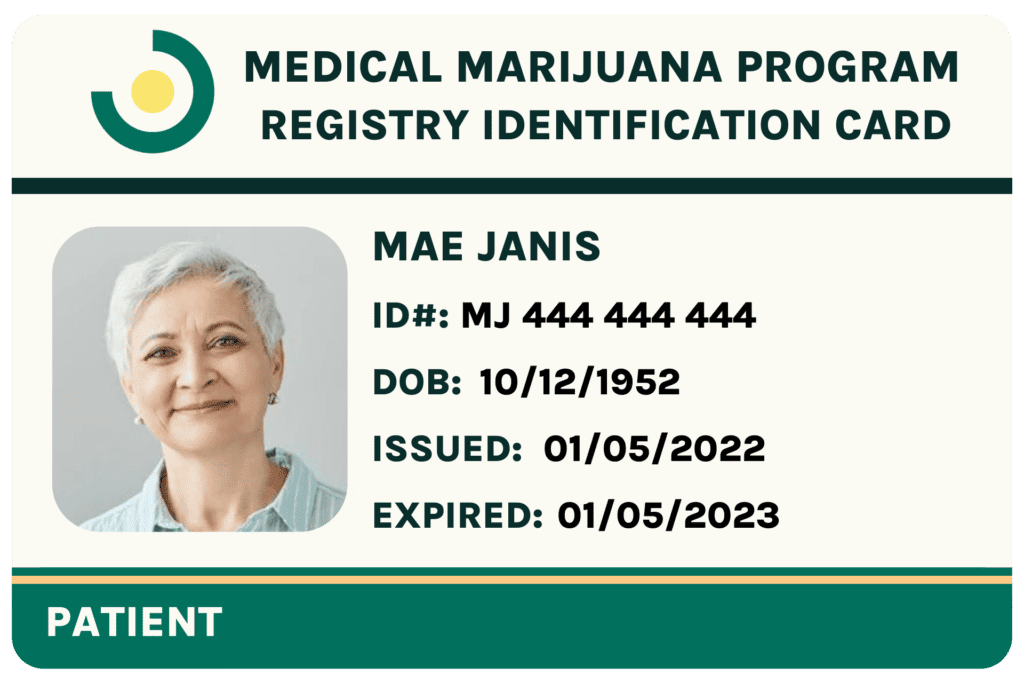
In most states with active programs, yes. Chronic pain is one of the most widely recognized qualifying conditions. Back diagnoses like degenerative disc disease, radiculopathy, spinal stenosis, and chronic nerve pain are among the most commonly certified conditions in the U.S. States with open doctor discretion, like New York, California, and Washington D.C., allow certification for any back condition a doctor thinks would benefit from cannabis.
Will medical marijuana reduce my need for opioids for back pain?
The research suggests yes for many patients. The Rothman Orthopaedic Institute study found big drops in opioid prescriptions after patients started medical cannabis, with the biggest drops in those on high daily opioid doses. A 2024 cannabis study found a 64 percent drop in prescribed opioid dosage among medical cannabis users with chronic pain.
What is the difference between medical marijuana and CBD for chronic back pain?
Medical marijuana from licensed dispensaries contains THC alongside CBD and other plant compounds. THC is the ingredient most strongly linked to pain relief in the research. CBD-only products, available without a card, do not have evidence for clinical pain reduction in trials. The AHRQ 2024 review clearly found that pure oral CBD alone was not linked to lower pain intensity. A medical marijuana card gives you access to products with THC, which the research most strongly supports for back pain.
Last Updated: May 25, 2026
Get Approved for Your Medical Marijuana Card in Minutes!

Get Your Medical Card
Connect with a licensed physician online in minutes
- Karst, M., Meissner, W., Sator, S., Kessler, J., Schoder, V., & Hauser, W. (2025). Full-spectrum extract from Cannabis sativa DKJ127 for chronic low back pain: A phase 3 randomized placebo-controlled trial. Nature Medicine. https://www.ncbi.nlm.nih.gov/pmc/articles/PMC12705446/
- Melendez, S. N., Ortiz Torres, M., Lisano, J. K., Giordano, G., Skrzynski, C., Hutchison, K. E., Bryan, A. D., & Bidwell, L. C. (2024). Edible cannabis for chronic low back pain: Associations with pain, mood, and intoxication. Frontiers in Pharmacology. https://www.ncbi.nlm.nih.gov/pmc/articles/PMC11458467/
- Greis, A., Renslo, B., Wilson-Poe, A. R., Liu, C., Radakrishnan, A., & Ilyas, A. M. (2022). Medical cannabis use reduces opioid prescriptions in patients with chronic back pain. Cureus. https://www.ncbi.nlm.nih.gov/pmc/articles/PMC8860705/
- Khak, M., Ramtin, S., Chung, J., Ilyas, A. M., & Greis, A. (2025). Patterns, efficacy, and cognitive effects of medical cannabis use in chronic musculoskeletal pain patients. Cureus. https://www.ncbi.nlm.nih.gov/pmc/articles/PMC12164955/
- Chou, R., Ahmed, A. Y., Dana, T., Morasco, B. J., Bougatsos, C., Fu, R., Williams, L., & Ivlev, I. (2024). Living systematic review on cannabis and other plant-based treatments for chronic pain: 2024 update. Agency for Healthcare Research and Quality. https://pubmed.ncbi.nlm.nih.gov/40238954/
- Robinson, D., Ritter, S., & Yassin, M. (2022). Comparing sublingual and inhaled cannabis therapies for low back pain: An observational open-label study. Rambam Maimonides Medical Journal. https://www.ncbi.nlm.nih.gov/pmc/articles/PMC9622393/
- Centers for Disease Control and Prevention, National Center for Health Statistics. (2024). Chronic pain and high-impact chronic pain in U.S. adults, 2023 (Data Brief No. 518). https://www.cdc.gov/nchs/products/databriefs/db518.htm
- Winters, R., Bhatt, N., Bhatt, D., & Brown, D. (2023). Back pain in the United States. In Variation in the care of surgical conditions: Spinal stenosis. National Center for Biotechnology Information. https://www.ncbi.nlm.nih.gov/books/NBK586768/
- Pitcher, M. H., Von Korff, M., Bushnell, M. C., & Porter, L. (2019). Prevalence and profile of high-impact chronic pain among adults in the United States. Chronic Pain Among Adults, United States, 2019-2021. NCBI PMC. https://www.ncbi.nlm.nih.gov/pmc/articles/PMC10121254/
- National Institutes of Health, National Library of Medicine. (2024). Trial of dronabinol and vaporized cannabis in chronic low back pain. ClinicalTrials.gov. https://clinicaltrials.gov/study/NCT02460692
Like This Article?
Share with your friends
Table of Contents
Keep Reading
-
How Long Does Weed Stay In Your Saliva
Unlock the truth about how long weed stays in your saliva and get all your questions answered. Click now for surprising insights and take control of your cannabis journey today!
-
Learn The Art Of Cooking With Cannabis: Cannabis Cooking Classes
Unleash your inner chef with our Cannabis Cooking Classes and master the art of creating delectable dishes infused with cannabis. Elevate your culinary skills today and join us to unlock the secrets of cannabis-infused cuisine! Start cooking now!
-
How Much Does Medical Marijuana Cost?
Discover the shocking truth about medical marijuana prices and find out how much does medical marijuana really cost. Click here to uncover the surprising costs and make an informed decision about this revolutionary treatment.